
Does God Create “evil”?
One of the most misunderstood and frequently misquoted verses in the Bible is Isaiah 45:7 (KJV), which says:
“I form the light, and create darkness: I make peace, and create evil: I the Lord do all these things.”
Many skeptics point to this verse and ask, “Does God create evil?” Others, even among believers, are confused about how a holy God could be said to have anything to do with evil. Does this mean God causes moral evil, or is there another explanation?
To answer this clearly, we must define the word “evil,” understand the context of Isaiah 45, and compare scripture with scripture.
1. What Does “Evil” Mean in Isaiah 45:7?
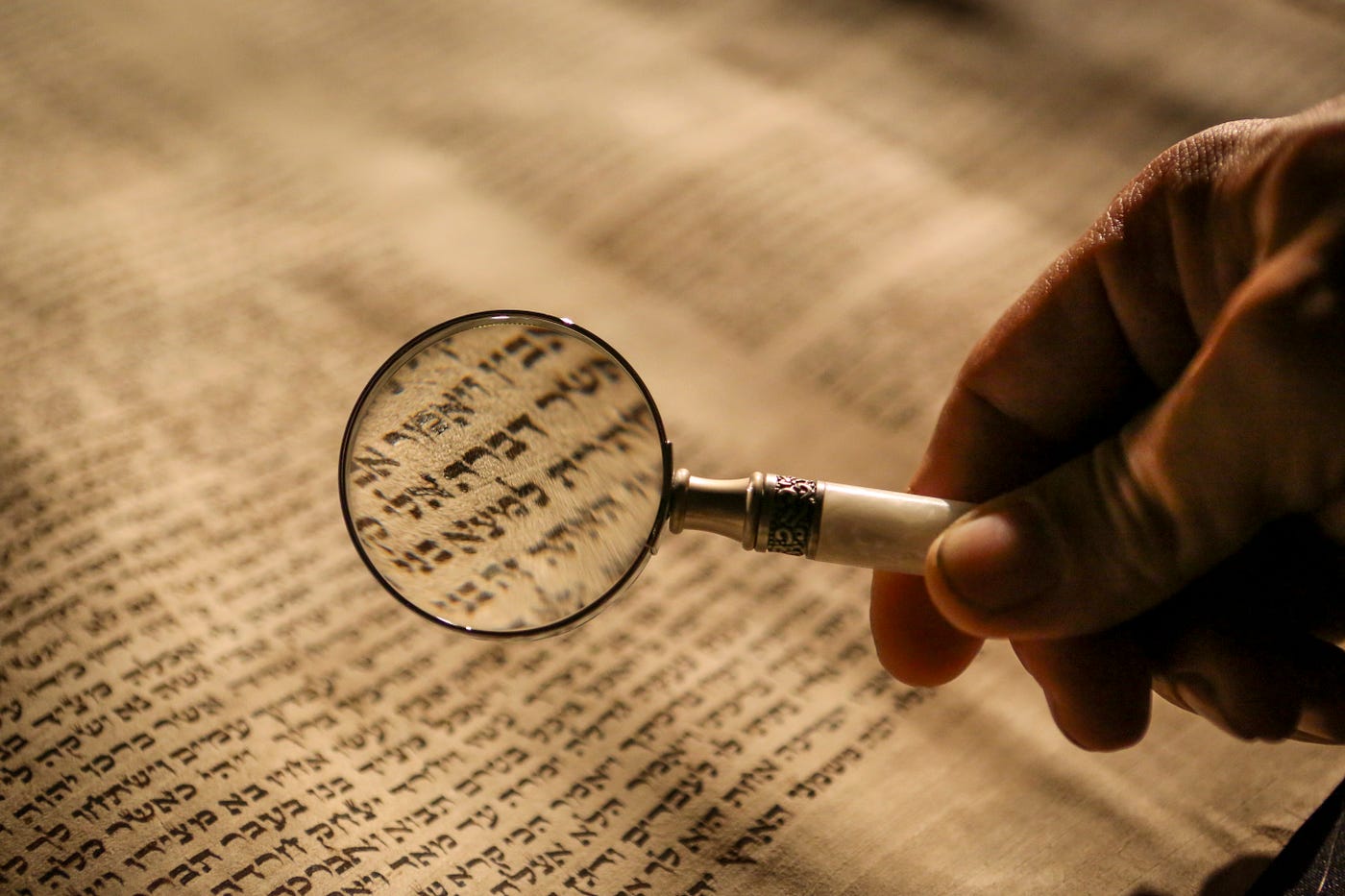
The word “evil” in the King James Version of Isaiah 45:7 comes from the Hebrew word “ra” (רַע). This word is flexible in meaning and can refer to:
-
Moral evil (sin, wickedness)
-
Calamity (disaster, judgment, adversity)
-
Trouble (affliction, hardship)
The context of Isaiah 45 shows that God is not talking about moral evil, but about judgment and calamity, things like war, punishment, and destruction that He brings upon nations. In other Bible versions, such as the ESV or NASB, the word is translated as “calamity” or “disaster,” which helps modern readers avoid confusion.
Isaiah 45:7 (ESV):
“I form light and create darkness, I make well-being and create calamity, I am the Lord, who does all these things.”
So, the “evil” created by God in Isaiah 45:7 refers to calamitous events as part of His righteous judgment, not the moral evil or sin that God hates (Habakkuk 1:13).
2. God Is Not the Author of Sin
Throughout the Bible, God is described as holy, righteous, and just. He cannot sin, tempt anyone to sin, or be associated with moral wrongdoing.
“Let no man say when he is tempted, I am tempted of God: for God cannot be tempted with evil, neither tempteth he any man.”
— James 1:13 (KJV)
“God is light, and in him is no darkness at all.”
— 1 John 1:5 (KJV)
God does not create moral evil, nor is He responsible for people’s sinful choices. Sin originates from man's own heart (Mark 7:21–23) and Satan's deception (Genesis 3). While God may allow evil actions for His purposes (Genesis 50:20), He is not their author.
3. God Uses Calamity for His Purposes
God’s creation of “evil” in Isaiah 45:7 refers to His sovereign control over natural and national disasters, which are instruments of justice, correction, or providence.
For example:
-
God sent the flood in Genesis 6–8 as judgment.
-
God raised Nebuchadnezzar as His servant to punish Israel (Jeremiah 25:9).
-
God sent plagues on Egypt (Exodus 7–12).
These were not moral evils, but acts of righteous judgment. As the Creator and Sustainer of all, God has the authority to bring calamity when He chooses.
4. A Look at Other Verses Using “Evil”
The word “evil” often simply means “trouble” in older English. Here are examples where “evil” does not mean sin:
-
Amos 3:6 – “Shall there be evil in a city, and the Lord hath not done it?” (KJV)
This refers to disaster or judgment, not sin. -
Jonah 3:10 – “God saw their works... and God repented of the evil, that he had said that he would do unto them.”
Again, “evil” here means impending destruction.
These show that “evil” in Isaiah 45:7 is consistent with the biblical usage for adversity or judgment, not wickedness.
5. The Problem of Evil and God’s Sovereignty
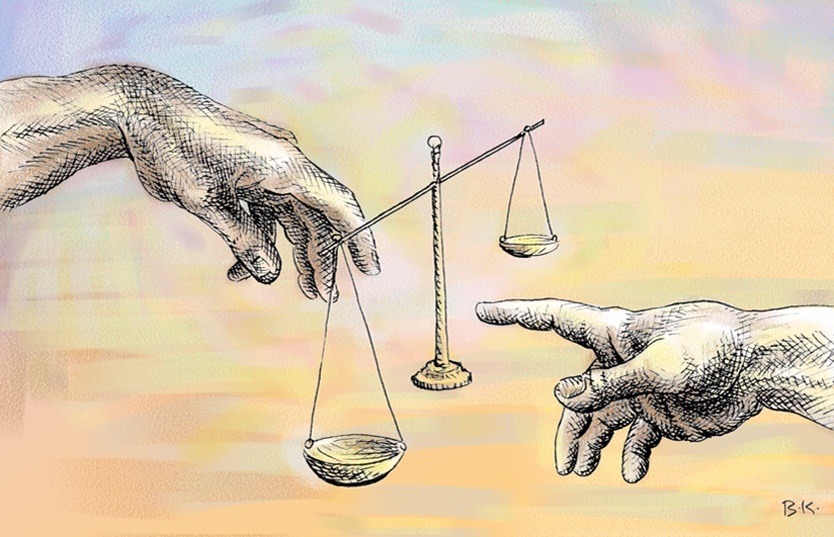
A deeper theological question lies beneath this discussion: If God is sovereign, why does He allow moral evil at all?
The answer lies in the balance between divine sovereignty and human free will. God created humans with the ability to choose, which makes love, obedience, and fellowship meaningful. However, this also made sin possible.
God permits moral evil but overrules it for His glory and the ultimate good of His people (Romans 8:28). The crucifixion of Jesus is the perfect example: wicked men crucified the Lord of glory, yet it was God’s plan for salvation (Acts 2:23; Acts 4:27–28).
God Brings Judgment, Not Sin
The phrase “God creates evil” in Isaiah 45:7 is often misunderstood. It does not mean that God is the source of wickedness or moral wrongdoing. Rather, it means that God has authority over peace and calamity, blessing and judgment.
When rightly understood, Isaiah 45:7 shows God's sovereignty, not His sinfulness. The Lord does all things with justice, and there is no darkness in Him at all. We may face trials and disasters, but we can trust that our holy God is righteous in all His ways.
“The Lord is righteous in all his ways, and holy in all his works.”
— Psalm 145:17 (KJV)


No comments yet. Be the first to share your thoughts!