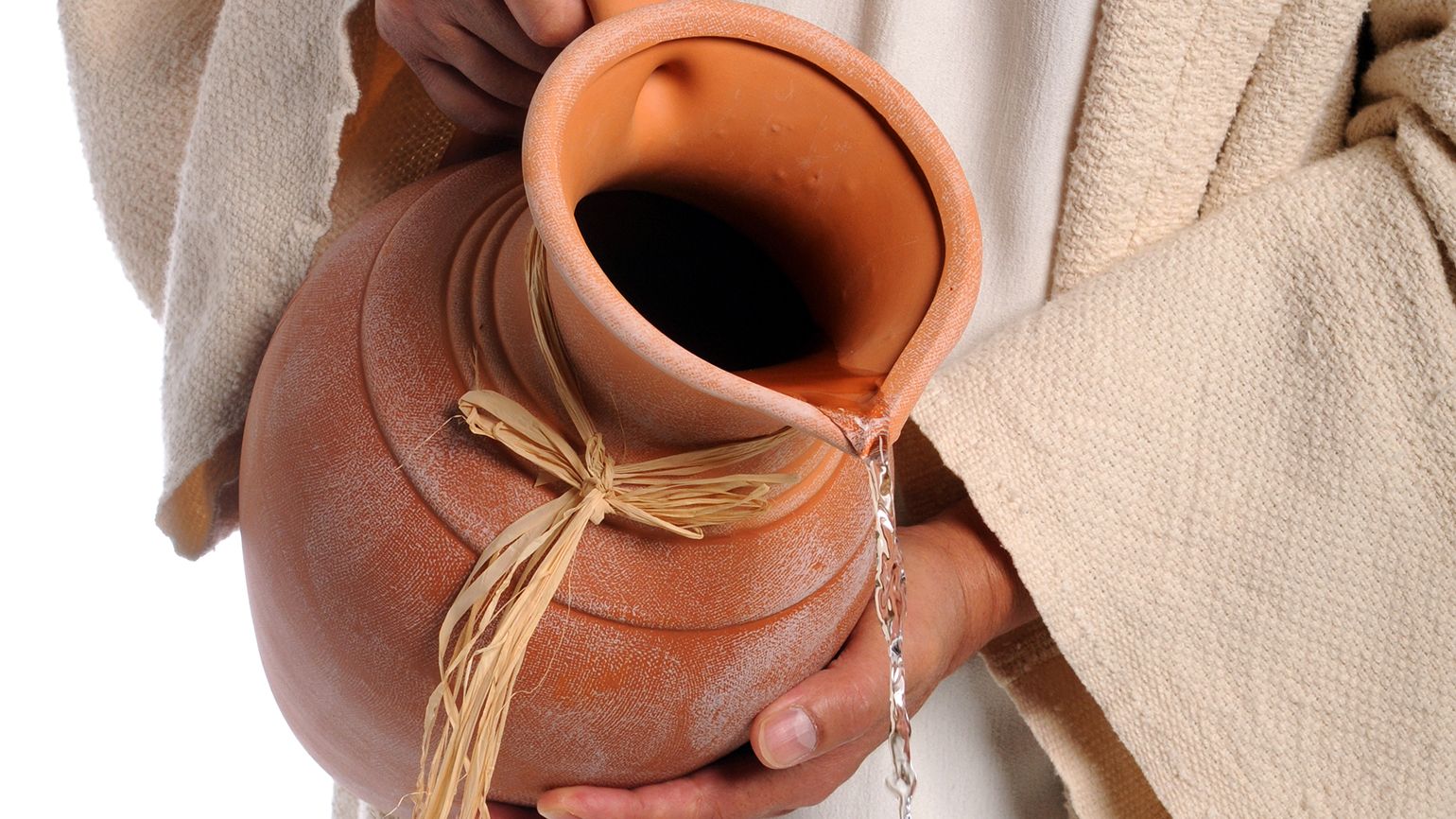
The Balm of Gilead and Its Use in Biblical Times
The phrase “balm of Gilead” appears several times in Scripture and has captured the imagination of readers for centuries. It is used both literally and symbolically, referring to a valuable healing substance and, more profoundly, to God’s power to heal spiritual wounds. To understand its meaning, one must explore its historical, medicinal, geographical, and theological significance within the biblical world.
In biblical times, the balm of Gilead was a real, tangible substance known for its healing properties. At the same time, Scripture uses it as a metaphor for restoration, hope, and divine healing, especially in moments of national and spiritual crisis. The Bible’s references to the balm of Gilead reveal much about ancient medicine, trade, and God’s redemptive message to His people.
The Region of Gilead
Gilead was a mountainous region east of the Jordan River, known for its fertile land and rich natural resources. It was part of the territory given to the tribes of Reuben, Gad, and the half tribe of Manasseh. Gilead’s location made it strategically important, lying along major trade routes connecting Arabia, Mesopotamia, and Egypt.
Scripture frequently associates Gilead with healing and abundance. Jeremiah 8:22 asks, “Is there no balm in Gilead; is there no physician there?” (KJV). This rhetorical question assumes that Gilead was widely known as a place where healing remedies could be found. The reputation of the region was so strong that its medicinal products were recognized far beyond Israel’s borders.
What Was the Balm of Gilead?
The balm of Gilead was a resinous substance extracted from certain plants or trees native to the region. Most scholars associate it with a plant related to the Commiphora or Balsam tree, which produced a fragrant resin when its bark was cut. This resin was thick, aromatic, and highly valued for its medicinal qualities.
In the ancient world, the balm was used primarily as a healing ointment. It was applied to wounds, sores, and infections. It was also used to relieve inflammation and pain. Because of its rarity and effectiveness, it became one of the most expensive medicinal substances in the Near East.
Genesis 37:25 provides an early reference to this product in a trade context. When Joseph’s brothers saw the Ishmaelite caravan, Scripture says, “Their camels bearing spicery and balm and myrrh, going to carry it down to Egypt” (KJV). This passage shows that balm was a commercial commodity, exported and traded internationally.
Medicinal Use in Biblical Times
 In an age without modern medicine, healing substances like balm were essential. The balm of Gilead was used as a topical remedy for physical injuries. It was believed to disinfect wounds, promote healing, and reduce scarring. Physicians and healers valued it greatly, and its scarcity made it accessible mostly to the wealthy or powerful.
Jeremiah’s reference to the balm emphasizes this medicinal understanding. When he asks whether there is no balm or physician, he is pointing to the tragedy that despite the availability of healing resources, the people remained wounded. The prophet uses familiar medical language to communicate a deeper spiritual truth.
It is important to note that in biblical thought, physical healing and spiritual condition were often connected. While not all illness was viewed as punishment, health was frequently associated with obedience to God and wholeness of life. The balm thus became a fitting symbol for God’s restoring work.
Symbolic and Spiritual Meaning in Scripture
While the balm of Gilead had practical medical use, its most powerful meaning in the Bible is symbolic. The prophets, especially Jeremiah, used it to speak of spiritual healing that only God could provide.
Jeremiah 8:22 continues to resonate deeply with readers: “Why then is not the health of the daughter of my people recovered?” (KJV). The problem was not the absence of healing resources. The problem was the people’s refusal to repent and return to God. The balm existed, but it was not applied because the people rejected the divine Physician.
Later, in Jeremiah 46:11, the prophet speaks to Egypt, saying, “Go up into Gilead, and take balm, O virgin, the daughter of Egypt: in vain shalt thou use many medicines; for thou shalt not be cured.” This verse highlights that human remedies alone cannot heal spiritual or divine judgment wounds. True healing comes only from God.
Thus, the balm of Gilead became a symbol of God’s grace, mercy, and power to heal, contrasted with humanity’s inability to save itself apart from Him.
The Balm and God’s Covenant People
For Israel, the balm of Gilead represented what was available to them through covenant relationship with God. Healing, restoration, and forgiveness were within reach, yet often rejected. The prophets used the image to expose Israel’s spiritual condition.
The balm imagery also highlights God’s compassion. The very fact that Scripture asks whether there is balm implies that God desires healing. He is not indifferent to suffering. He provides means of restoration, both physical and spiritual. However, healing requires humility, repentance, and trust in Him.
This theme aligns with other Scriptures. Psalm 147:3 declares, “He healeth the broken in heart, and bindeth up their wounds.” The balm of Gilead becomes one of the many biblical pictures of God as the healer of His people.
The Balm of Gilead and Messianic Hope
Over time, Jewish and Christian readers came to see the balm of Gilead as pointing beyond physical medicine to Messianic hope. The prophets revealed that ultimate healing would come through God’s anointed one.
Christians understand this fulfillment in Jesus Christ. Isaiah 53 speaks of the suffering servant, saying, “With his stripes we are healed” (Isaiah 53:5, KJV). While Isaiah does not mention balm explicitly, the concept of healing through God’s chosen servant aligns closely with the imagery of Gilead’s balm.
In Christian theology, Christ Himself becomes the true balm of Gilead, healing sin, restoring brokenness, and reconciling humanity to God. This understanding later influenced Christian hymns and sermons that used the phrase to describe the saving work of Christ.
Cultural and Economic Importance
Beyond its spiritual symbolism, the balm of Gilead played a significant role in the economy of the ancient Near East. Its production required careful cultivation and skilled extraction. Because of its value, it contributed to Gilead’s prosperity and reputation.
Kings and nobles sought balm as a luxury item. It was sometimes used in perfumes, embalming practices, and royal medicine. Its inclusion alongside myrrh and spices in Genesis highlights its high status among trade goods.
This economic importance reinforces why biblical audiences would immediately understand references to balm. It was not obscure or symbolic alone. It was a known and prized substance, making the prophetic imagery even more powerful.
The balm of Gilead teaches enduring spiritual lessons. First, it reminds believers that God is a healer by nature. He provides what is needed for restoration. Second, it warns that healing can be refused. Pride, rebellion, and unbelief can leave wounds untreated even when healing is available. Third, it points to the sufficiency of God’s provision. Just as balm was rare and precious, so is God’s grace. It is not cheap, yet it is offered freely to those who seek Him. Finally, the balm of Gilead directs the reader to Christ. Physical remedies can treat the body, but only Christ heals the soul. He binds the brokenhearted, forgives sin, and restores what was lost.
In biblical times, the balm of Gilead was a real healing substance, prized for its medicinal and economic value. Scripture uses this familiar remedy as a powerful metaphor for spiritual healing and divine restoration. Through the prophets, God asked His people why they remained wounded when healing was available.
The balm of Gilead points beyond itself to the greater healing found in God’s redemptive work. For Christians, it finds its fullest meaning in Jesus Christ, who heals not only wounds of flesh but the deeper wounds of sin and separation from God. The question remains as relevant today as it was in Jeremiah’s time: Is there no balm in Gilead? The biblical answer is clear. The balm exists, and God still invites His people to receive His healing.




No comments yet. Be the first to share your thoughts!