
The Book of Psalms: God’s Hymnal for His People
 The Book of Psalms holds a unique and treasured place in Scripture. Unlike historical books that narrate events or epistles that instruct churches, the Psalms give voice to the heart of God’s people as they respond to Him in worship, prayer, lament, repentance, and praise. For centuries, believers have rightly referred to the Psalms as God’s hymnal, a divinely inspired collection of songs given not merely for reading, but for singing, meditation, and spiritual formation.
The Psalms teach believers how to speak to God, how to speak about God, and how to speak to their own souls. They are both vertical and horizontal, directed toward God while shaping the inner life of the worshiper. More than any other book of the Bible, the Psalms reveal that God welcomes honest, reverent, and faith-filled expression from His people.
A Divine Songbook Given by God
The Book of Psalms is not a human attempt to reach God through music. It is God’s own provision for worship. While human authors such as David, Asaph, the sons of Korah, Solomon, and Moses contributed to the Psalms, Scripture affirms that these writings were inspired by the Holy Spirit. Jesus Himself treated the Psalms as authoritative Scripture. In Luke 24:44, He referred to “the law of Moses, and in the prophets, and in the psalms” as testifying of Him.
This divine origin means the Psalms are not merely emotional expressions but theologically rich hymns shaped by God Himself. They teach doctrine, reveal God’s attributes, and form the spiritual vocabulary of believers. God did not leave His people to invent worship according to preference alone. He gave them words that are true, balanced, and holy.
The Psalms as the Worship Language of Israel
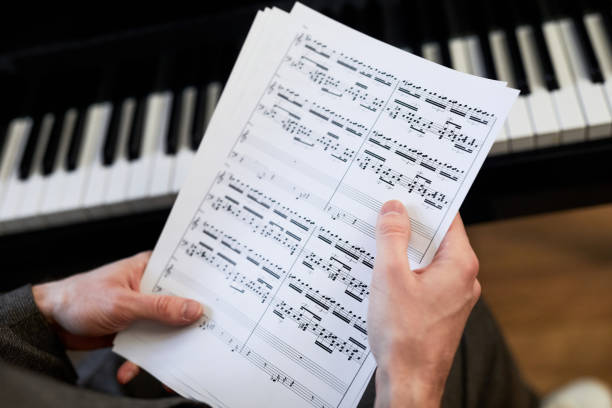
For ancient Israel, the Psalms were central to worship. They were sung in the temple, during feasts, and in personal devotion. Many psalms include musical notations, references to instruments, and instructions for the choir director. This shows that God intended these texts to be used musically, not only read silently.
Worship in Israel was not improvised. It was structured, reverent, and grounded in God’s revealed truth. The Psalms shaped the theology of the nation by placing God’s mighty acts, covenant faithfulness, and moral law into song. What Israel sang shaped what Israel believed. This principle remains true for the church today.
Teaching the Full Range of Human Experience
One of the most remarkable features of God’s hymnal is its emotional honesty. The Psalms cover joy, sorrow, fear, anger, repentance, hope, confidence, and despair. There are psalms of exuberant praise like Psalm 150 and psalms of deep darkness like Psalm 88. This balance shows that God does not require His people to hide their pain in worship.
Instead, the Psalms teach believers how to bring every emotion under the authority of faith. Lament psalms do not deny suffering, but they refuse to surrender hope. Praise psalms do not ignore hardship, but they elevate God above circumstances. God’s hymnal trains the heart to respond rightly, not merely emotionally.
Speaking to the Soul Through Song
The Psalms frequently model speaking to one’s own soul. Psalm 103 opens with “Bless the LORD, O my soul,” commanding the inner being to remember God’s benefits. Psalm 42 repeatedly asks, “Why art thou cast down, O my soul?” and then answers that question with hope in God.
This self-address is not self-centered introspection. It is spiritual discipline. Through the Psalms, believers learn to correct their inner dialogue with divine truth. Singing or reciting psalms teaches the heart what to believe when feelings contradict faith. In this way, God’s hymnal functions as a tool for spiritual resilience.
Christ in the Psalms
Though written centuries before the incarnation, the Psalms are deeply Christ-centered. Jesus quoted the Psalms frequently and identified them as speaking about Him. Psalm 22 describes suffering that finds its fulfillment in the crucifixion. Psalm 16 points to the resurrection. Psalm 110 declares the Messiah as both King and Priest.
The early church understood the Psalms as the voice of Christ and the voice of the church united to Him. When believers sing the Psalms, they are often singing words that Christ Himself sang during His earthly life. This makes the Psalms uniquely powerful as shared worship between Christ and His people.
The Psalms and the New Testament Church
The New Testament affirms the ongoing role of psalms in Christian worship. Ephesians 5:19 instructs believers to speak to one another “in psalms and hymns and spiritual songs.” Colossians 3:16 emphasizes that psalms are a means of teaching and admonishing one another in wisdom.
This shows that the Psalms were not replaced by the gospel but fulfilled by it. They continue to shape Christian worship by grounding it in Scripture rather than mere creativity. The church sings best when it sings the Word of God.
Theology That Is Sung, Not Just Studied
The Psalms are doctrinally rich. They teach about God’s holiness, sovereignty, justice, mercy, wrath, faithfulness, and love. They teach about humanity’s sinfulness, dependence, and hope of redemption. Yet they do so in poetic form that engages the heart as well as the mind.
This combination is essential. Theology that is only studied may remain abstract. Theology that is sung becomes internalized. When believers sing truth, it stays with them in moments of temptation, fear, and suffering. God’s hymnal ensures that doctrine is not confined to the intellect but baked into memory and affection.
Shaping Reverent and God-Centered Worship
The Psalms guard worship from becoming self-focused. While they include personal experience, the dominant theme is always God’s glory. The psalmist’s emotions are always oriented toward God’s character, not human preference. Praise is offered because God is worthy, not because worshipers feel inspired.
This challenges modern tendencies toward entertainment-driven worship. God’s hymnal teaches reverence, humility, and awe. It reminds believers that worship is about responding to who God is and what He has done. True worship begins with God, not with us.
The Psalms in Personal Devotion
Beyond corporate worship, the Psalms have long served as the prayer book of believers. They give language to prayer when words fail. They help believers pray Scripture back to God, aligning desires with His will.
In times of distress, many Christians instinctively turn to the Psalms because they speak honestly while anchoring hope in God. This enduring relevance shows that God’s hymnal was designed for lifelong use. It meets believers in every season, from youth to old age.
Discipline
While the Psalms engage emotion, they do not elevate emotion above truth. They model disciplined worship that persists even when feelings are absent. Psalm 13 begins in despair but ends in trust. This progression teaches believers that worship is an act of faith, not merely a response to mood.
God’s hymnal trains believers to worship even in silence, sorrow, and waiting. This kind of worship shapes character and deepens faith. The Psalms teach believers not only how to feel, but how to believe.
A Hymnal for All Generations
The Psalms have been sung by God’s people for over three thousand years. They unite believers across cultures, languages, and centuries. From ancient Israel to the early church to modern congregations, God’s hymnal continues to form the spiritual backbone of worship.
This enduring use testifies to their divine origin and timeless relevance. Human songs may fade, but the Psalms remain. They are not bound to trends or styles. They belong to the whole people of God.
The Book of Psalms stands as God’s hymnal, given by divine inspiration to shape worship, doctrine, prayer, and the inner life of believers. It teaches God’s people how to speak to Him, how to speak about Him, and how to speak truth to their own souls.
More than poetry, the Psalms are theology set to song. More than music, they are Scripture meant to be lived, prayed, and sung. When believers return to the Psalms, they return to a worship shaped by God Himself. In every generation, God’s hymnal continues to call His people to reverent, honest, and faith-filled worship.



No comments yet. Be the first to share your thoughts!