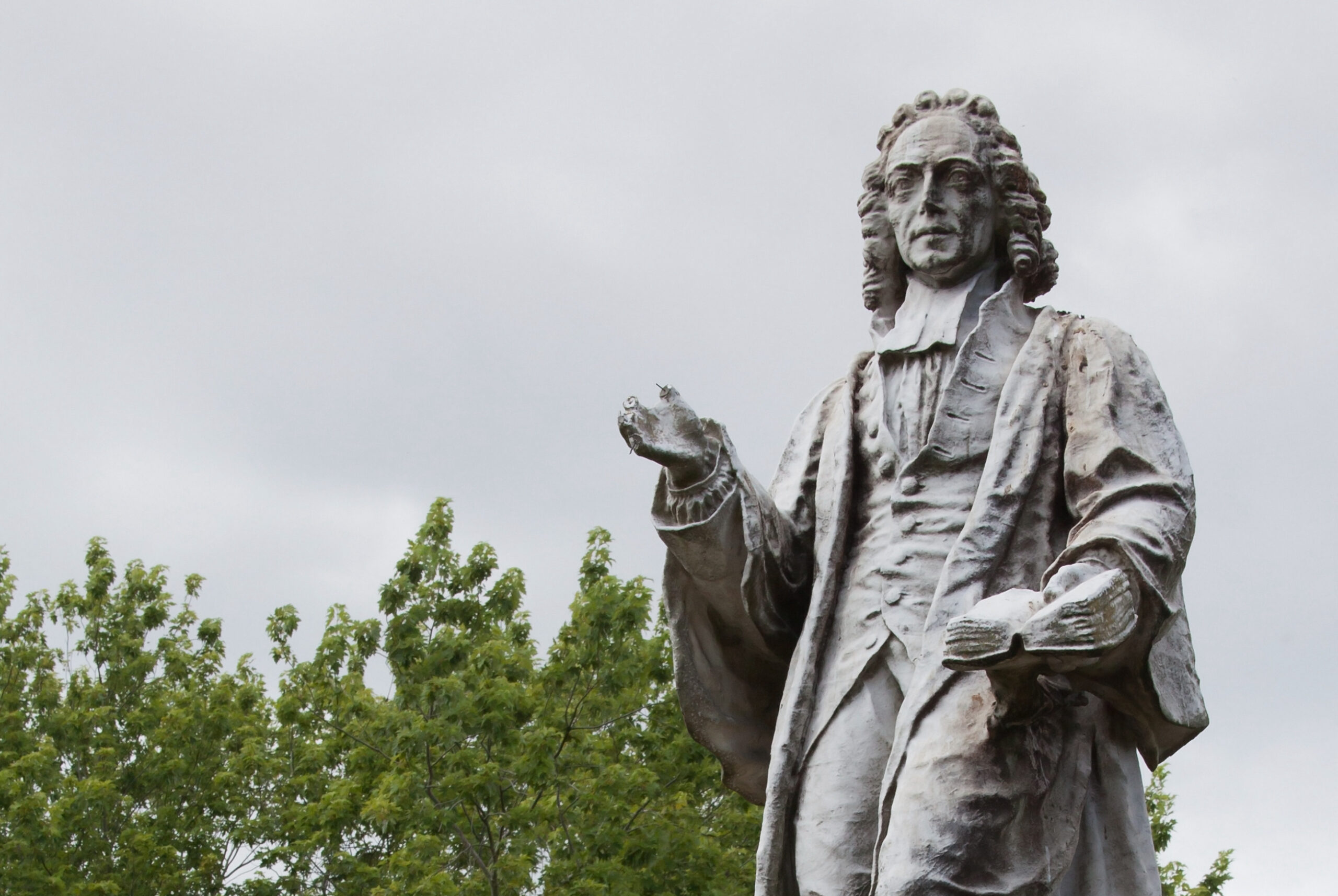
The Famous Hymns of Isaac Watts
saac Watts (1674–1748) is often called the “Father of English Hymnody.” His hymns have influenced Christian worship for over three centuries. Watts’ genius was in combining deep theological truths with poetic expression, creating hymns that were both doctrinally sound and singable by congregations. Many of his hymns remain central to church worship today, and his ability to connect Scripture with heartfelt devotion has made his work timeless.
1. “When I Survey the Wondrous Cross”
Perhaps Watts’ most famous hymn, this song reflects on the death of Christ on the cross and its meaning for believers. Its moving words and meditative style invite worshippers to contemplate the depth of Jesus’ sacrifice and to respond in personal devotion. It remains a staple for Good Friday services and moments of reflection.
2. “Joy to the World”
Written as a hymn of praise for the coming of Christ, “Joy to the World” has become a beloved Christmas carol. Watts drew inspiration from Psalm 98, celebrating the reign of the Lord and His blessings on the earth. Its jubilant melody and triumphant message make it a favorite in both traditional and modern worship.
3. “O God, Our Help in Ages Past”
This hymn emphasizes God’s eternal protection and faithfulness, drawing on Psalm 90. Its majestic language encourages trust in God through the trials of life and highlights His unchanging nature. Churches often use it for moments of reflection, remembrance, and thanksgiving.
4. “Alas! And Did My Savior Bleed”
Also known as “The Crucifixion Hymn,” this piece reflects on Christ’s suffering and the believer’s response to His sacrifice. Watts’ theological depth shines through as he invites worshippers to meditate on redemption, love, and gratitude for the atonement.
5. “Jesus Shall Reign Where’er the Sun”
This hymn celebrates the universal reign of Christ and the spread of His gospel. It is both missionary in focus and worshipful in tone, inspiring believers to rejoice in the expansion of God’s kingdom throughout the world.
6. “Come, We That Love the Lord”
A joyful hymn calling believers to live in love and unity, it expresses the delight of walking with Christ and fellow Christians. Its lively rhythm and scriptural references make it particularly suitable for congregational singing.
7. “I Sing the Mighty Power of God”
Watts’ praise of God’s creation and sovereignty shines in this hymn. It celebrates the wonders of the natural world and God’s sustaining power. This hymn is often used in worship services emphasizing God’s greatness and creative majesty.
8. “There Is a Land of Pure Delight”
Focused on heaven, this hymn encourages believers to look forward to eternal rest and joy with God. Watts’ poetic vision of the glory and peace of heaven provides comfort and hope to all who sing it.
9. “Am I a Soldier of the Cross”
This hymn addresses the spiritual life as a battle of faith, calling believers to perseverance, courage, and devotion. Its imagery of discipline and commitment encourages Christians to live faithfully in obedience to Christ.
10. “Now Let Our Voices Join”
This hymn emphasizes unity in worship, calling believers to lift their voices in praise and thanksgiving. Its communal focus has made it a standard for congregational singing in many denominations.
Isaac Watts transformed Christian worship by writing hymns that were doctrinally accurate, poetically expressive, and emotionally engaging. His ability to translate biblical truths into singable poetry created a bridge between head and heart. By combining scriptural wisdom with lyrical beauty, Watts’ hymns continue to educate, inspire, and uplift believers around the world.
His works are more than songs; they are tools for teaching theology, guiding devotion, and encouraging both individual and corporate worship. Churches that include Watts’ hymns in their services benefit from centuries of careful, Spirit-led reflection on the truths of God’s Word.
Isaac Watts’ legacy is seen in how his hymns still echo in worship today, reminding Christians of the power of Scripture set to music, and the joy of expressing faith in words and song.




No comments yet. Be the first to share your thoughts!