The Fruit of the Spirit Explained: What Genuine Christian Growth Looks Like
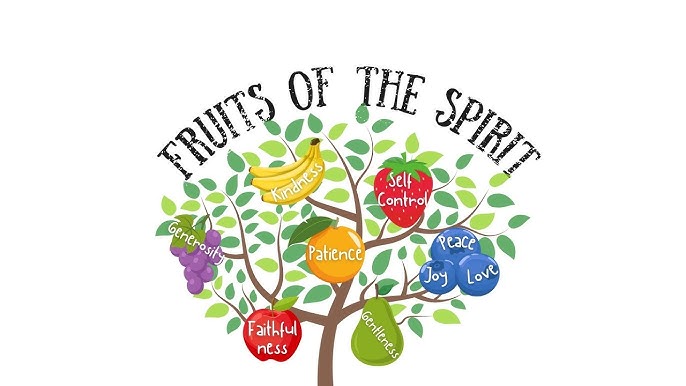
The Bible does not describe spiritual growth primarily in terms of external success or religious activity. Instead, it points to inner transformation produced by the Holy Spirit. Paul calls this transformation the fruit of the Spirit, not the fruits, because it is one unified work with multiple expressions (Galatians 5:22–23).
The fruit of the Spirit contrasts sharply with the works of the flesh. Flesh produces actions that fracture relationships and enslave the heart, while the Spirit produces character that reflects Christ Himself (Galatians 5:19–21). Fruit is not manufactured by effort alone. It grows as a result of abiding in Christ (John 15:5).
Love stands first because it shapes everything else. Biblical love is not mere emotion but self-giving commitment to the good of others (1 Corinthians 13:4–7). This love mirrors God’s love poured into believers’ hearts by the Spirit (Romans 5:5). Without love, the other qualities lose their meaning.
Joy is not dependent on circumstances. It flows from reconciliation with God and confidence in His promises (Romans 15:13). This joy can coexist with suffering because it is anchored in hope, not comfort (1 Peter 1:8).
Peace reflects restored harmony with God and growing stability within the soul. It guards the heart against anxiety by trusting God’s sovereign care (Philippians 4:7). This peace also shapes relationships, calling believers to live as peacemakers (Romans 12:18).
Patience reveals how the Spirit reshapes reactions to frustration and delay. It is long-suffering, not passive resignation. Patience reflects God’s own restraint and mercy toward sinners (2 Peter 3:9).
Kindness expresses God’s goodness in practical ways. It moves beyond politeness to active concern for others, especially those who cannot repay it (Ephesians 4:32). Kindness makes the gospel visible through ordinary actions.
Goodness involves moral integrity and generosity. It reflects a heart aligned with what pleases God, not merely what appears virtuous (Psalm 34:14). Goodness resists evil while actively pursuing what is right.
Faithfulness speaks of reliability and trustworthiness. It mirrors God’s covenant faithfulness and shows itself in consistency, loyalty, and perseverance (Lamentations 3:22–23). Faithfulness grows quietly but proves enduring.
Gentleness is strength under control. It is not weakness, but disciplined power guided by love (Matthew 11:29). Gentleness reflects Christ’s humility and shapes how believers correct, serve, and lead others (Galatians 6:1).
Self-control governs desires rather than suppressing them. The Spirit empowers believers to resist impulses that once ruled them (Titus 2:11–12). Self-control demonstrates true freedom, not restriction.
The fruit of the Spirit is not a checklist for self-improvement. It is evidence of the Spirit’s presence. Growth may be uneven, but fruit will be visible over time (Matthew 7:17). These qualities do not earn salvation. They reveal it.
Where the Spirit is at work, character changes. Not instantly, not perfectly, but genuinely. The fruit of the Spirit shows what Christ is forming in His people, one life at a time.




No comments yet. Be the first to share your thoughts!