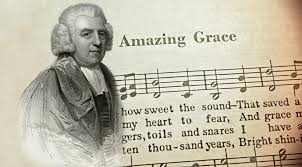
The Story Behind the Hymn “Amazing Grace”
“Amazing Grace” is one of the most beloved hymns in Christian history, and its story is as powerful as the words themselves. The hymn was written by John Newton, a man whose life journey moved from rebellion and sin to repentance and transformation in Christ. The hymn’s message about God’s grace was not a theory for Newton. It was his personal testimony. Every line reflects the mercy that rescued him from a life of darkness and gave him a new identity as a child of God.
John Newton was born in 1725 in London. His mother was a devoted Christian who taught him Scripture and hymns, but she died when he was only six years old. Without her influence, Newton drifted into a reckless and sinful lifestyle. As a young man he became involved in the slave trade, joining the crew of ships that transported slaves across the Atlantic Ocean. Newton later admitted that during these years his heart was hard, his language was filthy, and his behavior was violent. He openly rejected God and saw no need for repentance.
Everything changed in 1748 when Newton faced a terrifying storm at sea. The wind tore the ship apart, the water filled the decks, and death seemed certain. Newton cried out to God in desperation, not as a man who knew God well, but as someone who suddenly realized how empty and helpless he truly was. The Lord spared his life that night, and the experience marked the beginning of Newton’s conversion.
Although Newton continued working on slave ships for a few more years, his conscience grew troubled. He could no longer ignore the cruelty of the slave trade, nor could he escape the growing awareness of his own guilt. The grace he had tasted during the storm began working deeply in his heart. Over time, he completely renounced his involvement in slavery, sought forgiveness from God, and committed himself to a different life.
Newton eventually became a minister in the Church of England, serving faithfully in the small town of Olney. His humility, kindness, and love for people became well known. He spent his days visiting the sick, preaching the gospel, and encouraging believers. During his years in ministry, Newton wrote many hymns that expressed the joy of salvation. The most famous among them is “Amazing Grace,” written in 1772 for a New Year’s Day sermon.
The hymn was based on Newton’s message from 1 Chronicles 17, where King David marvels that God would show him kindness despite his humble beginnings. Newton understood this feeling very well. He considered his past and marveled at the grace that saved him. The opening words, “Amazing grace, how sweet the sound, that saved a wretch like me,” were not poetic exaggeration. They were an honest confession of the depths from which God had lifted him.
Every stanza of the hymn reflects themes that shaped Newton’s life. He wrote about the blindness of sin and the sight that grace brings, echoing John 9:25 where the man healed by Jesus says, “Whereas I was blind, now I see.” He wrote about dangers, toils, and snares, remembering the storms he survived at sea and the spiritual storms he endured afterward. He wrote about God’s guiding hand, the hope of eternal life, and the security of the believer who trusts in the Lord. The hymn ends with a vision of heaven, reminding Christians that the grace that saves will also keep them until they stand in God’s presence.
Later in life, Newton became one of the strongest Christian voices against slavery. He openly confessed his past sins and used his influence to support abolition. He wrote a public pamphlet titled “Thoughts Upon the African Slave Trade,” describing the horrors he had witnessed and urging the nation to turn away from the practice. His testimony had a deep impact, and many credit him as one of the spiritual voices that helped lead to the end of slavery in the British Empire.
Even as his strength faded in old age, Newton continued preaching and talking about God’s grace. One of his famous statements near the end of his life was, “My memory is nearly gone, but I remember two things. I am a great sinner, and Christ is a great Savior.” This simple confession contains the heart of “Amazing Grace.” Newton never forgot the mercy that changed him, and he never stopped pointing others to the same Savior.
Today, “Amazing Grace” continues to be sung in churches, prisons, hospitals, homes, and gatherings around the world. Its message reaches every generation because it speaks to the deepest human need. Everyone has sinned, everyone needs grace, and everyone who turns to Christ can find forgiveness and new life. The hymn is more than music. It is a testimony of redemption, a reminder that no one is beyond the reach of God, and a celebration of the grace that saves, restores, and keeps us through every storm.





No comments yet. Be the first to share your thoughts!