The Story Behind the Hymn “In Times Like These”
The hymn “In Times Like These” was written during one of the most turbulent periods of modern history. Its simple words and steady melody were born out of global uncertainty, moral instability, and a deep longing for something unshakable. Though brief in length, the hymn carries a powerful message. When everything around us is unstable, Jesus Christ remains the sure foundation.
Historical Background
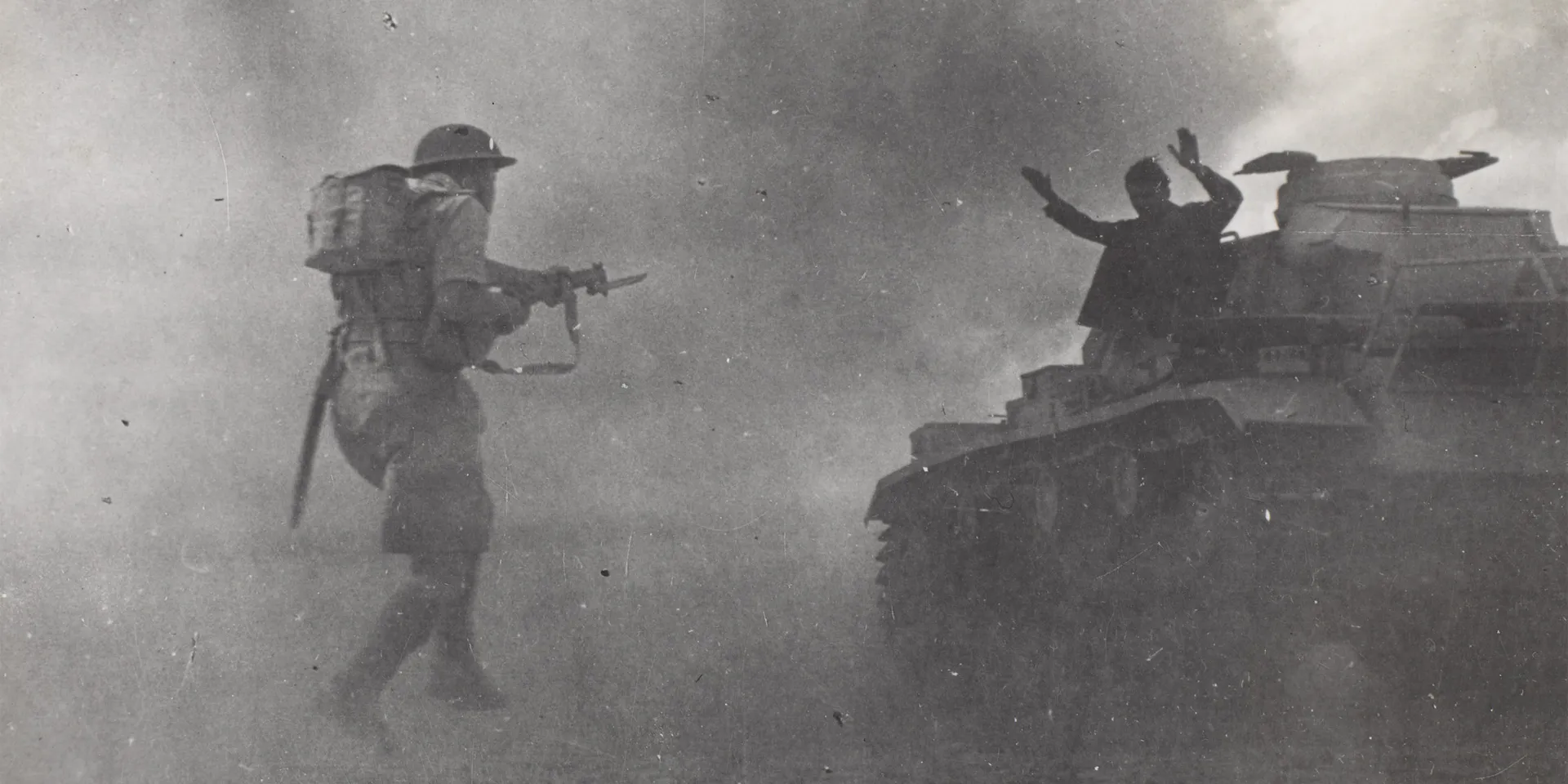
“In Times Like These” was written in 1943 by Ruth Caye Jones, an American gospel songwriter and pianist. The world at that time was engulfed in World War II. Nations were at war, millions of lives were being lost, families were separated, and the future felt uncertain. Fear, anxiety, and grief filled the hearts of many.
Within the United States and beyond, churches were struggling to minister to people weighed down by worry. Many believers were asking difficult questions about suffering, security, and hope. It was in this atmosphere that Ruth Caye Jones penned this hymn.
She did not write as a detached observer of world events. She wrote as a believer responding to the spiritual needs of her time. Her hymn was intended to remind Christians that Christ is the anchor when everything else fails.
The Message of the Hymn
The opening line sets the tone immediately.
“In times like these you need a Savior
In times like these you need an anchor”
These words are not poetic exaggeration. They are a pastoral declaration. In moments of crisis, humanity’s deepest need is not political solutions or human strength, but a Savior who cannot be shaken.
The hymn repeatedly points to Jesus as the Rock, drawing directly from biblical imagery found in passages such as Matthew 7:24–25 and 1 Corinthians 10:4. The line “Be very sure your anchor holds and grips the Solid Rock” echoes Hebrews 6:19, which speaks of hope as an anchor of the soul.
One of the most striking features of the hymn is its direct address to the listener. The words do not merely describe theology. They call for personal response.
This repetition emphasizes urgency. Faith cannot be assumed. In uncertain times, believers are urged to examine whether their trust truly rests in Christ or in unstable foundations.
The hymn also includes a call to Christian witness.
“In times like these you need the Bible
In times like these, oh be not idle”
Here the hymn moves beyond comfort into responsibility. Hard times are not an excuse for spiritual passivity. Instead, they are a summons to cling to God’s Word and to live faithfully in a confused world.
Scriptural Foundations
Though simple in language, the hymn is deeply biblical. Its themes reflect several key Scriptures.
Christ as the Rock appears throughout Scripture. Psalm 18:2 declares the Lord as a rock and fortress. Jesus’ parable of the wise man building on the rock reinforces the same truth.
The imagery of an anchor reflects Hebrews 6:19, where hope in Christ is described as secure and steadfast. During wartime, the image of an anchor would have been especially powerful, symbolizing stability amid chaos.
The call to hold fast to Scripture echoes Psalm 119 and Paul’s exhortations to remain grounded in truth during difficult seasons.
The Hymn spread quickly through churches because it spoke plainly and pastorally. It did not require complex theological training to understand. it was clear, convicting, and Christ-centred.
The hymn has endured because history keeps producing “times like these.” War, economic collapse, persecution, moral confusion, pandemics, and personal suffering all make its message continually relevant.
Its continued use in churches today testifies to the unchanging human need for a sure foundation and the unchanging sufficiency of Christ.
The hymn reinforces core Christian doctrine without complexity. It affirms the necessity of Christ for salvation, the authority of Scripture, and the call to faithful living. It does not promise escape from hardship. Instead, it promises security in Christ within hardship.
This aligns closely with New Testament teaching. Jesus never promised His followers an easy life. He promised His presence, His peace, and His victory. The hymn reflects that biblical realism.
Though written in the 1940s, the hymn has found renewed relevance in modern crises. Churches have sung it during times of political upheaval, economic uncertainty, and global distress. Its message cuts across cultures and generations.
The hymn also serves as a teaching tool. Its simplicity makes it suitable for congregations of all ages, while its theological clarity makes it appropriate for serious worship.
The story behind “In Times Like These” is the story of faith spoken into fear. Born during global conflict, it directs anxious hearts to an unchanging Savior. It reminds believers that stability is not found in circumstances but in Christ.
Where can we stand when everything else shakes? Its answer remains as true today as it was in 1943. On Christ, the Solid Rock, we stand.




No comments yet. Be the first to share your thoughts!