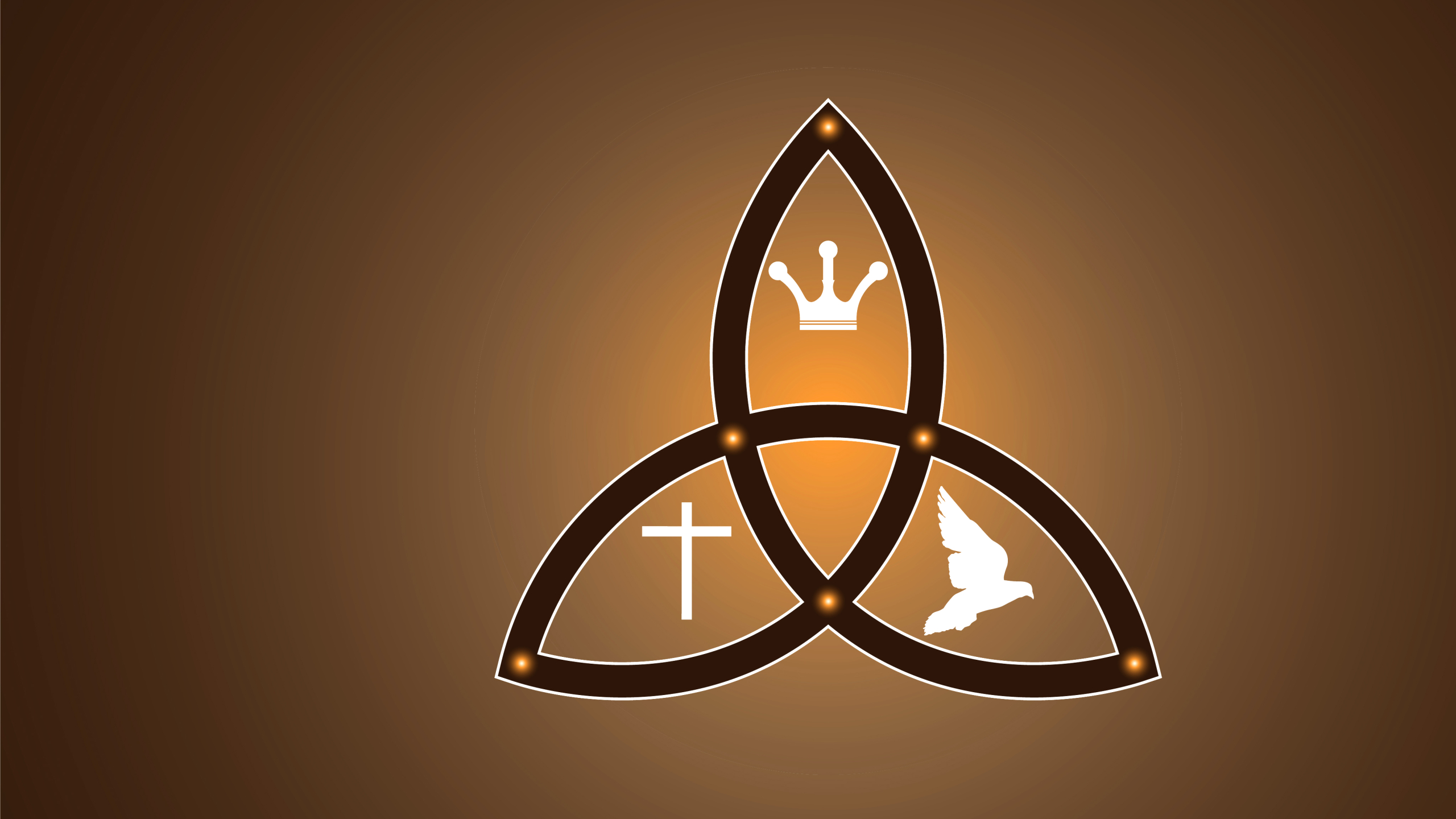
How can God be three Persons but one God?
The doctrine of the Trinity does not arise from philosophy or speculation. It comes from the way Scripture reveals God. The Bible consistently teaches two great truths at the same time. First, there is only one true God. Second, the Father, the Son, and the Holy Spirit are each fully and truly God, and yet they are personally distinct. The doctrine of the Trinity is the church’s faithful attempt to hold these biblical truths together without distortion or contradiction.
The starting point is the oneness of God. Scripture repeatedly declares that God is one, unique, and without equal. There are not multiple competing gods. There is one eternal Creator who rules over all things. At the same time, the Bible speaks of three distinct Persons who share that one divine nature. The Father is called God. The Son is called God. The Holy Spirit is called God. They are not three separate beings or three parts of God. They share the same divine essence, the same eternal being, the same nature, while remaining personally distinct from one another.
This means that the Father is not the Son, the Son is not the Spirit, and the Spirit is not the Father. Yet each Person is fully divine. The Father sends the Son. The Son prays to the Father. The Spirit proceeds from the Father and is sent by the Son. These relationships show that God’s inner life is one of perfect fellowship, love, and unity within Himself. The Trinity is not a mathematical puzzle or a logical trick. It is a revelation of who God truly is, in His own eternal being.
One way to understand this mystery more clearly is to recognize the difference between being and person. God is one in being, but three in Person. Being answers the question “What is God?” and the answer is that He is one divine essence. Person answers the question “Who is God?” and Scripture reveals that He is Father, Son, and Holy Spirit. The church does not claim that God is one and three in the same way. Instead, He is one in nature and three in personal identity.
The Trinity also explains how God can be eternally loving. Love is not something God began to express only after creation. From all eternity, the Father loves the Son, and the Son loves the Father, in the fellowship of the Holy Spirit. God’s love is not dependent on the world, because perfect love already exists within His own divine life. When God creates and redeems, He is not trying to gain love or completeness. He is graciously sharing the overflowing love that already exists within Himself.
The doctrine of the Trinity also guards the truth of salvation. The Father plans redemption. The Son accomplishes redemption through His life, death, and resurrection. The Holy Spirit applies redemption to the hearts of believers. One God acts in three distinct ways, through three divine Persons working in perfect unity. If Jesus were not truly God, His sacrifice would not have infinite worth. If the Spirit were not truly God, He could not transform hearts or dwell within believers. The Trinity is not optional. It is essential to the gospel.
Even though the Trinity is mysterious, it is not irrational. Christians do not claim to fully comprehend God’s nature. Instead, they confess what God has revealed about Himself. A finite mind cannot completely grasp the infinite God, but faith receives His self-revelation with humility and reverence. The goal is not to reduce God to something simple, but to worship Him as He truly is. The doctrine of the Trinity reminds us that God is greater, deeper, and more glorious than human imagination could ever invent.
To say that God is three Persons in one God is to acknowledge that the God of Scripture is relational, living, and personal. He is not an abstract force or a distant power. He is the Father who calls, the Son who saves, and the Spirit who renews. The Trinity is not merely a theological formula. It is the heartbeat of Christian worship and the foundation of Christian faith.
Believers respond to this truth not only with understanding, but with praise. The one God, Father, Son, and Holy Spirit, is worthy of all honor, glory, and devotion. The doctrine of the Trinity teaches us that God is eternally rich in love, perfect in unity, and majestic in His divine mystery. To know Him is to enter into the life He shares with His people through Jesus Christ, in the power of the Holy Spirit.




No comments yet. Be the first to share your thoughts!