
How Songs Are Like Sermons
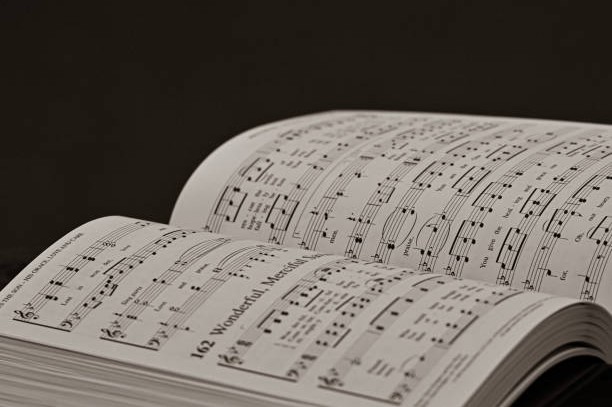
From the earliest days of God’s people, songs have preached long before pulpits were built. Long before most believers could read, truth was sung into memory, doctrine was carried by melody, and theology traveled farther on tunes than on manuscripts. In Scripture and church history alike, songs function not as decoration but as sermons set to music.
1. Songs Teach Doctrine Like Sermons Do
A true sermon explains who God is, what He has done, and how His people should respond. Biblical songs do the same. Moses did not merely celebrate deliverance after the Red Sea crossing. He taught theology through song.
“The LORD is my strength and song, and he is become my salvation” (Exodus 15:2, KJV).
That song declared God’s power, sovereignty, and faithfulness. In the same way, good hymns teach doctrines such as justification, sanctification, the Trinity, and the atonement. When believers sing truth repeatedly, doctrine settles into the heart almost effortlessly.
Many Christians remember theology more accurately from hymns than from sermons they once heard. That is not weakness. That is God’s design.
2. Songs Exhort the Heart Like Sermons Do
Sermons call people to respond. Songs do the same, sometimes more directly. Scripture commands believers not only to listen but to speak to one another through song.
“Speaking to yourselves in psalms and hymns and spiritual songs” (Ephesians 5:19, KJV).
That phrase means songs are mutual exhortation. When the church sings, believers preach to one another. A hymn urging repentance, faith, perseverance, or obedience functions exactly like a sermon application. It presses truth from the mind into the will.
A song like “O for a Thousand Tongues to Sing” exhorts believers to praise. “Have Thine Own Way, Lord” exhorts believers to surrender. These are sermons sung in the plural voice.
3. Songs Shape Affections Like Sermons Aim To
A faithful sermon does not aim only at information. It seeks transformation. Songs excel at this because they combine truth with affection. God does not want truth without love, nor love without truth.
The Psalms repeatedly command both.
“Serve the LORD with fear, and rejoice with trembling” (Psalm 2:11, KJV).
Songs allow believers to feel rightly about God. They discipline emotions under truth. A sermon may explain God’s holiness, but a song like “Holy, Holy, Holy” makes the congregation feel its weight together. This is not emotional manipulation when grounded in Scripture. It is biblical affection rightly ordered.
4. Songs Are Memorable Sermons
Sermons are often remembered in fragments. Songs are remembered whole. This is one reason God embedded so much theology in poetic and musical form. Israel was commanded to learn doctrine by song so it would not be forgotten.
“Now therefore write ye this song for you, and teach it the children of Israel” (Deuteronomy 31:19, KJV).
A sermon may fade from memory within days. A song learned in childhood can remain for a lifetime. In moments of fear, suffering, or death, believers often recall hymns before outlines. Those hymns preach again when no preacher is present.
5. Songs Defend Truth Like Sermons Do
Throughout church history, songs have been weapons against error. Many hymns were written precisely because false teaching was spreading. Singing truth publicly reinforced orthodoxy among the people.
Paul warns that false teaching spreads subtly, but he counters it with teaching that saturates the church community.
“Let the word of Christ dwell in you richly in all wisdom; teaching and admonishing one another in psalms and hymns and spiritual songs” (Colossians 3:16, KJV).
Notice the phrase teaching and admonishing. Songs are not neutral. They either guard truth or erode it. That is why the church must sing carefully. Every song is a sermon. The only question is whether it is a faithful one.
6. Songs Preach When Words Fail
There are moments when believers cannot articulate prayer or explanation. Songs step in where spoken language collapses. That is why Paul and Silas sang in prison, not preached.
“And at midnight Paul and Silas prayed, and sang praises unto God” (Acts 16:25, KJV).
In suffering, songs become sermons of hope. In grief, they become sermons of trust. In weakness, they become sermons of endurance. God often uses sung truth to sustain faith when spoken teaching feels distant.
7. Songs Reach Beyond the Church Like Sermons Do
Songs travel. They cross borders, languages, and cultures. Many people have encountered Christian truth first through music rather than preaching. Even unbelievers hum theology they do not yet believe.
This mirrors the Great Commission.
“Go ye into all the world” (Mark 16:15, KJV).
Songs go where sermons may never be invited. They linger in the mind, provoke curiosity, and sometimes soften hearts long before conversion.
Songs are not sermon replacements. They are sermons alongside sermons. God never intended preaching and singing to compete. He designed them to cooperate. When the church sings Scripture-shaped songs, the pulpit is extended into melody.
Every time believers sing, they are either preaching truth or spreading confusion. That is why the church must sing wisely, biblically, and reverently.
A sung sermon stays longer than a spoken one.
“Thy statutes have been my songs in the house of my pilgrimage” (Psalm 119:54, KJV).



No comments yet. Be the first to share your thoughts!