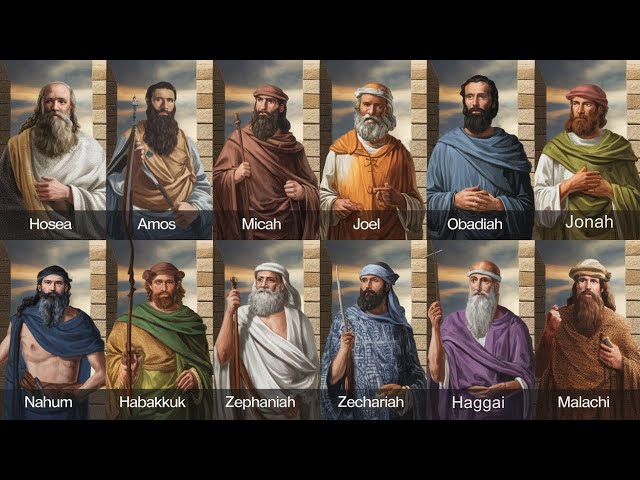
How To Understand the Minor Prophets
Many Christians find the Minor Prophets difficult to read and even harder to understand. The names sound unfamiliar, the historical settings feel distant, and the messages often deal with judgment, nations, and symbolism. Some readers even skip these books entirely. Yet these twelve short books carry powerful truth about God, sin, justice, mercy, and redemption. To understand the gospel fully, we must understand the message of the Minor Prophets.
The first key to understanding the Minor Prophets is realizing that they are called “minor” not because they are less important, but because they are shorter in length. Their message is just as weighty as Isaiah, Jeremiah, or Ezekiel. Each book was written in a real historical moment, addressing real people, real kings, and real national crises. The more we understand the historical background, the clearer their message becomes. These prophets spoke during periods of idolatry, moral decline, injustice, covenant unfaithfulness, and political instability. Their words were God’s response to a nation that had wandered from Him.
Second, the Minor Prophets reveal the seriousness of sin and covenant unfaithfulness. Israel was chosen by God, blessed, instructed, and called to live in obedience. But the people turned to idols, oppressed the poor, became morally corrupt, and abandoned true worship. The prophets confronted these sins with courage and clarity. They remind us that God does not overlook injustice, pride, or spiritual compromise. The message is uncomfortable, but necessary. These books teach that sin always leads to destruction, both personally and nationally, and that God’s holiness cannot be taken lightly.
Third, the Minor Prophets teach that God cares deeply about righteousness, justice, and the condition of the heart. They condemn empty religion, superficial worship, and outward spirituality with no inward devotion. God was not impressed by sacrifices or rituals when the people lived in disobedience. The prophets show that God desires truth, humility, repentance, compassion, and faithfulness. Their message speaks directly to our world today, where religion can easily become formal, cultural, or external. The Minor Prophets press us to examine whether our faith is genuine and obedient, or merely traditional.
Fourth, the Minor Prophets are filled with hope, grace, and promises of restoration. Although they announce judgment, they also proclaim that God is merciful and slow to anger. Over and over, God calls His people to return to Him. He promises forgiveness, renewal, and healing for those who repent. These books remind us that God disciplines in order to restore, not destroy. Even in the darkest warnings, the light of redemption shines. God remains faithful, even when His people fail.
Fifth, the Minor Prophets point forward to Jesus Christ. They are not merely messages about ancient Israel. They contain prophecies of the Messiah, the coming Shepherd, King, and Redeemer. They speak of a future day when God will pour out His Spirit, gather His people, establish His kingdom, and bring salvation to the nations. The themes of atonement, grace, justice, restoration, and covenant fulfillment all find their ultimate completion in Christ. Reading the Minor Prophets through the lens of the New Testament reveals how their promises converge in the gospel.
Sixth, the Minor Prophets call us to personal and spiritual reflection. They are not simply historical documents. They confront the heart. They warn against complacency, compromise, materialism, and divided devotion. They challenge believers to examine their relationship with God, their treatment of others, and the sincerity of their worship. The prophets remind us that every generation must decide whether it will walk with God or turn away from Him.
To understand the Minor Prophets effectively, we should approach them with patience and prayer. It helps to read them slowly, pay attention to context, and reflect on what they reveal about God’s character, human nature, sin, judgment, mercy, and redemption. When we do, we discover that these books are not distant or irrelevant. They speak with astonishing clarity to our own world, our own struggles, and our own hearts.
In the end, the Minor Prophets teach us that God is holy, faithful, righteous, and compassionate. They show that sin is serious, but grace is greater. They prepare our hearts to understand the cross, the kingdom, and the hope of salvation in Christ. Far from being minor in value, their message is deeply powerful, spiritually searching, and eternally significant.




No comments yet. Be the first to share your thoughts!