The Story Behind “Swing Low, Sweet Chariot”
“Swing Low, Sweet Chariot” is one of the most recognizable African American spirituals ever sung. Its melody is simple, its words are few, and yet its weight is enormous. This hymn was not written for performance, publication, or popularity. It was born in bondage, carried by voices that had little else left, and shaped by a people who learned to speak hope without being heard by those who oppressed them.
To understand this hymn properly, it must be heard from the ground up, from the lived experience of enslaved African Americans, not from a concert hall or hymnbook alone.
A Song from Enslavement
“Swing Low, Sweet Chariot” emerged in the mid-19th century among enslaved African Americans in the southern United States. It is most often attributed to Wallace Willis, an enslaved man of Choctaw ancestry living in Indian Territory (present-day Oklahoma). Willis worked for a plantation owner and spent long days laboring near the Red River. It was there, in the rhythm of work and weariness, that the imagery of the song took shape.
Unlike composed hymns with known authors and dates, spirituals were communal songs. They were shaped over time, passed orally, altered slightly from singer to singer. That means “Swing Low, Sweet Chariot” belongs not to one person alone, but to a suffering community that gave it breath and memory.
Biblical Language as Survival Language
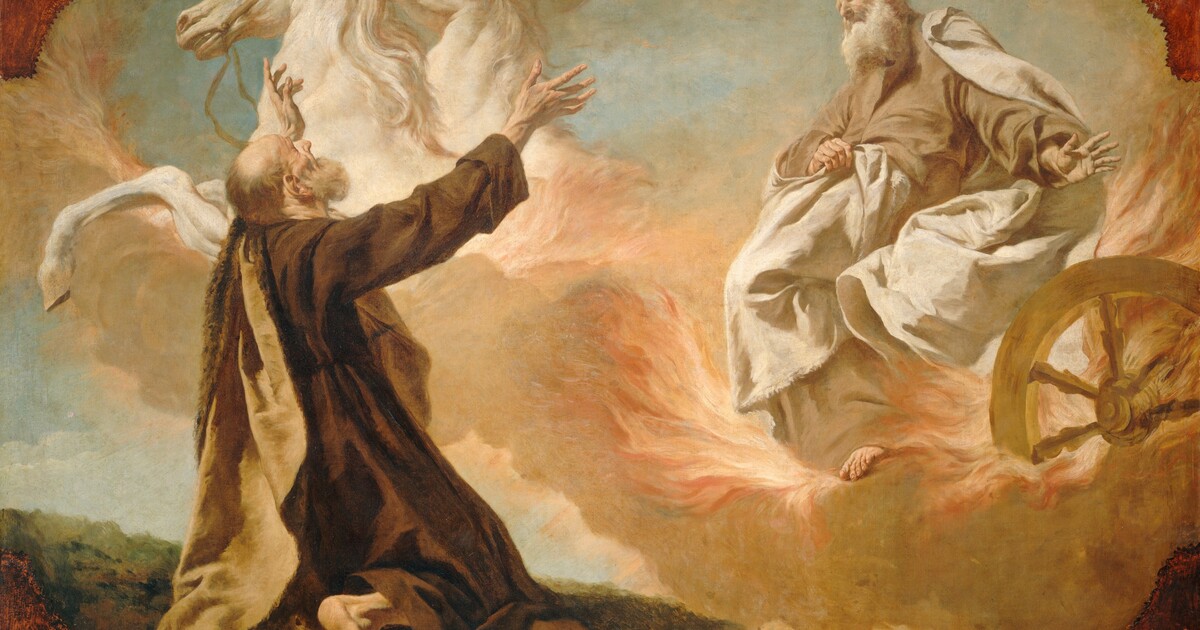
The hymn draws heavily from the Old Testament, especially the story of Elijah being carried to heaven by a chariot of fire (2 Kings 2:11). For enslaved people who were often denied formal education but deeply immersed in Scripture, the Bible became a language of interpretation and resistance.
The opening line says it plainly:
Swing low, sweet chariot,
Comin’ for to carry me home.
On the surface, this is a song about heaven. And it is. Enslaved believers genuinely longed for eternal rest, for a place beyond whips, chains, auctions, and broken families. Heaven was not escapism. It was justice deferred but trusted.
But spirituals often worked on more than one level.
“Home” Meant More Than Heaven
Many scholars and historians believe “home” also carried a double meaning. Alongside the hope of heaven was the hope of freedom. The “chariot” could represent deliverance. The “Jordan River” often symbolized the boundary between slavery and freedom, echoing Israel’s crossing into the Promised Land.
The line:
I looked over Jordan, and what did I see?
is not accidental. Enslaved people saw themselves in Israel’s story. Egypt was bondage. Pharaoh was the slave system. Moses was deliverance. Jordan was the crossing point. Canaan was freedom.
Whether the hymn was ever used as a literal coded message is debated, but what is beyond debate is this: the song allowed enslaved people to say things they could not safely say in plain speech. It allowed hope to survive.
Singing Under Surveillance
Spirituals were often sung while working, during gatherings, or in worship meetings held away from the watchful eyes of overseers. Singing was permitted. Open resistance was not. Songs became a way to speak truth without punishment.
When enslaved people sang about being “carried home,” they were not expressing laziness or resignation. They were expressing longing. They were reminding themselves that their suffering was not the final word.
In a world that tried to strip them of identity, songs like “Swing Low, Sweet Chariot” preserved memory, faith, and dignity.
The Pain Beneath the Beauty
The melody of the hymn is gentle, almost soothing. That softness can be misleading. It is not a light song. It is a tired song.
Listen to the line:
I’m sometimes up and sometimes down,
Comin’ for to carry me home.
That is not poetic moodiness. That is lived reality. Enslaved life was unpredictable. One day might bring relative calm. The next might bring violence, separation, or death. The song does not deny this instability. It names it plainly.
Yet the refrain returns. Always the chariot. Always the hope.
From Plantation to Public Stage
After the Civil War, African American spirituals began to be collected, written down, and performed publicly. The Fisk Jubilee Singers, a group formed at Fisk University in 1871, played a major role in introducing spirituals like “Swing Low, Sweet Chariot” to wider audiences in the United States and Europe.
When the Jubilee Singers performed the hymn, many white audiences heard it for the first time. Often, they admired its beauty without understanding its origin. Over time, the song moved from survival hymn to concert piece, from field song to choir arrangement.
Something was gained. Something was also lost.
A Hymn That Refuses to Be Sanitized
Even today, “Swing Low, Sweet Chariot” resists being reduced to nostalgia. It cannot be separated from the suffering that produced it. When sung slowly and honestly, it still carries lament.
It is not triumphal. It is not polished theology. It is faith spoken through exhaustion.
That is why the hymn continues to resonate in moments of grief, injustice, and longing. It does not explain suffering. It entrusts it to God.
A Theology of Defiance
The enslaved singers who first gave voice to this hymn were not powerless because they sang. They sang because they refused to surrender hope.
“Swing Low, Sweet Chariot” declares that no system of oppression has the final say. It insists that there is a greater authority than masters, markets, or laws. It confesses that God sees, God hears, and God will carry His people home, whether through freedom, death, or resurrection.
This is not resignation. It is endurance.
Why this Hymn?
Today, the hymn is sung in churches, concerts, funerals, and even sporting events. But it deserves more than casual familiarity. It deserves reverence.
To sing “Swing Low, Sweet Chariot” is to step into a story of suffering and faith. It is to remember that some of the most profound theology ever sung was written by people who had no power except their voice and their God.
The hymn teaches us that hope does not always shout. Sometimes it sways. Sometimes it waits.
And sometimes, it sings of a chariot coming low enough to reach even those the world has forgotten.
That is why the song endures. Not because it is famous, but because it is true.



No comments yet. Be the first to share your thoughts!