What Is the Lord’s Supper and Why Is It Important?
What Is the Lord’s Supper and Why Is It Important?
The Lord’s Supper, also called Communion or the Lord’s Table, is one of the two key ordinances Christ gave to His church. Unlike baptism, which is a one-time public declaration of faith, the Lord’s Supper is an ongoing remembrance of Christ’s death. It is a sacred practice for every local church, and a vital means of proclaiming and participating in the gospel.
The Apostle Paul praised the church for keeping the ordinances as delivered (1 Corinthians 11:2). The Lord’s Supper was instituted by Jesus Himself on the night He was betrayed (Matthew 26:26-28), and it has been a central part of Christian worship ever since.
The Origin of the Lord’s Supper
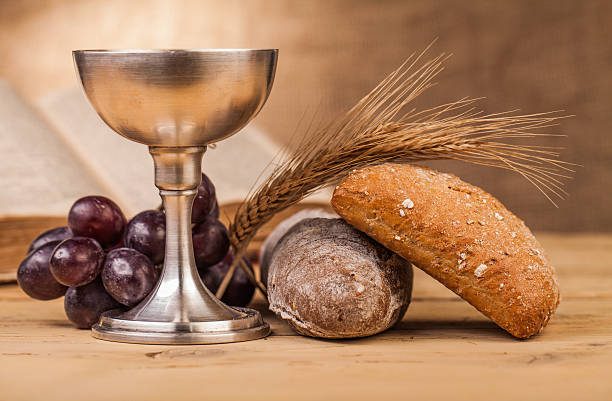
Jesus established the Lord’s Supper during His final Passover meal with His disciples. After they had eaten, He took bread and juice, gave thanks, and told them that these elements represented His body and blood, which would be given for them. He instructed them to do this “in remembrance of me” (Luke 22:19).
This act transformed the Passover feast into a new covenant memorial. Just as the Passover reminded the Jews of God’s deliverance from Egypt, the Lord’s Supper reminds Christians of God’s deliverance from sin through Christ. Jesus is “our Passover” (1 Corinthians 5:7), and in His death, He fulfilled the symbolism of the Passover lamb.
The Meaning of the Lord’s Supper
1. It Is Communion with Christ and One Another
The term “communion” speaks of fellowship. The bread and the cup represent our shared relationship with Christ and with one another (1 Corinthians 10:16-17). Eating and drinking at the Lord’s Table signifies that we are united in Christ’s sacrifice and in His body, the church. Communion is one of the deepest expressions of Christian unity.
2. It Is a Memorial of Christ’s Death
Jesus told His disciples to partake “in remembrance of me” (1 Corinthians 11:24-25). The Lord’s Supper is not a re-sacrifice of Christ, but a vivid reminder of His once-for-all atonement on the cross (Hebrews 10:10). The bread symbolizes His body that was broken for us; the cup, His blood that was shed for the remission of sins (Matthew 26:28).
Each time the church partakes of the Lord’s Supper, it proclaims the Lord’s death (1 Corinthians 11:26). It keeps the cross at the center of our faith and worship.
3. It Is a Hopeful Anticipation of Christ’s Return
Communion also looks forward to the second coming of Christ. Jesus said He would not drink of the fruit of the vine again until He drinks it new with us in His Father’s kingdom (Matthew 26:29). The Apostle Paul added that we are to observe the Lord’s Supper “till he come” (1 Corinthians 11:26). This ordinance reminds us that the story is not over—our Redeemer is returning.
How the Lord’s Supper Should Be Observed
1. As a Church Ordinance
The Lord’s Supper is a corporate event, not a private one. Paul rebuked the Corinthians for failing to “come together” properly to eat the Lord’s Supper (1 Corinthians 11:20). He emphasized that this act is meant to express the unity of the body of Christ. Five times in the chapter he uses the phrase “come together,” stressing its congregational nature.
Individual or household observances outside the church gathering miss the point of communion. It is meant to be celebrated by the local body of believers as a visible declaration of their oneness in Christ (1 Corinthians 10:17).
2. As a Symbolic Event
The elements of communion are symbolic. The bread and juice represent the body and blood of Christ, but they do not become them. Jesus used bread and juice to illustrate His sacrifice, and He called them such even while standing before His disciples. He did not mean them to be taken literally (see Matthew 26:29; 1 Corinthians 11:26-28).
The Roman Catholic view of transubstantiation and the continual sacrifice of Christ in the Mass contradicts the Bible’s clear teaching that Christ offered Himself once for all (Hebrews 10:10-14). Communion is a memorial, not a mystical reenactment.
3. With Joy and Thanksgiving
Though the Lord’s Supper is solemn, it is not sorrowful. It is a celebration of Christ’s love and victory. Jesus gave thanks when He instituted it (Matthew 26:27), and the early church partook “with gladness and singleness of heart” (Acts 2:46). Communion should stir gratitude, not guilt.
While self-examination is part of proper participation (1 Corinthians 11:28), it is not about confessing all your sins before taking the bread and cup. Paul’s warning against eating “unworthily” refers to those who treated the Lord’s Supper as a common meal, neglecting its sacred meaning and disregarding fellow believers (1 Corinthians 11:20-22, 29).
The focus of communion is not on your sinfulness, but on Christ’s sufficiency. It is “in remembrance of me,” not “in remembrance of your sins.”
The Right Attitude in Communion
-
Discernment: Know what the Lord’s Supper represents—Christ’s sacrifice and the unity of the church.
-
Reverence: Treat the elements as sacred symbols of spiritual realities, not religious tokens.
-
Love: Share the table with other believers in humility and harmony.
-
Joy: Rejoice in the finished work of Christ and look forward to His return.
Let Us Conclude With This:
The Lord’s Supper is a beautiful and meaningful ordinance that calls us to remember Christ’s sacrifice, rejoice in our fellowship with Him and each other, and look forward to His glorious return. It is not an empty ritual, but a spiritual feast for those who have been saved by grace.
If you are a believer in Jesus Christ, regularly gather with your local church to observe this sacred ordinance. Do it with understanding, reverence, and joy. Let the broken bread and poured cup remind you that your salvation is finished, your sins are forgiven, and your Savior is coming again.
1 Corinthians 11:26 – “For as often as ye eat this bread, and drink this cup, ye do shew the Lord’s death till he come.”


No comments yet. Be the first to share your thoughts!