






Easter vs Passover: How a Biblical Feast Bec…
Mar 27, 2026
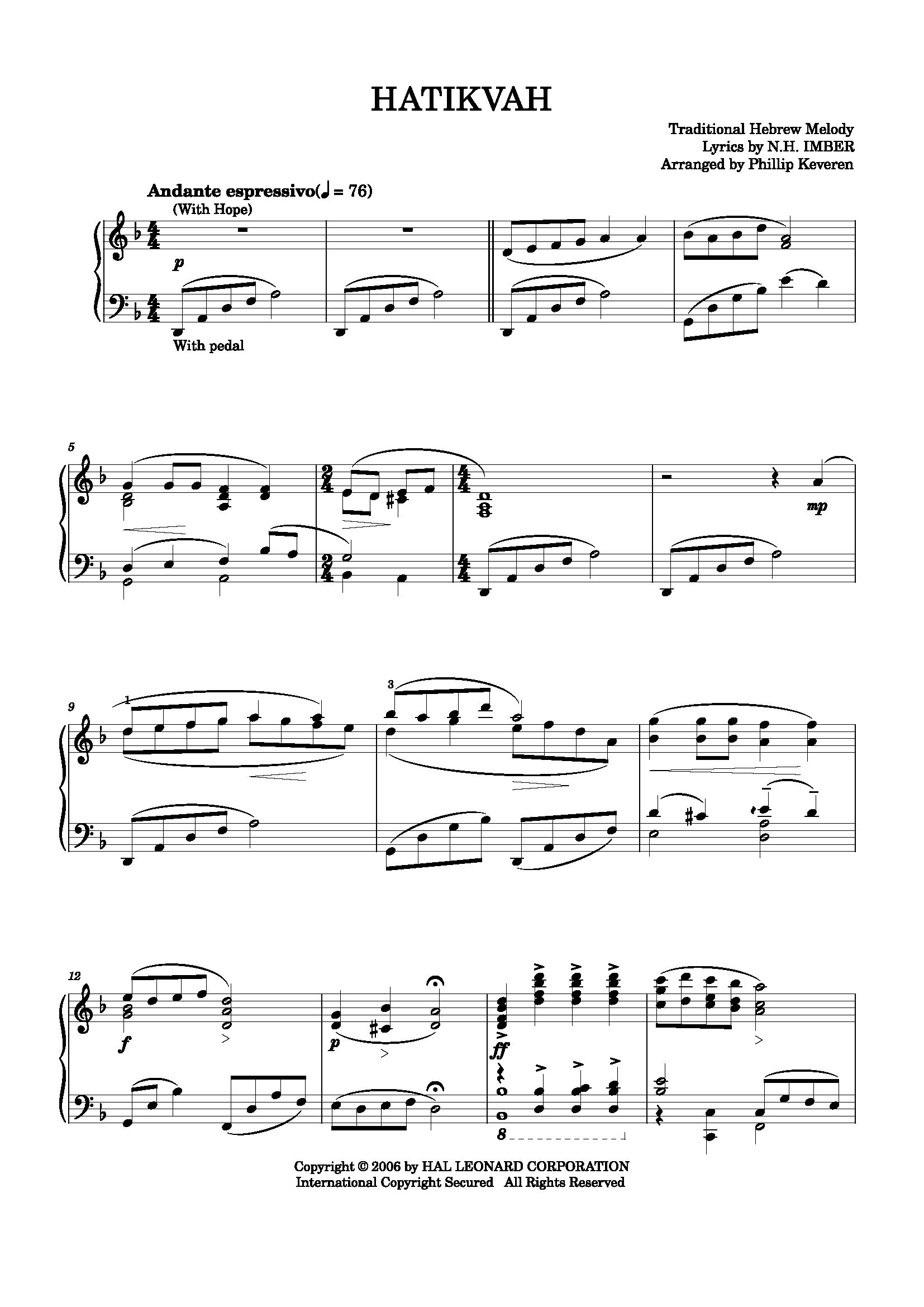
Hatikvah (The Hope)
Lyrics
1. Our hope is not yet lost,
The ancient hope,
To return to the land of our fathers;
The city where David encamped.
The ancient hope,
To return to the land of our fathers;
The city where David encamped.
2. As long as in his heart within,
A soul of a Jew still yearns,
And onwards towards the ends of the east,
His eye still looks towards Zion.
A soul of a Jew still yearns,
And onwards towards the ends of the east,
His eye still looks towards Zion.
3. As long as tears from our eyes
Flow like benevolent rain,
And throngs of our countrymen
Still pay homage at the graves of our fathers.
Flow like benevolent rain,
And throngs of our countrymen
Still pay homage at the graves of our fathers.
4. As long as our precious Wall
Appears before our eyes,
And over the destruction of our Temple
An eye still wells up with tears.
Appears before our eyes,
And over the destruction of our Temple
An eye still wells up with tears.
5. As long as the waters of the Jordan
In fullness swell its banks,
And down to the Sea of Galilee
With tumultuous noise fall.
In fullness swell its banks,
And down to the Sea of Galilee
With tumultuous noise fall.
6. As long as on the barren highways
The humbled city-gates mark,
And among the ruins of Jerusalem
A daughter of Zion still cries.
The humbled city-gates mark,
And among the ruins of Jerusalem
A daughter of Zion still cries.
7. As long as pure tears
Flow from the eye of a daughter of my nation
And to mourn for Zion at the watch of night
She still rises in the middle of the nights.
Flow from the eye of a daughter of my nation
And to mourn for Zion at the watch of night
She still rises in the middle of the nights.
8. As long as the feeling of love of nation
Throbs in the heart of a Jew,
We can still hope even today
That a wrathful God may have mercy on us.
Throbs in the heart of a Jew,
We can still hope even today
That a wrathful God may have mercy on us.
9. Hear, oh my brothers in the lands of exile,
The voice of one of our visionaries,
[Who declares] that only with the very last Jew,
Only there is the end of our hope!
The voice of one of our visionaries,
[Who declares] that only with the very last Jew,
Only there is the end of our hope!
Bible Reference
Psalm 126:1-2; Jeremiah 31:16-17; Isaiah 66:13
About This Hymn
“Hatikvah,” meaning “The Hope,” is a poem written in 1886 by Naftali Herz Imber, a Jewish poet and journalist born in Galicia. While not originally composed as a hymn, it became the basis for the national anthem of the modern State of Israel. The text expresses the enduring hope of the Jewish people to return to their ancestral homeland and live freely in their own land, a longing rooted in centuries of exile.
The poem’s central theme is hope, reflecting the promise of restoration found in Scripture. Psalm 126:1-2 describes the joy of Zion’s restoration: “When the Lord turned again the captivity of Zion, we were like them that dream” (KJV). Imber’s words capture this longing for national revival, emphasizing the emotional depth of exile and the persistent dream of return.
Jeremiah 31:16-17 reassures the people that God has not forsaken them, promising that their children will return from exile. Similarly, Hatikvah articulates the belief that despite centuries of suffering, the Jewish spirit remained unbroken, holding fast to the vision of a homeland in Zion.
Isaiah 66:13, which speaks of comfort and consolation from God, resonates with the poem’s expression of emotional yearning and spiritual encouragement. The hope described in Hatikvah is not only for physical return but also for spiritual and cultural renewal, echoing biblical promises of God’s faithfulness to His people.
“Hatikvah” gained prominence as a unifying expression of Jewish identity in the late 19th and early 20th centuries, eventually being adopted as the official national anthem of Israel in 1948. Its simple, poignant message continues to inspire a sense of hope, resilience, and continuity among the Jewish people worldwide. Through its poetic language and vivid imagery, the text captures both the sorrow of exile and the joy of anticipated restoration, making it a powerful hymn of hope in both national and spiritual contexts.

📬 Subscribe to Our Devotional Updates
Receive weekly hymns, devotionals, and website features directly in your inbox.
✅ Thank you! You'll start receiving our updates soon.
⭐ Recommend This Hymn
Share this beautiful hymn with others
This hymn is found in these hymnals
Open the hymnal that contains this hymn:
Latest Updated Hymnals
Hymn Information
- Category: Hymn
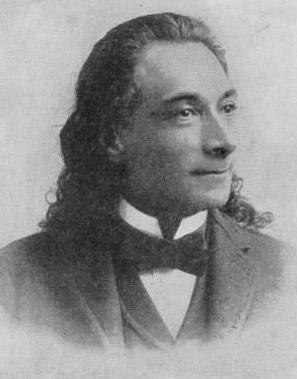
- Author/Writer: Naftali Herz Imber (1878)
- Added: April 7, 2026
- Last Updated: April 7, 2026
- Views: 17
To view the author's biography, click their name above.
MIDI File
Ready to load
Download MIDI
Popular Hymns
Recent Blog Posts



Popular Blog Posts





Visit Us on Social Media
Latest from X (Twitter)
Tweets by HymnalLibraryLatest from Facebook
Latest on YouTube
Loading latest video...
Daily Bible Verse
Disclaimer
The hymns, sheet music, MIDI files, and related content on this website are provided for educational and research purposes only.
- Public Domain: Many of the hymns featured here are in the public domain and may be freely used.
- Copyrighted Works: Some hymns may still be under copyright protection. Where applicable, permission has either been requested from the copyright owner, or the content is shared under the principles of fair use for educational purposes.
⚠️ Important Notice: If you wish to reproduce, distribute, or use any copyrighted hymn beyond personal study or educational use, you must obtain permission directly from the copyright holder. This website does not grant any rights for commercial use yet.
If there is any other question please address it to us in our Contact Page, for further assistance. Thank you for using the site. May God Bless You.