

Top 20 Hymns About Glorifying and Worshippin…
Feb 20, 2026
I Asked the Lord That I Might Grow
By John Newton
Lyrics
1. I asked the Lord that I might grow
In faith, and love, and ev'ry grace,
Might more of his salvation know,
And seek more earnestly his face.
In faith, and love, and ev'ry grace,
Might more of his salvation know,
And seek more earnestly his face.
2. 'Twas he who taught me thus to pray,
And he, I trust, has answered prayer,
But it has been in such a way
As almost drove me to despair.
And he, I trust, has answered prayer,
But it has been in such a way
As almost drove me to despair.
3. I hoped that in some favored hour,
At once he'd answer my request,
And by his love's constraining power,
Subdue my sins and give me rest.
At once he'd answer my request,
And by his love's constraining power,
Subdue my sins and give me rest.
4. Instead of this, he made me feel
The hidden evils of my heart
And let the angry powers of Hell
Assault my soul in every part.
The hidden evils of my heart
And let the angry powers of Hell
Assault my soul in every part.
5. Yea, more with his own hand he seemed
Intent to aggravate my woe,
Crossed all the fair designs I schemed,
Cast out my feelings, laid me low.
Intent to aggravate my woe,
Crossed all the fair designs I schemed,
Cast out my feelings, laid me low.
6. Lord, “Why is this?” I trembling cried,
“Will you pursue your worm to death?”
“’Tis in this way,” The Lord replied,
“I answer prayer for grace and faith.”
“Will you pursue your worm to death?”
“’Tis in this way,” The Lord replied,
“I answer prayer for grace and faith.”
7. “These inward trials I employ
From self and pride to set you free
And break your schemes of earthly joy
That you would seek your all in me.”
From self and pride to set you free
And break your schemes of earthly joy
That you would seek your all in me.”
Bible Reference
James 1:2-4; Romans 5:3-5; Hebrews 12:5-11; 2 Corinthians 12:7-10
About This Hymn
I Asked the Lord That I Might Grow is a deeply searching hymn written by John Newton and first published in 1779 in Olney Hymns, the influential collection he prepared with William Cowper. Newton, best known for “Amazing Grace,” was a former slave trader turned Anglican pastor whose hymns often reflect his own painful yet sanctifying spiritual journey. This hymn stands as one of the clearest examples of his pastoral realism and experiential theology.
The hymn is structured around a prayer and God’s unexpected answer to it. Newton begins with a sincere desire for spiritual growth, holiness, and freedom from sin. The request itself is biblical and commendable, echoing passages such as James 1:2-4, where trials are shown to produce patience and maturity. However, as the hymn unfolds, Newton shows that God’s method of answering such prayers often contradicts human expectations. Rather than immediate comfort or visible progress, the believer encounters trials, inward struggles, and a painful exposure of pride and self-reliance.
This tension reflects the biblical teaching of Romans 5:3-5, where tribulation produces perseverance and hope, and Hebrews 12:5-11, which presents God’s discipline as a mark of loving sonship. Newton portrays God as a wise Father who is more concerned with true holiness than temporary ease. The trials described in the hymn are not signs of divine displeasure but instruments of grace, designed to drive the believer away from self-confidence and toward complete dependence on Christ.
A key theological emphasis of the hymn is the destruction of spiritual pride. Newton makes clear that growth in grace often involves the painful removal of false supports. This theme aligns closely with 2 Corinthians 12:7-10, where Paul learns that Christ’s strength is made perfect in weakness. By allowing the believer to feel their helplessness, God teaches them to rest fully in His sufficiency.
I Asked the Lord That I Might Grow has endured because of its honesty. It gives language to the confusion many believers experience when sincere prayers seem to lead to hardship rather than relief. Newton reassures the singer that such experiences are not wasted or accidental. Instead, they are evidence of God’s faithful work, answering prayer in a deeper and wiser way than the believer first imagined. The hymn remains a valuable corrective to shallow views of spiritual growth and a comforting guide for Christians walking through seasons of testing, reminding them that the Lord is accomplishing His good purpose even through painful means.


📬 Subscribe to Our Devotional Updates
Receive weekly hymns, devotionals, and website features directly in your inbox.
✅ Thank you! You'll start receiving our updates soon.
⭐ Recommend This Hymn
Share this beautiful hymn with others
Latest Updated Hymnals
Hymn Information
- Category: Hymn
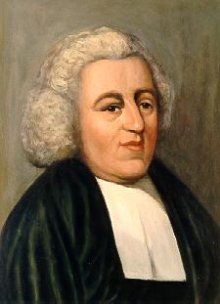
- Author/Writer: John Newton (1779)
- Added: February 2, 2026
- Last Updated: February 2, 2026
- Views: 102
To view the author's biography, click their name above.
MIDI File
Ready to load
Download MIDI
Popular Hymns
Recent Blog Posts



Popular Blog Posts




Visit Us on Social Media
Latest from X (Twitter)
Tweets by HymnalLibraryLatest from Facebook
Latest on YouTube
Loading latest video...
Daily Bible Verse
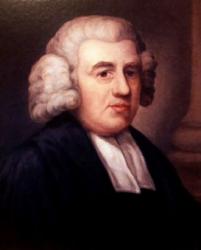 John Newton (1725–1807) was an English Anglican cleric, hymn writer, and prominent figure in the evangelical movement whose life story of conversion and service has inspired Christians for centuries. He was born in Wapping, London, England, on July 24, 1725, into a Christian home, but his mother died when he was young, and he went to sea with his father at age eleven. As a youth and young man he lived a reckless life at sea, was pressed into service in the Royal Navy, and later worked aboard slave ships in the trans-Atlantic slave trade, even becoming a ship’s captain for years. A severe storm at sea in 1748 led him to cry out to God and marked the beginning of his spiritual turning toward Christ, a change that grew more fully over subsequent years.
Disclaimer
The hymns, sheet music, MIDI files, and related content on this website are provided for educational and research purposes only.
- Public Domain: Many of the hymns featured here are in the public domain and may be freely used.
- Copyrighted Works: Some hymns may still be under copyright protection. Where applicable, permission has either been requested from the copyright owner, or the content is shared under the principles of fair use for educational purposes.
⚠️ Important Notice: If you wish to reproduce, distribute, or use any copyrighted hymn beyond personal study or educational use, you must obtain permission directly from the copyright holder. This website does not grant any rights for commercial use yet.
If there is any other question please address it to us in our Contact Page, for further assistance. Thank you for using the site. May God Bless You.