



13 Traditional Hymns for Easter Sunday
Mar 12, 2026
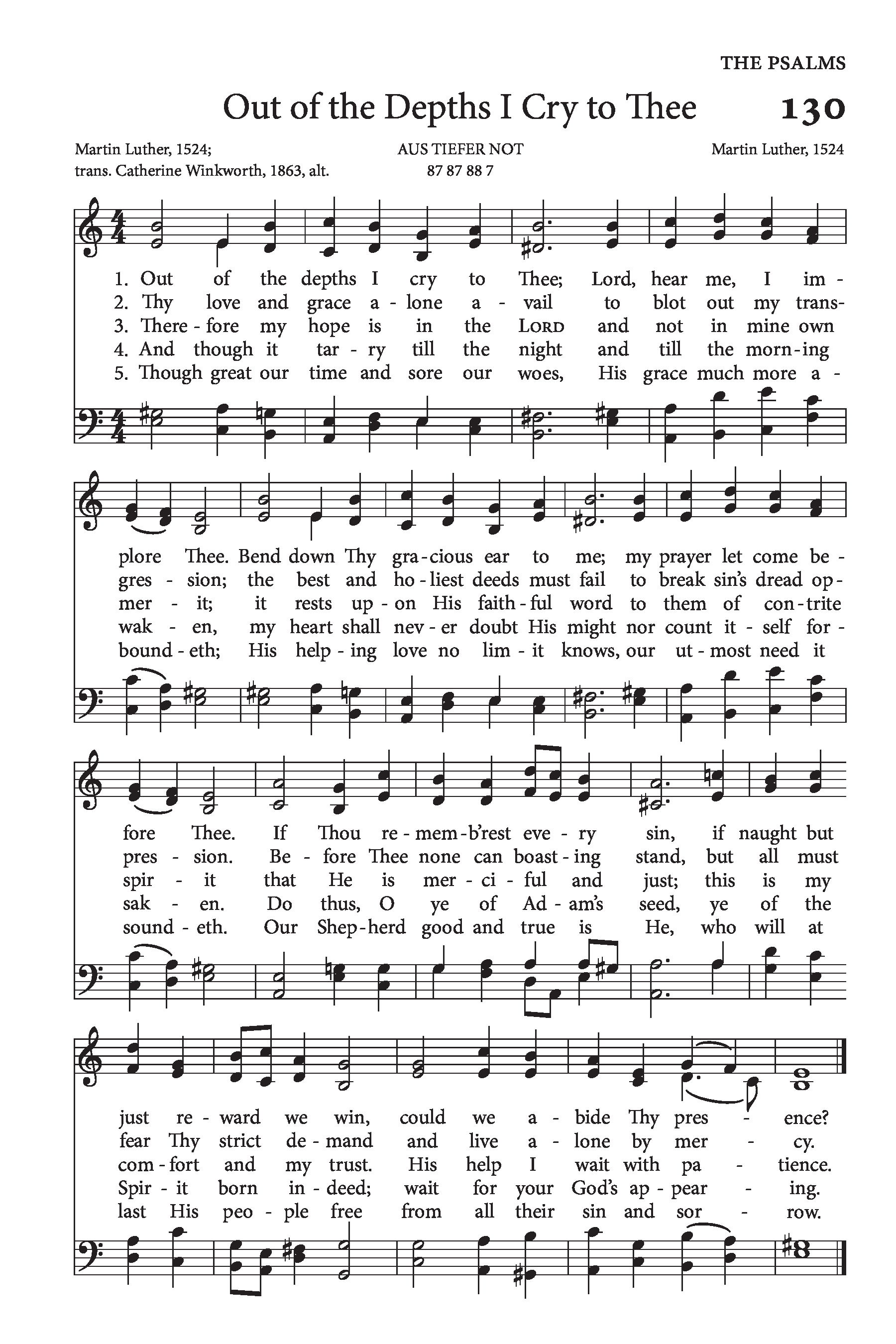
Out of the depths I cry to Thee
Lyrics
1. From depths of woe I cry to Thee,
Lord, hear me, I implore Thee.
Bend down Thy gracious ear to me;
my prayer let come before Thee.
If Thou rememb'rest every sin,
if naught but just reward we win,
could we abide Thy presence?
Lord, hear me, I implore Thee.
Bend down Thy gracious ear to me;
my prayer let come before Thee.
If Thou rememb'rest every sin,
if naught but just reward we win,
could we abide Thy presence?
2. Thy love and grace alone avail
to blot out my transgression;
the best and holiest deeds must fail
to break sin's dread oppression.
Before Thee none can boasting stand,
but all must fear Thy strict demand
and live alone by mercy.
to blot out my transgression;
the best and holiest deeds must fail
to break sin's dread oppression.
Before Thee none can boasting stand,
but all must fear Thy strict demand
and live alone by mercy.
3. Therefore my hope is in the LORD
and not in mine own merit;
it rests upon His faithful word
to them of contrite spirit
that He is merciful and just;
this is my comfort and my trust.
His help I wait with patience.
and not in mine own merit;
it rests upon His faithful word
to them of contrite spirit
that He is merciful and just;
this is my comfort and my trust.
His help I wait with patience.
4. And though it tarry till the night
and till the morning waken,
my heart shall never doubt His might
nor count itself forsaken.
Do thus, O ye of Adam's seed,
ye of the Spirit born indeed;
wait for your God's appearing.
and till the morning waken,
my heart shall never doubt His might
nor count itself forsaken.
Do thus, O ye of Adam's seed,
ye of the Spirit born indeed;
wait for your God's appearing.
5. Though great our time and sore our woes,
His grace much more aboundeth;
His helping love no limit knows,
our utmost need it soundeth.
Our Shepherd good and true is He,
who will at last His people free
from all their sin and sorrow.
His grace much more aboundeth;
His helping love no limit knows,
our utmost need it soundeth.
Our Shepherd good and true is He,
who will at last His people free
from all their sin and sorrow.
Bible Reference
Psalm 130
About This Hymn
“Out of the Depths I Cry to Thee” is Martin Luther’s powerful metrical paraphrase of Psalm 130, one of the penitential psalms that gives voice to the believer’s cry for mercy from the depths of sin, sorrow, and spiritual distress. Written during the early years of the Reformation, this hymn reflects Luther’s deep pastoral concern for troubled consciences and his firm confidence in the gospel of grace. Drawing directly from the language and theology of Psalm 130, Luther presents a prayer that is both intensely personal and richly doctrinal.
The hymn begins with a desperate appeal to God, acknowledging the depth of human need and the inability of sinners to stand before a holy God on their own merits. Luther does not soften the reality of guilt, but instead confronts it honestly, confessing that if God were to mark iniquities, no one could stand. This realism about sin is matched by an equally strong emphasis on divine mercy. The psalm’s declaration that forgiveness is found with God becomes the central hope of the hymn, leading not to fear, but to reverent trust.
A key theme throughout the hymn is waiting upon the Lord. Luther expands the psalmist’s imagery of watchmen waiting for the morning, portraying faith as patient reliance on God’s sure word rather than on human effort or emotional assurance. This waiting is not passive resignation, but active trust grounded in God’s promises. The hymn points believers away from works, satisfactions, or human righteousness, and directs them wholly to God’s redeeming grace.
The closing stanzas widen the focus from the individual soul to the whole people of God, calling Israel, and by extension the Church, to hope in the Lord. God’s redemption is portrayed as abundant and complete, capable of delivering His people from all their iniquities. In this way, the hymn moves from personal lament to communal assurance.
“Out of the Depths I Cry to Thee” stands as one of the earliest and finest examples of Reformation congregational song. It unites confession, faith, and hope in Christ, teaching believers to bring their deepest fears before God while resting confidently in His forgiving mercy.

📬 Subscribe to Our Devotional Updates
Receive weekly hymns, devotionals, and website features directly in your inbox.
✅ Thank you! You'll start receiving our updates soon.
⭐ Recommend This Hymn
Share this beautiful hymn with others
Latest Updated Hymnals
Hymn Information
- Category: Hymn
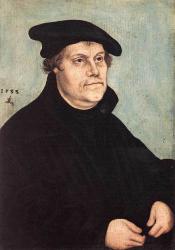
- Author/Writer: Martin Luther (1524)
- Added: January 22, 2026
- Last Updated: January 22, 2026
- Views: 337
To view the author's biography, click their name above.
MIDI File
Ready to load
Download MIDI
Popular Hymns
Recent Blog Posts




Popular Blog Posts





Visit Us on Social Media
Latest from X (Twitter)
Tweets by HymnalLibraryLatest from Facebook
Latest on YouTube
Loading latest video...
Daily Bible Verse
Disclaimer
The hymns, sheet music, MIDI files, and related content on this website are provided for educational and research purposes only.
- Public Domain: Many of the hymns featured here are in the public domain and may be freely used.
- Copyrighted Works: Some hymns may still be under copyright protection. Where applicable, permission has either been requested from the copyright owner, or the content is shared under the principles of fair use for educational purposes.
⚠️ Important Notice: If you wish to reproduce, distribute, or use any copyrighted hymn beyond personal study or educational use, you must obtain permission directly from the copyright holder. This website does not grant any rights for commercial use yet.
If there is any other question please address it to us in our Contact Page, for further assistance. Thank you for using the site. May God Bless You.