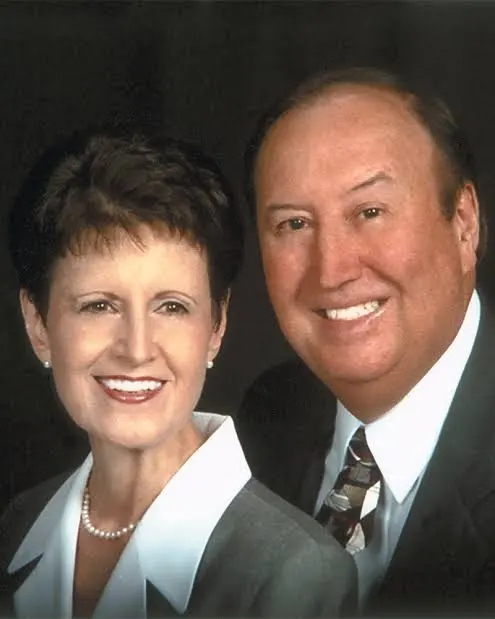
Carey Landry
Hymn writer & lyricist
About Carey Landry
Carey Landry (born 1944) is an American Catholic composer, songwriter, and liturgical musician widely known for his significant contribution to contemporary worship music, especially within the post–Vatican II renewal of Roman Catholic liturgy. Born in the United States in 1944, Landry grew up during a period of major transition in Catholic worship, when the Church was moving from strictly Latin liturgy toward greater use of vernacular language and congregational participation. This environment strongly influenced his musical direction, as he became part of a generation of composers dedicated to creating accessible, singable, and theologically grounded music for modern worship communities.
Landry is best known for his work in the 1960s and 1970s, a time when Catholic liturgical music underwent dramatic renewal following the Second Vatican Council (1962–1965). This council encouraged full and active participation of the laity in worship, which created a strong demand for new hymns and songs that could be easily sung by congregations rather than trained choirs alone. In response to this need, Landry developed a distinctive style of simple melodic structures combined with direct, devotional lyrics that emphasized prayer, scripture, and communal worship.
Among his most widely used compositions is the hymn “Peace Is Flowing Like a River,” a song that became especially popular in youth ministry, charismatic Catholic renewal movements, and ecumenical worship gatherings. The hymn’s repetitive structure and gentle imagery made it easy for congregations to learn and sing, which contributed to its rapid spread across churches in North America and beyond. Another well-known piece, “I Will Never Forget You, My People,” reflects themes of divine faithfulness and covenant love, drawing heavily on biblical language and prophetic imagery. These works demonstrate Landry’s focus on making scriptural truths accessible through music that is both simple and emotionally expressive.
Throughout his career, Landry has composed a large body of liturgical songs, many of which are still included in Catholic hymnals and worship collections today. His texts often emphasize themes such as peace, reconciliation, the presence of Christ in community, and the call to discipleship. Songs like “Mold Us, Mold Us and Fashion Us” and “No Longer Strangers to Each Other” highlight his concern for spiritual formation and unity within the church. His writing style tends to be pastoral and reflective, designed to support prayerful participation rather than performance.
Landry’s work is also closely associated with the broader “folk Mass” movement of the 1960s and 1970s, which sought to incorporate contemporary musical styles into liturgical settings. Alongside other composers of the era, he helped bridge traditional hymnody with modern musical expressions, often using guitar accompaniment and simple harmonic progressions that made worship more accessible to younger congregations. While this style was sometimes debated within liturgical circles, it nevertheless played a major role in shaping contemporary Catholic worship music in the late twentieth century.
Despite the evolution of liturgical music styles over time, many of Landry’s compositions remain in use, especially in parishes and communities that value participatory and accessible worship music. His contributions reflect a broader movement within the church toward active congregational involvement and the use of music as a means of teaching, prayer, and communal identity.
Carey Landry stands as an important figure in modern Catholic hymnody, whose work helped define the sound of post–Vatican II worship. Through simple yet meaningful musical expressions, he contributed to a lasting transformation in how congregations engage with liturgical song, leaving a legacy that continues to influence church music today.
Hymns by Carey Landry
| # | Title | Year | Views | |
|---|---|---|---|---|
| 1 | A butterfly, an Easter egg (Signs of new life) | 1979 | 596 | View |