About Ebenezer Elliott
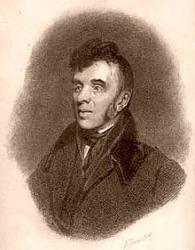
Full Name: Ebenezer Elliott
Birth/Death: 1781–1849
Ebenezer Elliott, widely remembered as the “Corn Law Rhymer,” was an English poet and social reformer, born near Rotherham, Yorkshire, in 1781. Spending most of his life in Sheffield, Elliott worked in the iron trade while cultivating a passion for literature and social commentary. His poetic career began with contributions to local newspapers, where his verses often addressed both aesthetic and political concerns, reflecting a commitment to social justice and the welfare of the working class.
Elliott’s literary output includes major works such as Night, a Descriptive Poem (1818), The Village Patriarch (1829), and Corn Law Rhymes (1831), a series of politically charged poems advocating for the repeal of the Corn Laws, which imposed tariffs on imported grain and caused widespread hardship among England’s poor. He also published Poems (1834) and the posthumous More Prose and Verse (1850). While primarily remembered for his political poetry, some of his writings have been adapted into hymn forms, especially within Unitarian collections, including pieces like “Another year is swallowed by the sea,” intended for reflection during the old and new year.
Elliott’s work blends literary craftsmanship with social conscience, using rhythm, vivid imagery, and moral urgency to convey both spiritual and societal themes. His engagement with the struggles of ordinary people and his advocacy for reform earned him a lasting reputation in both literary and social history. He died in Barnsley, Yorkshire, in 1849, leaving a legacy that continues to inspire through its combination of poetic artistry and moral conviction.