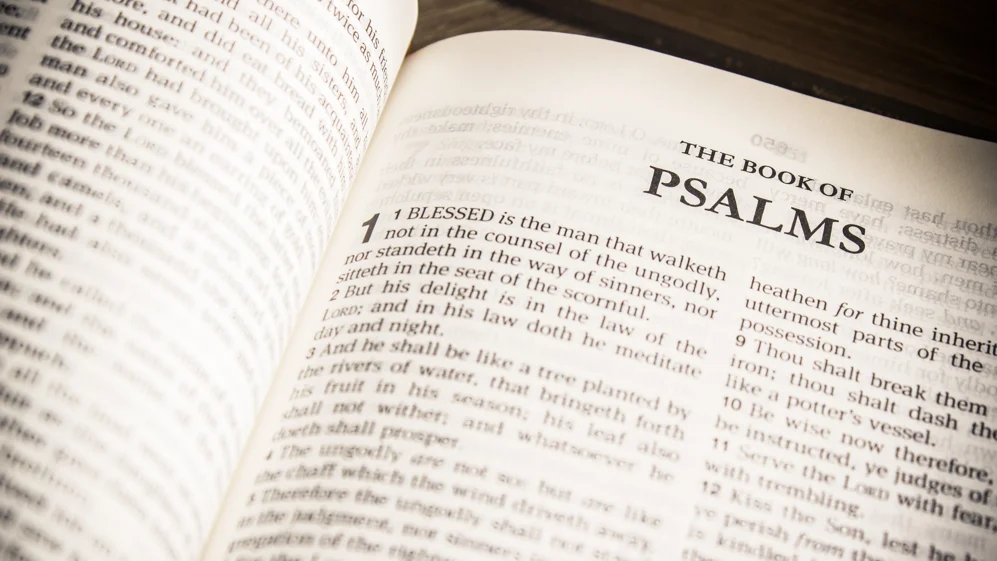
The Book of Psalms Explained
Known as the “prayer book of Israel” or “the hymnbook of the Bible,” it contains 150 individual psalms that cover a wide range of human experiences and emotions. The Psalms provide guidance, comfort, and instruction for every season of life, offering believers a blueprint for worship, prayer, and dependence on God.
Authorship and Structure
Traditionally, many psalms are attributed to King David, the shepherd-king of Israel, who wrote from personal experience of God’s faithfulness, guidance, and judgment. Other authors include Asaph, the sons of Korah, Solomon, Moses, Heman, and Ethan. Each psalm reflects a unique perspective and occasion, but all share a devotion to God and a desire to communicate with Him.
The Book of Psalms is structured into five books:
-
Book 1 (Psalms 1–41) – Focuses on God’s deliverance and David’s personal laments and praises.
-
Book 2 (Psalms 42–72) – Includes prayers for restoration, reflections on God’s sovereignty, and communal worship.
-
Book 3 (Psalms 73–89) – Highlights the struggles of Israel, God’s justice, and the consequences of sin.
-
Book 4 (Psalms 90–106) – Emphasizes God’s eternal nature, faithfulness, and His sovereignty over nations.
-
Book 5 (Psalms 107–150) – Contains hymns of thanksgiving, praise, and the anticipation of God’s ultimate reign.
This structure mirrors the five books of the Torah (Genesis through Deuteronomy), emphasizing God’s law, promises, and covenant with His people.
Themes of the Psalms
The Psalms cover a wide spectrum of human experience, but several major themes stand out:
1. Praise and Worship
Many psalms are hymns of praise, glorifying God for His attributes, creation, and mighty works. Psalm 145:3 declares, “Great is the LORD, and greatly to be praised; and his greatness is unsearchable.”
Praise in the psalms is not just about joy or happiness; it is a deliberate act of acknowledging God’s holiness, sovereignty, and faithfulness. Worship through psalms invites believers to focus on God rather than their circumstances.
2. Lament and Confession
The Psalms also contain heartfelt laments. They give voice to sorrow, grief, fear, and confusion while pointing believers toward God. Psalm 13:1-2 reflects the depth of human despair: “How long, O LORD? wilt thou forget me forever? How long wilt thou hide thy face from me?”
Laments are not complaints against God but honest expressions of human emotion. They teach believers that it is acceptable to bring doubts and struggles before God while trusting in His mercy and justice.
3. Trust and Confidence in God
Trust in God is a recurring theme. Many psalms affirm that God is our refuge, strength, and deliverer. Psalm 23:1-4 is perhaps the most famous example: “The LORD is my shepherd; I shall not want. He maketh me to lie down in green pastures… Yea, though I walk through the valley of the shadow of death, I will fear no evil: for thou art with me.”
The psalms teach believers to rely on God during trials, knowing that His presence and guidance are constant.
4. God’s Justice and Judgment
Some psalms emphasize God’s justice against wickedness. Psalm 37:28 declares, “For the LORD loveth judgment, and forsaketh not his saints; they are preserved forever: but the seed of the wicked shall be cut off.”
These passages remind believers that God sees all actions, punishes evil, and rewards righteousness. They encourage patience and trust in God’s timing, even when justice seems delayed.
5. Prophecy and Messianic Hope
Several psalms point forward to the coming Messiah. Psalm 2 speaks of the Lord’s anointed king and the establishment of His rule, while Psalm 22 vividly describes the suffering of Christ, quoting: “My God, my God, why hast thou forsaken me?”
The psalms reveal God’s redemptive plan and point believers to Jesus Christ as the ultimate fulfillment of God’s promises.
6. Instruction and Wisdom
Psalms also teach the righteous way to live. Psalm 1:1-2 contrasts the path of the righteous and the wicked: “Blessed is the man that walketh not in the counsel of the ungodly… but his delight is in the law of the LORD; and in his law doth he meditate day and night.”
These passages encourage meditation on God’s Word, obedience to His commands, and a lifestyle that honors Him.
How the Psalms Speak to Believers Today
The Book of Psalms is not just ancient poetry. It is deeply practical for modern believers:
-
Prayer and Communication with God – The psalms provide a template for prayer, including praise, confession, petition, and thanksgiving. Believers can use them as models for speaking honestly to God about their lives.
-
Comfort in Trials – When facing loss, fear, or injustice, psalms such as Psalm 46 or Psalm 91 remind us of God’s protection and presence.
-
Encouragement for Worship – The psalms teach that worship is not only for Sundays but for everyday life. They encourage gratitude, reflection, and acknowledgment of God’s greatness.
-
Guidance for Moral Living – By meditating on the psalms, believers are reminded to live righteously, trust God’s plan, and pursue justice and mercy.
-
Hope in God’s Promises – Messianic psalms point to Christ and His ultimate victory, giving believers hope that transcends earthly circumstances.
The Book of Psalms is a timeless gift from God, providing a rich blend of poetry, prayer, worship, and prophecy. It teaches believers how to express every human emotion before God, how to trust Him in difficulty, and how to live in obedience to His will. Through praise, lament, instruction, and prophetic hope, the psalms draw believers into deeper fellowship with God.
The Psalms invite all Christians to bring their hearts fully before God, knowing that He listens, understands, and acts according to His perfect wisdom and love.
The Psalms teach that life with God is both honest and hopeful. Believers can lament without despair, rejoice without arrogance, and seek God’s guidance while trusting His sovereign plan. The Book of Psalms remains as relevant today as it was thousands of years ago, offering a spiritual roadmap for prayer, worship, and daily living in a world that desperately needs God’s presence.



No comments yet. Be the first to share your thoughts!