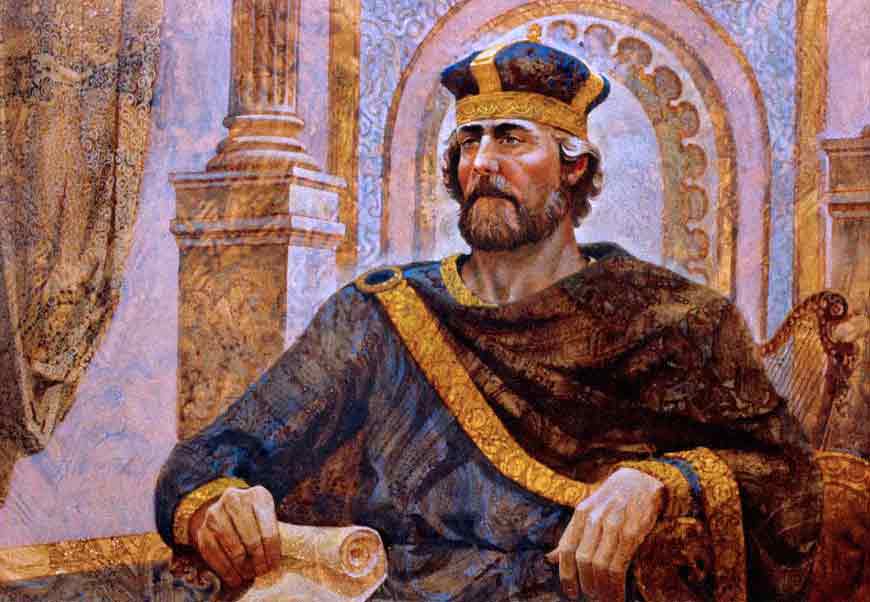
The Kings of Judah
The Kingdom of Judah was the southern kingdom of Israel after the nation divided following the death of Solomon. While the northern kingdom of Israel was ruled by many dynasties, Judah was uniquely ruled by one royal line only, the house of David. This fulfilled God’s covenant promise that David’s throne would endure, ultimately pointing forward to Jesus Christ, the Son of David and eternal King.
Judah existed from about 931 BC until its fall to Babylon in 586 BC. During this time, Judah was ruled by twenty kings. Some honored the Lord and led the nation toward reform, while others plunged the people deeper into idolatry and judgment.
The Line of David
God promised David that his descendants would rule Judah.
“Thine house and thy kingdom shall be established for ever before thee: thy throne shall be established for ever.” (2 Samuel 7:16, KJV)
Because of this covenant, every king of Judah was a descendant of David, even during times of great spiritual decline.
The Kings of Judah
1. Rehoboam
Reign: c. 931 to 913 BC
Type: Bad king
(Allowed idolatry, tolerated high places, led nation into apostasy, pride caused kingdom division)
2. Abijah (Abijam)
Reign: c. 913 to 911 BC
Type: Mostly bad king
(Walked in sins of his father, tolerated idols, yet acknowledged the Lord during war)
3. Asa
Reign: c. 911 to 870 BC
Type: Good king
(Removed idols, restored worship, but relied on Syria instead of God later in life)
4. Jehoshaphat
Reign: c. 870 to 848 BC
Type: Good king
(Promoted teaching of the Law, but allied with wicked King Ahab)
5. Jehoram
Reign: c. 848 to 841 BC
Type: Bad king
(Murdered his brothers, promoted Baal worship, led Judah into immorality)
6. Ahaziah
Reign: c. 841 BC
Type: Bad king
(Followed house of Ahab, idolatry, wicked counsel)
7. Athaliah (Queen, not Davidic king)
Reign: c. 841 to 835 BC
Type: Extremely wicked
(Murdered royal heirs, usurped throne, promoted Baal worship)
8. Joash (Jehoash)
Reign: c. 835 to 796 BC
Type: Good then bad
(Restored the temple early, later turned to idolatry and murdered priest Zechariah)
9. Amaziah
Reign: c. 796 to 767 BC
Type: Mixed king
(Obeyed God partially, worshiped Edomite gods, pride led to military defeat)
10. Uzziah (Azariah)
Reign: c. 767 to 740 BC
Type: Good king
(Sought God, strengthened Judah, later pridefully entered priestly duties and was struck with leprosy)
11. Jotham
Reign: c. 750 to 732 BC
Type: Good king
(Did right before the Lord, but people remained corrupt)
12. Ahaz
Reign: c. 732 to 716 BC
Type: Very bad king
(Child sacrifice, idol worship, closed the temple, trusted Assyria instead of God)
13. Hezekiah
Reign: c. 716 to 687 BC
Type: Very good king
(Restored worship, trusted God against Assyria, but showed pride to Babylonian envoys)
14. Manasseh
Reign: c. 687 to 643 BC
Type: Worst king then repentant
(Idolatry, witchcraft, child sacrifice, shed innocent blood, later humbled himself and repented)
15. Amon
Reign: c. 643 to 641 BC
Type: Bad king
(Continued idolatry, refused repentance, assassinated by servants)
16. Josiah
Reign: c. 641 to 609 BC
Type: One of the best kings
(Removed idols, restored the Law, led national revival, died prematurely in battle)
17. Jehoahaz
Reign: 609 BC
Type: Bad king
(Did evil, ruled only three months, taken captive to Egypt)
18. Jehoiakim
Reign: c. 609 to 598 BC
Type: Very bad king
(Oppression, violence, burned Jeremiah’s scroll, rebelled against Babylon)
19. Jehoiachin
Reign: 598 to 597 BC
Type: Bad king
(Ruled three months, surrendered to Babylon, taken into captivity)
20. Zedekiah
Reign: c. 597 to 586 BC
Type: Bad king
(Rebelled against Babylon, rejected Jeremiah’s warnings, caused destruction of Jerusalem)
Godly Kings Who Led Reform
Several kings of Judah are remembered for seeking the Lord and calling the nation back to obedience.
Asa removed idols and restored proper worship (1 Kings 15:11).
Jehoshaphat strengthened Judah spiritually and promoted the teaching of God’s Law (2 Chronicles 17:7-9).
Hezekiah trusted the Lord during the Assyrian invasion and restored temple worship (2 Kings 18).
Josiah led the greatest revival in Judah’s history after rediscovering the Book of the Law (2 Kings 22-23).
These kings demonstrate that leadership rooted in obedience to God brings blessing and stability.
Wicked Kings and National Decline
Many kings of Judah did evil in the sight of the Lord, leading the nation into idolatry and moral corruption.
Ahaz embraced pagan worship and even sacrificed his own children (2 Kings 16).
Manasseh was one of the most wicked kings, promoting sorcery, idol worship, and bloodshed, though he later repented (2 Chronicles 33).
Jehoiakim and Zedekiah rejected God’s warnings through the prophet Jeremiah, sealing Judah’s fate.
Persistent rebellion eventually led to God’s judgment through Babylon.
The Fall of Judah
In 586 BC, Jerusalem was destroyed, the temple was burned, and the people were taken into captivity.
“And the LORD God of their fathers sent to them by his messengers, rising up betimes, and sending; because he had compassion on his people… But they mocked the messengers of God… till there was no remedy.” (2 Chronicles 36:15-16, KJV)
The Greater King to Come
Despite Judah’s failure, God’s promise to David was not broken. Jesus Christ fulfills the Davidic covenant perfectly.
“He shall be great, and shall be called the Son of the Highest: and the Lord God shall give unto him the throne of his father David.” (Luke 1:32, KJV)
The kings of Judah teach a powerful lesson. Obedience brings blessing, rebellion brings judgment, but God’s redemptive plan moves forward through His faithful promises.





No comments yet. Be the first to share your thoughts!