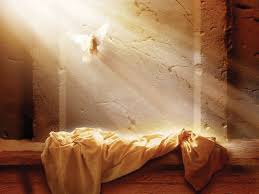
The Resurrection of Jesus Christ: What Actually Happened, in Order
When the four Gospels are read together carefully, they reveal a coherent historical sequence, not competing stories. Each writer emphasizes different details, but together they form a reliable account rooted in eyewitness testimony (Luke 1:1–4).
Jesus was buried hurriedly before the Sabbath began. His death was public, verified by Roman authorities, and witnessed by enemies and followers alike (Mark 15:37–39). Joseph of Arimathea, a respected member of the council, requested the body, and Nicodemus assisted with burial spices (John 19:38–39). Jesus was placed in a new tomb, sealed with a massive stone, while several women carefully observed its location (Luke 23:55). This detail matters because it eliminates confusion about the tomb’s whereabouts later.
The religious leaders, remembering Jesus’ claim that He would rise again, took the unusual step of requesting a guard for the tomb (Matthew 27:62–64). A Roman seal was placed on the stone, and soldiers were stationed there. Ironically, these precautions strengthened the case for the resurrection rather than weakening it. The tomb was not forgotten, unguarded, or easily accessible.
Sometime before dawn on the first day of the week, Jesus rose from the dead. Scripture never describes the precise moment. By the time anyone arrived, the resurrection had already occurred (Mark 16:6). An earthquake accompanied the descent of an angel who rolled the stone away, not to let Jesus out, but to show that the tomb was already empty (Matthew 28:2). The guards were rendered powerless with fear.
Very early Sunday morning, while it was still dark, a group of women went to the tomb carrying spices (John 20:1; Mark 16:1–2). They expected to find a sealed grave and a corpse. Instead, they found the stone moved. Mary Magdalene, shocked by the empty tomb, immediately ran to tell Peter and John, assuming someone had taken the body (John 20:2). At this stage, no one was expecting resurrection.
While Mary ran back, the other women entered the tomb and encountered angels who delivered the first resurrection proclamation. He is not here, but is risen (Luke 24:6). The angels reminded them that Jesus had predicted this very outcome, showing that the resurrection was not an afterthought but a fulfillment of His own words (Luke 24:7).
Peter and John raced to the tomb. John arrived first, but Peter entered and carefully examined the burial cloths. The linen wrappings lay undisturbed, and the face cloth was folded separately (John 20:6–7). This detail quietly destroys the theft theory, because grave robbers do not unwrap bodies and neatly arrange linens. John believed, though full understanding came later (John 20:8–9).
Mary Magdalene returned to the tomb after the disciples left. Grief overwhelmed her. She saw angels, then turned and encountered Jesus Himself, though she did not recognize Him at first (John 20:14). Recognition came when He spoke her name. This moment reveals something profound. The resurrection was not only factual but personal (John 10:3). Jesus sent her to tell the disciples that He was alive and ascending to the Father (John 20:17).
Later that same morning, Jesus appeared to the other women as they traveled to report what they had seen. They touched His feet, confirming He was not a spirit or vision (Matthew 28:9). Meanwhile, the guards reported the events to the religious leaders, who bribed them to spread a false story that the disciples stole the body while they slept (Matthew 28:11–13). Matthew notes that this explanation circulated widely, despite being logically impossible (Matthew 28:15).
That afternoon, Jesus appeared to two disciples walking to Emmaus. They did not recognize Him at first, but He explained how the Scriptures pointed to the Messiah’s suffering and resurrection (Luke 24:27). Their hearts burned as He opened the Word. Recognition came during the breaking of bread, after which He vanished (Luke 24:30–31). The risen Christ interpreted Scripture before He revealed Himself physically, showing how resurrection faith is anchored in God’s Word.
That evening, Jesus appeared to the disciples behind locked doors. He showed them His wounds and ate in their presence to prove His physical resurrection (Luke 24:39–43). Fear gave way to joy. Confusion gave way to commission (John 20:21). One disciple, Thomas, was absent and doubted. A week later, Jesus appeared again and invited Thomas to examine the evidence personally (John 20:27). Thomas responded with the clearest confession in the Gospel accounts. My Lord and my God (John 20:28).
Over the next forty days, Jesus appeared repeatedly, including to more than five hundred people at once (1 Corinthians 15:6). These were not fleeting visions but sustained encounters. Finally, He ascended bodily into heaven, promising to return in the same manner (Acts 1:9–11).
The resurrection was not a myth formed over time. It was immediate, public, and testified by witnesses who had everything to lose. The disciples did not invent it. They proclaimed it because they could not deny what they had seen (Acts 4:20). Without the resurrection, Christianity collapses. With it, sin is defeated, death is conquered, and hope becomes unshakeable (1 Corinthians 15:14; Romans 4:25).
The resurrection of Jesus is not merely something Christians believe. It is something that happened.



No comments yet. Be the first to share your thoughts!