




13 Traditional Hymns for Easter Sunday
Mar 12, 2026
Approach, My Soul, the Mercy Seat
By John Newton
Lyrics
1. Approach, my soul, the mercy seat
Where Jesus answers pray'r;
There humbly fall before his feet,
For none can perish there.
Where Jesus answers pray'r;
There humbly fall before his feet,
For none can perish there.
2. My only plea, your promise true;
With this I venture nigh;
You beckon burdened souls to you,
And such, O Lord, am I.
With this I venture nigh;
You beckon burdened souls to you,
And such, O Lord, am I.
3. Bowed down beneath a load of sin,
By Satan sorely pressed;
By war without and fears within,
I come to you for rest.
By Satan sorely pressed;
By war without and fears within,
I come to you for rest.
4. Thus be my shield and hiding place!
That sheltered near your side,
I may my fierce accuser face,
And say the Lamb has died.
That sheltered near your side,
I may my fierce accuser face,
And say the Lamb has died.
5. Oh, wondrous love! To bleed and die,
To bear the cross and shame,
That guilty sinners, such as I,
Might plead your gracious name.
To bear the cross and shame,
That guilty sinners, such as I,
Might plead your gracious name.
6. “Poor tempest-ravaged soul, be still,
My promised grace receive,”
’Tis Jesus speaks—I must, I will,
I can, I do believe.
My promised grace receive,”
’Tis Jesus speaks—I must, I will,
I can, I do believe.
Bible Reference
Hebrews 4:14-16; Hebrews 10:19-22; Psalm 86:5; Romans 8:1; 1 John 2:1
About This Hymn
Approach, My Soul, the Mercy Seat is a deeply pastoral and gospel rich hymn by John Newton, the former slave trader turned Anglican minister best known for Amazing Grace. Written around 1779, this hymn reflects Newton’s lifelong emphasis on free access to God through the finished work and continual intercession of Jesus Christ. The subtitle, Pleading His Gracious Name, captures the heart of the hymn, which is a call to believers to draw near to God with confidence, not on the basis of personal merit, but through Christ alone.
The hymn opens by exhorting the soul to come boldly to the mercy seat, echoing the teaching of Hebrews that believers may approach the throne of grace with confidence to obtain mercy and find grace to help in time of need (Hebrews 4:16, KJV). Newton emphasizes that prayer is not an uncertain or fearful act for the believer, because Christ Himself appears in the presence of God as our great High Priest and Advocate. This truth removes despair and replaces it with assurance grounded in Christ’s atoning sacrifice.
Throughout the hymn, Newton confronts the discouragement that often hinders prayer. He acknowledges the believer’s weakness, guilt, and sense of unworthiness, yet repeatedly directs the soul away from self and toward Christ. The mercy seat is not approached with excuses or self-justification, but with faith in the sufficiency of Christ’s blood and righteousness. This aligns closely with Romans 8:1, which declares that there is no condemnation to those who are in Christ Jesus, and with 1 John 2:1, which presents Christ as the Advocate for sinners.
The tone of the hymn is tender and instructive rather than triumphant. Newton writes as a shepherd of souls, urging weary Christians not to abandon prayer when burdened by sin or sorrow. Instead, he teaches that these very conditions are reasons to come to God. Prayer becomes an act of trust in God’s gracious character, who is ready to pardon and abundant in mercy (Psalm 86:5, KJV).
Approach, My Soul, the Mercy Seat remains a powerful devotional hymn that encourages perseverance in prayer and confidence in the gospel. It stands as a clear testimony to the Reformation doctrine of justification by faith and the ongoing priestly ministry of Christ. For believers struggling with doubt or spiritual weariness, this hymn offers gentle assurance that the way to God remains open, secure, and welcoming through Jesus Christ alone.


📬 Subscribe to Our Devotional Updates
Receive weekly hymns, devotionals, and website features directly in your inbox.
✅ Thank you! You'll start receiving our updates soon.
⭐ Recommend This Hymn
Share this beautiful hymn with others
This hymn is found in these hymnals
Open the hymnal that contains this hymn:
Latest Updated Hymnals
Hymn Information
- Category: Hymn
- Author/Writer: John Newton (1779)
- Added: January 30, 2026
- Last Updated: January 30, 2026
- Views: 301
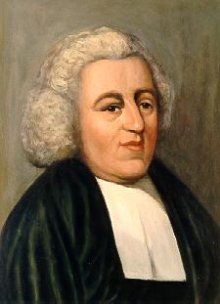
To view the author's biography, click their name above.
MIDI File
Ready to load
Download MIDI
Popular Hymns
Recent Blog Posts




Popular Blog Posts





Visit Us on Social Media
Latest from X (Twitter)
Tweets by HymnalLibraryLatest from Facebook
Latest on YouTube
Loading latest video...
Daily Bible Verse
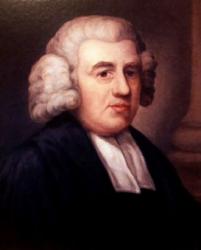 John Newton (1725–1807) was an English Anglican cleric, hymn writer, and prominent figure in the evangelical movement whose life story of conversion and service has inspired Christians for centuries. He was born in Wapping, London, England, on July 24, 1725, into a Christian home, but his mother died when he was young, and he went to sea with his father at age eleven. As a youth and young man he lived a reckless life at sea, was pressed into service in the Royal Navy, and later worked aboard slave ships in the trans-Atlantic slave trade, even becoming a ship’s captain for years. A severe storm at sea in 1748 led him to cry out to God and marked the beginning of his spiritual turning toward Christ, a change that grew more fully over subsequent years.
Disclaimer
The hymns, sheet music, MIDI files, and related content on this website are provided for educational and research purposes only.
- Public Domain: Many of the hymns featured here are in the public domain and may be freely used.
- Copyrighted Works: Some hymns may still be under copyright protection. Where applicable, permission has either been requested from the copyright owner, or the content is shared under the principles of fair use for educational purposes.
⚠️ Important Notice: If you wish to reproduce, distribute, or use any copyrighted hymn beyond personal study or educational use, you must obtain permission directly from the copyright holder. This website does not grant any rights for commercial use yet.
If there is any other question please address it to us in our Contact Page, for further assistance. Thank you for using the site. May God Bless You.