

How Is Jesus the Priest in the Order of Melc…
17 hours ago
Once in Royal David's City
Lyrics
1. Once in royal David’s city
stood a lowly cattle shed,
where a mother laid her baby
in a manger for His bed:
Mary was that mother mild,
Jesus Christ her little Child.
stood a lowly cattle shed,
where a mother laid her baby
in a manger for His bed:
Mary was that mother mild,
Jesus Christ her little Child.
2. He came down to earth from heaven
who is God and Lord of all,
and His shelter was a stable,
and His cradle was a stall:
with the poor, and meek, and lowly,
lived on earth our Savior holy.
who is God and Lord of all,
and His shelter was a stable,
and His cradle was a stall:
with the poor, and meek, and lowly,
lived on earth our Savior holy.
3. And our eyes at last shall see Him,
through His own redeeming love;
for that Child so dear and gentle
is our Lord in heav'n above,
and He leads His children on
to the place where He is gone.
through His own redeeming love;
for that Child so dear and gentle
is our Lord in heav'n above,
and He leads His children on
to the place where He is gone.
4. Not in that poor lowly stable,
with the oxen standing by,
we shall see Him, but in heaven,
set at God’s right hand on high;
when like stars His children crowned
all in white shall wait around.
#Christmas Carols
with the oxen standing by,
we shall see Him, but in heaven,
set at God’s right hand on high;
when like stars His children crowned
all in white shall wait around.
#Christmas Carols
Bible Reference
Luke 2:4–7
About This Hymn
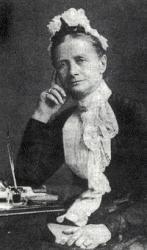
“Once in Royal David’s City” is one of the most beloved Christmas carols in the English-speaking world, written in 1848 by Irish hymn writer Cecil Frances Alexander. Alexander, who is remembered for her remarkable ability to make biblical truth simple and accessible to children, composed this hymn as part of her collection Hymns for Little Children. This collection included hymns designed to explain the Apostles’ Creed and other basic Christian doctrines. “Once in Royal David’s City” was written to teach children about the incarnation of Jesus Christ, drawing attention to His humble birth in Bethlehem as foretold in Scripture.
The hymn’s text begins with the vivid imagery of the nativity scene, emphasizing the humility of Christ’s birth in a “lowly cattle shed,” and progresses to highlight His obedience, gentleness, and role as Savior and King. By presenting Christ’s humanity in such a tender and relatable way, Alexander helps children and adults alike to grasp the mystery and significance of the incarnation. The hymn also reminds believers of Christ’s sympathy and care for His people, drawing a connection between His humble beginnings and His eternal reign in glory. Its simple language, drawn from Scripture, reflects Alexander’s goal of teaching profound truths in a way that even the youngest could understand.
Musically, the hymn is most commonly sung to the tune Irby by Henry John Gauntlett (1805–1876). It gained worldwide recognition when it became the processional hymn for the annual Festival of Nine Lessons and Carols at King’s College, Cambridge, beginning in 1919. Traditionally, the first verse is sung as a solo by a boy chorister, creating a solemn and reverent opening to the service. Over time, this hymn has become a symbol of Christmas worship, not only in churches but also in concerts and carol services around the world.
Alexander’s work is significant in the history of hymnody. She was the wife of William Alexander, later Archbishop of Armagh, and devoted much of her life to writing hymns and poems for children. Her other well-known hymns include “All Things Bright and Beautiful” and “There Is a Green Hill Far Away.” In “Once in Royal David’s City,” Alexander’s deep reverence for Scripture and her heart for teaching children are beautifully evident. The hymn bridges the gap between simplicity and theological depth, celebrating both the humanity and deity of Christ, who came to dwell among us. Today, it continues to inspire worshippers to reflect deeply on the meaning of Christ’s incarnation, His humility, and the hope of eternal life with Him.
From the Dictionary of Hymnology
Related terms and concepts automatically matched to this hymn.
Cecil Frances Alexander History
Biographical account of Cecil Frances Alexander, the renowned Irish hymnwriter whose timeless works for children include "All things bright and beautiful" and "Once in Royal David's city."
Read moreAll things bright and beautiful Hymnology
Overview of Cecil Frances Alexander's famous children's hymn "All things bright and beautiful," based on the Apostles' Creed.
Read moreWilliam Alexander History
Biographical profile of William Alexander, Anglican Bishop of Derry and Raphoe, theologian, and author of religious poetry including Oxford prize poems.
Read more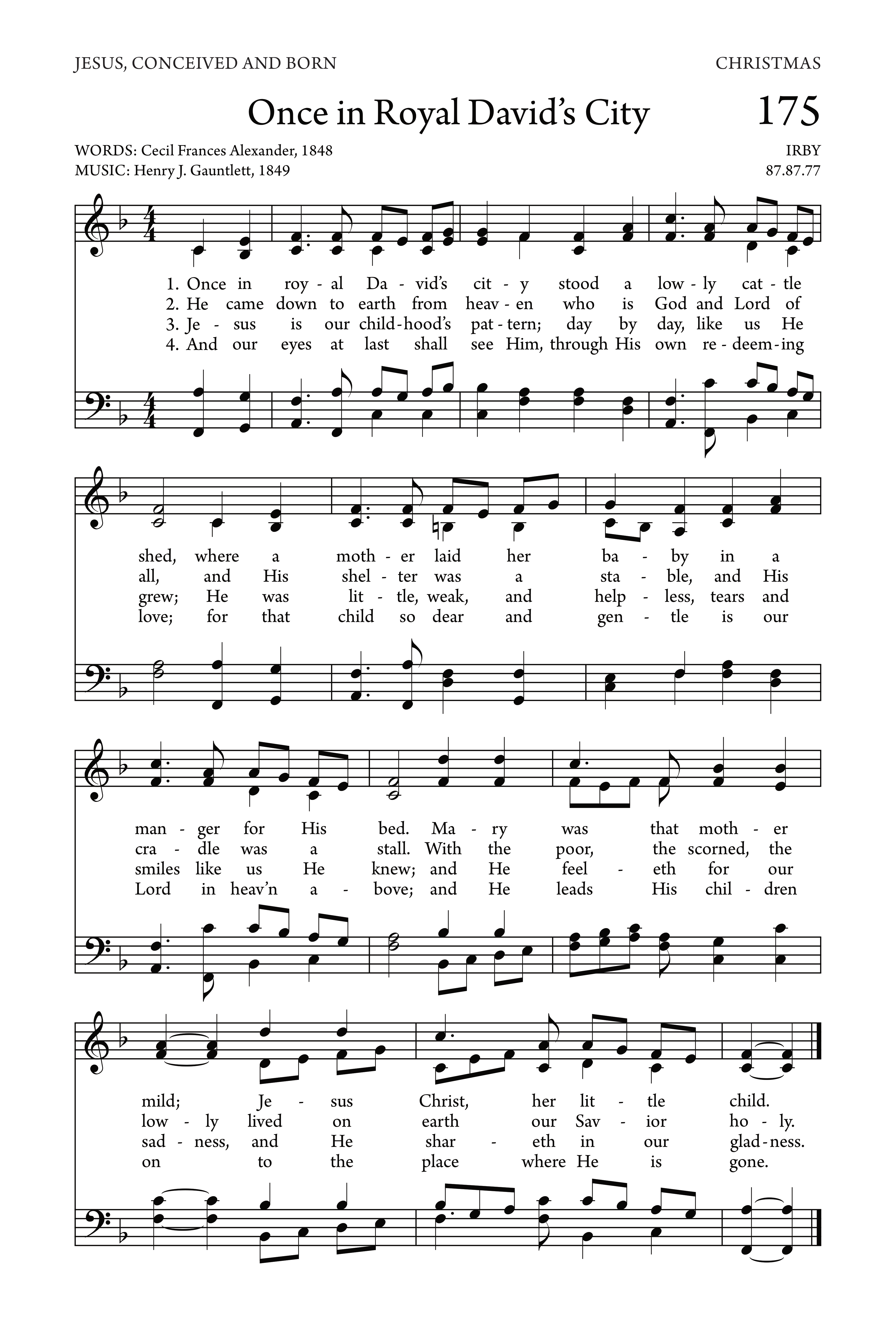

📬 Subscribe to Our Devotional Updates
Receive weekly hymns, devotionals, and website features directly in your inbox.
✅ Thank you! You'll start receiving our updates soon.
⭐ Recommend This Hymn
Share this beautiful hymn with others
This hymn is found in these hymnals
Open the hymnal that contains this hymn:
Hymns with the same subject
More hymns about Christmas, Jesus Christ, Lordship of Christ, Refuge
- Away in a Manger — Martin Luther
- Thou Didst Leave Thy Throne — E. S. Elliot
- Ah, holy Jesus, how hast Thou offended — Johann Heermann
- On Jordan's Banks the Baptist's Cry — Charles Coffin
- Christ Returneth (It May Be at Morn) — H. L. Turner
- In the Garden — C. Austin Miles
- Mary, Did You Know? — Mark Lowry
- O Come, O Come, Emmanuel — J. M. Neale
More hymn subjects
Recently Added Hymns
-
 Holy, Holy, Holy, Lord, God of hosts, Eternal KingChristopher Wordsworth 1862
 -
 Hail, Redeemer, King DivinePatrick Brennan 1856
 -
 Father, We Thank Thee, Who Hast PlantedBland Tucker 1939
 -
 Father, See Thy Children Bending at Thy ThroneWilliam B. Trevelyan 1906
 -
 Come, Holy Ghost, Creator BlestRabanus Maurus 809
Latest Updated Hymnals
-
Open
 The People's HymnalUpdated 16 hours ago · 1961
 -
Open
 Book of Common Praise (BoCP1915)Updated 2 months ago · 1915
 -
Open
 Our Great Redeemer's PraiseUpdated 4 months ago · 2022
 -
Open
 The Parish Hymnal (1873)Updated 4 months ago · 1873
 -
Open
 Book of Common Praise (BCP1998)Updated 4 months, 2 weeks ago · 1998
Hymn Information
To view the author's biography, click their name above.
MIDI File
Ready to load
Download MIDI
More Hymns by Cecil Frances Alexander
Popular Hymns
Recent Blog Posts


Popular Blog Posts
-
 Lessons from the Book of Haggai: Putting God…3 months, 2 weeks ago
 -
 Easter vs Passover: How a Biblical Feast Bec…5 months, 2 weeks ago
 -
 The Full Story of the Birth of Jesus Christ:…9 months, 1 week ago
 -
 The 30 Most Famous Christmas Hymns and Carols1 year ago
 -
 The Story Behind the Hymn “Amazing Grace”9 months ago
Visit Us on Social Media
Latest from X (Twitter)
Tweets by HymnalLibraryLatest from Facebook
Latest on YouTube
Loading latest video...
Daily Bible Verse
Disclaimer
The hymns, sheet music, MIDI files, and related content on this website are provided for educational and research purposes only.
- Public Domain: Many of the hymns featured here are in the public domain and may be freely used.
- Copyrighted Works: Some hymns may still be under copyright protection. Where applicable, permission has either been requested from the copyright owner, or the content is shared under the principles of fair use for educational purposes.
⚠️ Important Notice: If you wish to reproduce, distribute, or use any copyrighted hymn beyond personal study or educational use, you must obtain permission directly from the copyright holder. This website does not grant any rights for commercial use yet.
If there is any other question please address it to us in our Contact Page, for further assistance. Thank you for using the site. May God Bless You.