About George Croly
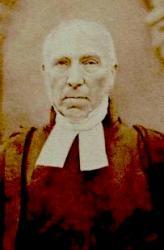
George Croly (1780–1860) was a distinguished Irish clergyman, poet, and man of letters whose career spanned across the worlds of theology, history, and journalism. Born in Dublin and educated at Trinity College (Dublin University), he was ordained in the Church of Ireland and labored in his home country for several years before relocating to London around 1810. In the capital, he initially turned his primary focus toward literature, becoming a prominent contributor to Blackwood's Magazine and publishing numerous works on historical, biographical, and scriptural subjects.
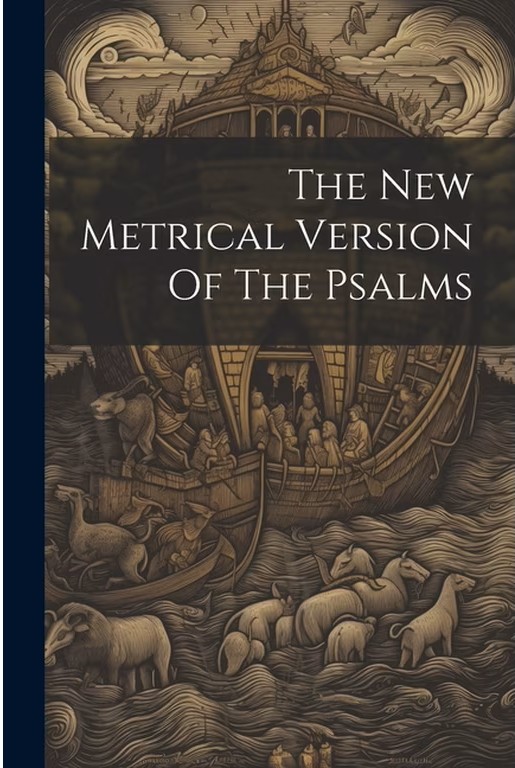
In 1835, Croly returned to active ministry when he was appointed to the prestigious united benefices of St. Stephen’s, Walbrook, and St. Benet Sherehog in London. He remained a well-known figure in London’s clerical and literary circles until his sudden death while walking in Holborn in 1860. His most significant contribution to church music came toward the end of his life with the publication of Psalms and Hymns for Public Worship(1854). This collection was unique in that it featured twenty-five psalms and fifty hymns, many of which were original compositions marked with his own initials.
Croly’s hymnody is characterized by its intellectual depth and classical structure. His most enduring work, "Spirit of God, descend upon my heart," remains a staple in many modern hymnals. The hymn is widely praised for its prayerful introspection and its plea for spiritual maturity, avoiding superficial emotionalism in favor of a deep, disciplined longing for the divine. Other notable works of his include "Be still, be still, impatient soul" and "Thou, Lord of mercy and of might," the latter originally appearing in his 1851 volume, Scenes from Scripture and other Poems.
Though many of his twenty-two original hymns and ten psalms have faded from common use, Croly's influence persisted through the late 19th and early 20th centuries. His work provided a bridge between the high literary traditions of the Romantic era and the practical needs of Victorian congregational worship. He is remembered today as a "scholar-pastor" who sought to bring literary excellence and historical perspective to the songs of the church.