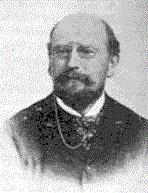
About George W. Frazer
George West Frazer (1830–1896) was a 19th-century hymn writer whose work primarily focused on themes of adoration, the Lord’s Supper, and the simple proclamation of the gospel. While detailed biographical accounts of his personal life are relatively sparse in the common historical record, the distribution and translation of his hymns suggest a writer whose influence was deeply felt within evangelical and perhaps Plymouth Brethren or similar circles that emphasized a high view of worship and the person of Christ.
Frazer’s output, consisting of at least 18 recognized hymn texts, reveals a theologian’s heart. His compositions are characterized by a reverent, direct address to the Godhead, often using the intimate yet respectful language of "Abba, Father." His work was not confined to English-speaking congregations; the presence of his hymns in Portuguese ("Se acaso vês em mim, Senhor") and Chinese ("主耶穌,當那晚間") indicates a global reach, likely spread through missionary efforts and international hymnals focused on fundamental Christian doctrines.
A significant portion of Frazer’s work is dedicated to the "service of praise"—the act of the church gathering to worship the Father and the Son. His most widely circulated hymn, "God, our Father, we adore Thee!", appears in at least 18 different hymnal instances. This hymn is a quintessential example of his style: a robust, communal expression of praise that centers on the character and grace of God.
Other notable hymns in this category include:
-
"Abba, Father, we who know Thee": A hymn that explores the relationship between the believer and the Father, rooted in the assurance of knowledge and grace.
-
"Thou holy, holy, holy Lord, We worship Thee with one accord": A trinitarian-focused text that emphasizes the unity of the church in its worship of a holy God.
-
"The throne of grace surrounding": A lyrical invitation for the congregation to draw near to the source of divine mercy.
Frazer also contributed significantly to the repertoire of hymns designed for the Breaking of Bread or Holy Communion. His lyrics often meditate on the night of Christ’s betrayal and the command to "do this in remembrance."
The hymn "On that same night, Lord Jesus" is a direct narrative reflection on the institution of the Lord's Supper, while "This do, remember me, O blessed, living Lord" serves as a prayerful response to that command. These hymns are valued for their ability to focus the mind of the worshiper on the "blessed, living Lord" rather than the ritual itself, maintaining a focus on the present reality of the risen Christ.
In addition to worship hymns, Frazer was an active voice in the "gospel sound"—hymns designed to invite the sinner to salvation and reflect on the gravity of Christ’s sacrifice. His work "Down to the depths of woe" captures the dramatic arc of redemption, moving from the darkness of sin to the light of salvation. Other evangelistically minded texts include:
-
"Come hear the gospel sound": A classic invitational hymn.
-
"Sinner, the message to you": A direct, personal appeal to the individual listener.
-
"What rich eternal bursts of praise": A look forward to the ultimate victory of the gospel and the heavenly worship that follows.
George West Frazer’s life ended in 1896, but his "eternal bursts of praise" continued to echo throughout the 20th century. His hymns remain part of the "still small voice" of traditional hymnody, providing congregations with a vocabulary of worship that is as scripturally grounded as it is emotionally resonant. Though he may not be a household name like Watts or Wesley, his 18 instances of "God, our Father, we adore Thee!" signify a lasting contribution to the universal song of the church.