About Gustav Gottheil
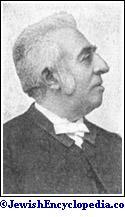
Gustav Gottheil (1827–1903) was a preeminent Reform rabbi, liturgist, and a leading figure in the development of American Jewish identity during the late 19th century. Born in Pinne, Prussia, he was educated at the University of Berlin and the Rabbinical Seminary in Berlin, where he studied under the pioneering scholar Leopold Zunz. After serving a prominent congregation in Manchester, England, for thirteen years, he was called to New York City in 1873 to assist—and eventually succeed—Samuel Adler as the spiritual leader of Temple Emanu-El, one of the most influential Reform synagogues in the world.
Gottheil was a staunch advocate for a modernized, English-language liturgy that remained deeply rooted in traditional Jewish values. He was a primary force behind the creation of the Union Prayer Book, which became the standard for Reform Judaism in America. His work was characterized by a unique ability to bridge the gap between Jewish and Christian communities; he was a founding member of the New York State Conference of Religion and often participated in interfaith dialogues, a rarity for his time. His advocacy also extended to the nascent Zionist movement, making him one of the few Reform rabbis of his era to publicly support the cause.
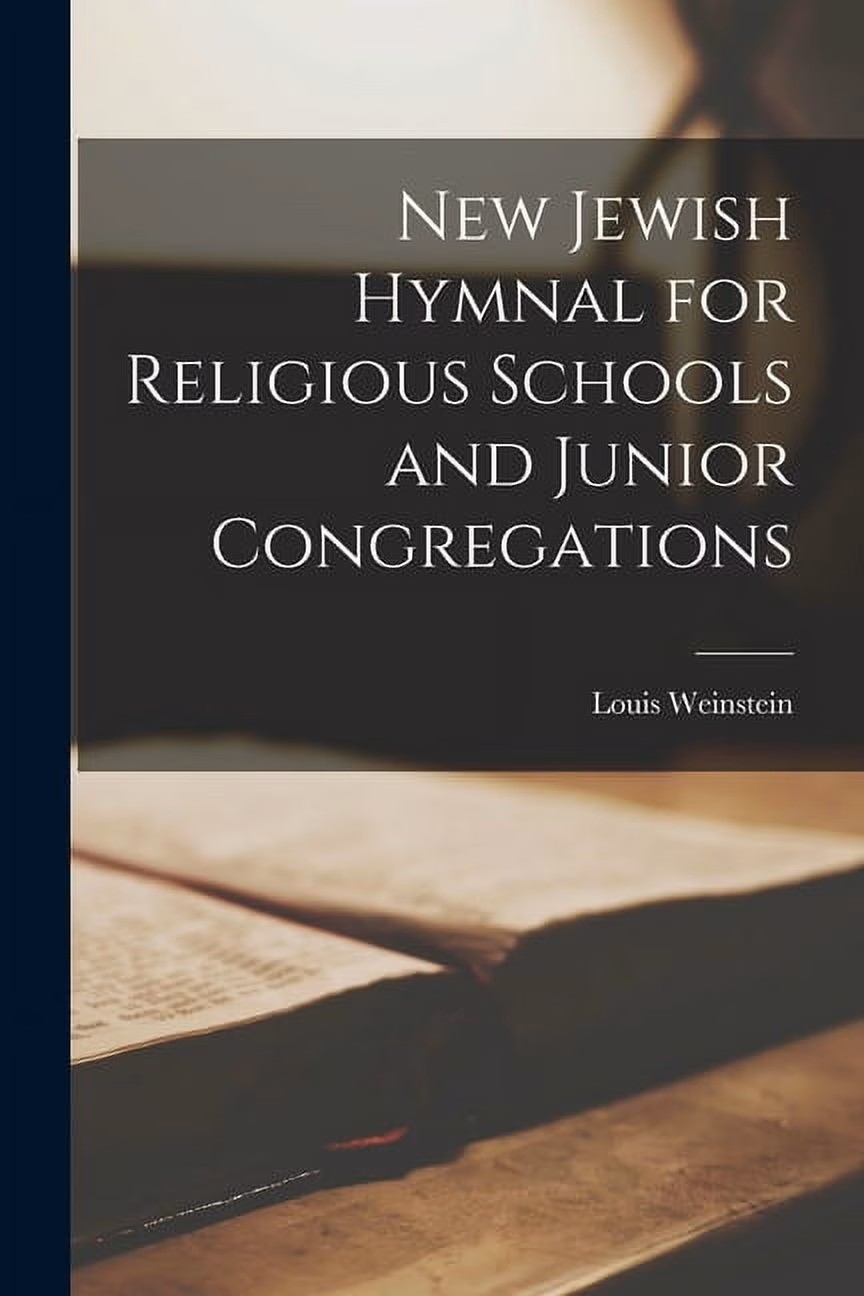
In the realm of sacred music and poetry, Gottheil is most celebrated for his contributions to the English-language hymnal. He sought to provide Jewish congregations with music that was aesthetically sophisticated yet religiously authentic. His most enduring contribution to the English-speaking world is his adaptation of the Chanukah hymn "Rock of Ages" (Ma'oz Tzur), as well as the serene "Come, O Sabbath Day." Through these translations and original compositions, Gottheil ensured that the "service of song" would be a cornerstone of the American Jewish experience, blending the ancient spirit of the Hebrew text with the contemporary beauty of English verse.