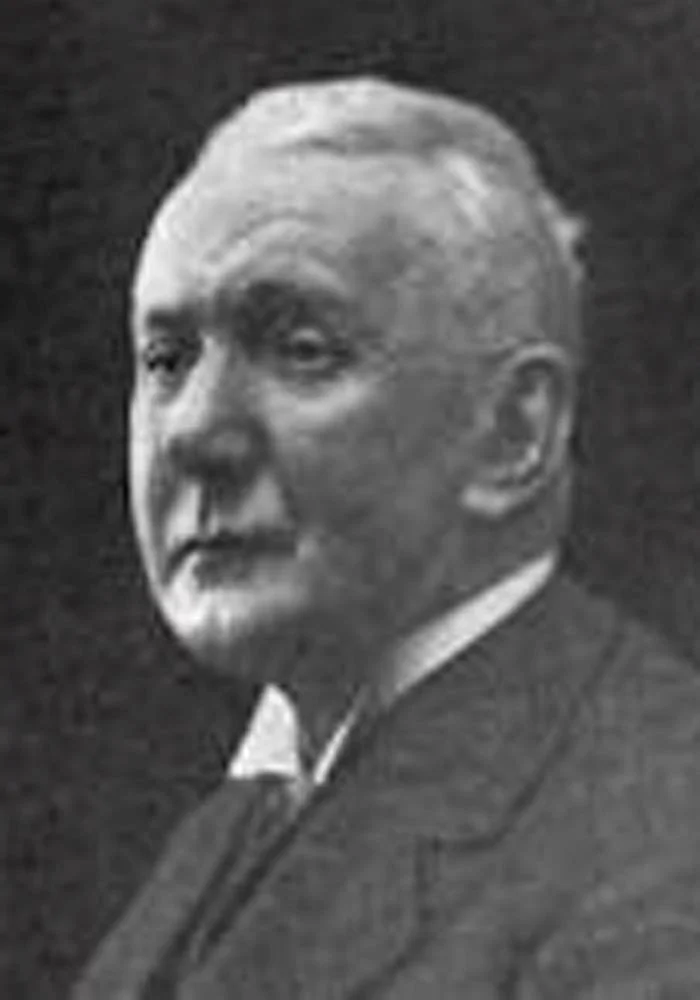
About James Edmeston
James Edmeston (1791–1867) was a prominent English architect, surveyor, and incredibly prolific hymn writer of the 19th century. Born into a Dissenting family, his grandfather was a well-known Independent minister, Edmeston eventually joined the Church of England, serving as a churchwarden at St. Barnabas in Homerton. Professionally, he was a successful architect who mentored Sir George Gilbert Scott, one of the most famous Gothic Revival architects in history.
Despite his busy architectural practice, Edmeston's true passion was sacred poetry. He is credited with writing nearly 2,000 hymns, many of which were composed specifically for children or for use in domestic "cottage" worship. His style was characterized by a distinct simplicity and rhythmic grace, making his verses exceptionally well-suited for Sunday Schools and private devotion. His collection The Cottage Minstrel (1821) was specifically designed to assist the poor in their home worship, reflecting his commitment to accessible piety.
Edmeston's most enduring contribution to the church is the hymn "Lead us, Heavenly Father, lead us." Written in 1821 for the children of the London Orphan Asylum, it is a sturdy prayer for divine guidance that remains a staple of Anglican and Protestant worship globally. Another masterpiece, "Saviour, breathe an evening blessing," was inspired by his reading of traveler Henry Salt’s accounts of evening worship in Abyssinia. The hymn, appearing in his Sacred Lyrics (1820), has become one of the most beloved evening hymns in the English language, prized for its atmosphere of peace and trust.
His work often explored themes of mortality and the transition to the afterlife, frequently drawing inspiration from John Bunyan's The Pilgrim's Progress. His hymn "Parting soul, the flood awaits thee" is a direct meditation on the "river of death" depicted in Bunyan’s allegory. Edmeston also displayed a keen interest in global missions, producing works like "Roll on, thou mighty ocean" for departing missionaries and "When shall the voice of singing?" which gained significant popularity in America.
Edmeston’s legacy is that of a "lay-hymnist" who used his professional success to fund and promote the spiritual education of the young and the poor. Though he lived through the height of the Oxford Movement and the transition into Victorian hymnody, his work maintained a timeless, "Independent" quality that bridged the gap between different denominations. He passed away in 1867, leaving behind a vast body of poetry that continues to provide the church with language for everything from the burial of a child to the national thanksgiving of a nation.