About John Henry Yates
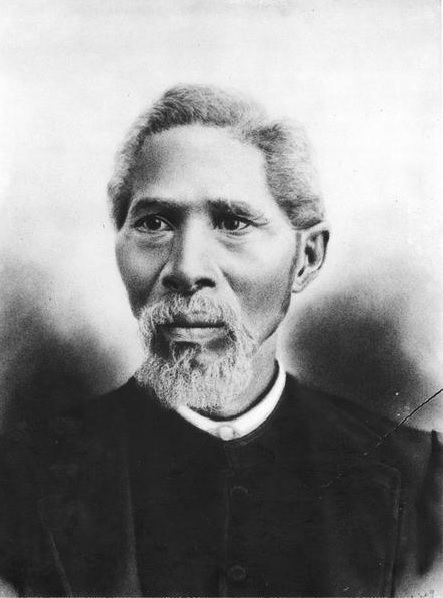
John Henry Yates (1837–1900) was a multi-talented American clergyman, editor, and poet whose life was a study in versatile service and provincial dedication. Born and raised in Batavia, New York, Yates was largely self-made; at the age of eighteen, he set aside his formal education to work as a clerk to support his aging parents. For decades, he worked in the local mercantile trades—selling shoes and hardware—before transitioning into journalism as the local editor of the Progressive Batavian. Though he had been licensed to preach in the Methodist church since the age of twenty-one, his formal ordination did not occur until late in life, in 1897, after which he served as the pastor of the Free Will Baptist Church in West Bethany.
Yates’ literary career began at the urging of his mother, and he quickly gained a reputation for writing "ballads of the people." His breakthrough came with the sentimental and evocative poem "The Model Church," which described an elderly man’s search for a church that prioritized spirit over outward show. The massive global success of this ballad caught the attention of the world-renowned singing evangelist Ira D. Sankey. In 1891, Sankey was so impressed by Yates’ ability to capture the emotional essence of the common person’s faith that he engaged Yates under an exclusive contract to provide lyrics for his gospel hymn collections.
The most enduring fruit of the Yates-Sankey partnership is the militant and triumphant hymn "Faith is the Victory." Set to a stirring melody by Sankey, the hymn utilizes the biblical imagery of 1 John 5:4 to describe the spiritual warfare of the believer. It became one of the defining "marching songs" of the late 19th-century revival movement, known for its bold chorus: "Faith is the victory! Oh, glorious victory, that overcomes the world." Other notable works from this period include the maritime-themed "The Harbor Bell" and the nostalgic "Beautiful Hills," which showcased his range from vigorous exhortation to gentle, scenic reflection.
In 1897, Yates collected his life's work into a volume of ballads and poems, which met with immediate commercial success. His writing was never characterized by complex theological jargon; instead, it drew from his decades of experience interacting with the public in shops and newsrooms. Whether he was writing a dedicatory poem for a historical landmark or a gospel song for a mass revival, his work remained grounded in the everyday language and struggles of his neighbors. When he passed away in 1900, he was remembered as a man who had successfully bridged the gap between the secular world of business and journalism and the sacred world of the pulpit and the choir.