About John Leland
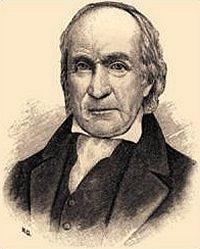
John Leland (1754–1841)
John Leland was a towering and eccentric figure in early American religious and political life, primarily known as a fierce advocate for religious liberty and a leader within the Baptist tradition. Born in Grafton, Massachusetts, Leland began his ministry at the age of twenty and spent significant portions of his career in Virginia and Massachusetts, particularly in the town of Cheshire. He was a man of "restless activity and roving disposition," whose influence was often matched by his legendary eccentricities. Perhaps his most famous political act was his role in advocating for the First Amendment; he famously presented President Thomas Jefferson with a "mammoth cheese" weighing over 1,200 pounds, crafted by the ladies of Cheshire, as a symbol of support for Jefferson’s commitment to the separation of church and state.
In the realm of hymnody, Leland’s contributions were characterized by a rugged, folk-like simplicity that resonated deeply with the burgeoning evangelical movements of the American frontier. His most enduring work is the evening hymn "The Day is Past and Gone," which entered universal use across American denominations after its inclusion in the Hartford Selection of 1799. Despite his scholarly neighbors, Leland’s verses often leaned into the "spiritual song" tradition—highly emotional, direct, and rhythmic lyrics intended for camp meetings and large-scale baptisms. While some hymns are ascribed to him with varying degrees of certainty, his work remains a vital link to the oral and populist traditions of the Second Great Awakening.
Leland’s hymns often reflected the physical and spiritual intensity of his ministry. One notable, if somewhat unrefined, example is his baptismal hymn "Christians, If Your Hearts are Warm," written for a large-scale outdoor baptism in Virginia in 1779. The hymn includes the famous lines, "Ice and snow can do no harm," emphasizing a stoic and fiery devotion that ignored physical discomfort in favor of spiritual obedience. This "ready wit" and occasional "doggerel" style were hallmarks of his personality, making him a beloved figure among the common people even as he remained a controversial figure in formal political circles.
Throughout his long life, Leland published numerous sermons, addresses, and essays, which were collected posthumously in 1845. His legacy is that of a "pastor-politician" who believed that spiritual freedom was inseparable from civil liberty. Though he was often criticized for his "mad devotion to politics," his high character and tireless defense of the rights of conscience left a permanent mark on the American identity. He passed away in 1841, leaving behind a body of work that continues to be studied by historians of both American religion and constitutional law.