About John M. Moore
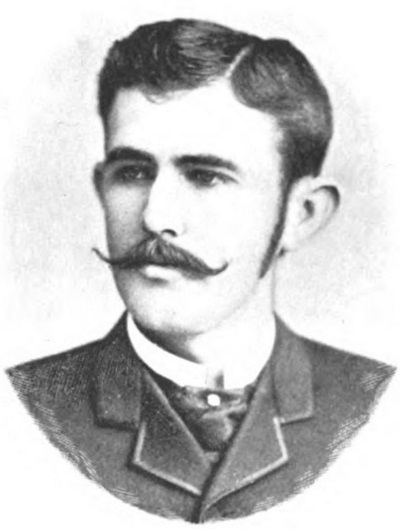
John M. Moore is a contemporary gospel songwriter best known for the widely popular hymn "Burdens are Lifted at Calvary" (often indexed by its first line, "Days are Filled with Sorrow and Care"). While he is sometimes confused with the Methodist Bishop John Monroe Moore, the author of this specific hymn was a Scottish-born evangelist and seaman’s chaplain who spent much of his ministry in the mid-20th century. Moore’s writing is firmly rooted in the "Gospel Song" tradition, characterized by relatable, emotional narratives and a strong emphasis on the personal experience of grace and relief through faith.
The story behind his most famous hymn, written in 1952, highlights Moore’s background in pastoral care. While serving as a chaplain, he visited a young merchant seaman who was dying in a hospital. When Moore asked the young man if he felt the "burden" of his sin, the sailor used maritime language to describe his spiritual struggle. Moore shared the message of the Gospel, and the young man eventually found peace. This encounter inspired the iconic refrain: "Burdens are lifted at Calvary, Calvary, Calvary; Burdens are lifted at Calvary, Jesus is very near." The song was subsequently published by the Singspiration music company and became a staple of evangelical crusades and radio broadcasts.
Moore’s work is noted for its rhythmic simplicity and its focus on the "all-sufficiency" of Christ in the face of life’s hardships. His other documented text, "Jesus With Us All the Days," carries a similar theme of divine companionship and constant support. His songs often utilize a call-and-response or verse-chorus structure that makes them easily learnable for congregational singing, particularly in informal or revivalist settings.
Though he does not have an extensive catalog of published hymns in formal denominational hymnals, Moore's influence remains significant through the global reach of "Burdens are Lifted at Calvary." The hymn has been translated into numerous languages and remains a favorite for its comforting message and memorable melody. He represents the tradition of the "evangelist-songwriter"—individuals whose music was born out of direct pastoral encounters and a desire to provide spiritual hope to those in immediate distress.