About Joseph Addison
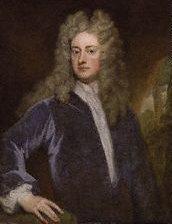
Joseph Addison (1672–1719)
Joseph Addison was a preeminent English essayist, poet, and statesman whose influence on the 18th-century literary landscape was profound. Born in Wiltshire and educated at Oxford, Addison initially prepared for a career in the Church but eventually found his path in law and politics. He rose to high office, serving as a Member of Parliament and Secretary of State, yet he is best remembered for his collaboration with Richard Steele on The Spectator. Through this daily publication, Addison sought to "enliven morality with wit," providing his readers with sophisticated prose that addressed both social manners and deep philosophical questions.
Addison’s contributions to hymnody are unique because they were not originally intended for a hymnal, but rather served as the spiritual conclusions to his Saturday essays. He reserved Saturdays for "speculations" on sacred subjects, and he frequently ended these meditations with a "Divine Ode" to summarize his thoughts in verse. These hymns, characterized by a serene and rational piety, were highly esteemed for their "exquisite poetry." Unlike the more dogmatic hymns of the era, Addison’s verses focused on the benevolence of Providence and the majesty of God’s creation, reflecting a sense of "Wonder, Love, and Praise."
Among his most enduring works is "The Spacious Firmament on High," an ode that appeared at the close of an essay on natural theology. Inspired by the opening verses of Psalm 19, the hymn describes the cosmos as a "glorious work" that speaks of its Creator through silent, perfect order. Another significant piece, "How Are Thy Servants Blest, O Lord," is often called the "Traveller’s Hymn." It was inspired by Addison’s own perilous experience during a Mediterranean storm in 1700, during which the captain gave up hope while Addison "fortified himself against the terrors of death" through his devotions.
Despite his clear authorship, Addison’s hymns were subject to later controversy. In the late 18th century, Captain Edward Thompson claimed several of these hymns were the work of Andrew Marvell, but this claim was largely dismissed when it was discovered that Thompson had also misattributed a hymn by Isaac Watts. Similarly, a claim on behalf of a clergyman named Richard Richmond was refuted when historical analysis showed Richmond had merely copied Addison’s famous lines into a letter to seek financial help. Today, Addison remains a fixture in the history of sacred song, his hymns serving as timeless examples of how literature and liturgy can seamlessly intertwine.