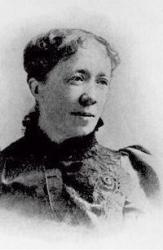
About Mary A. Lathbury
Mary Artemisia Lathbury was an American poet, artist, and educator who became the unofficial "poet laureate" of the Chautauqua Movement. Born in Manchester, New York, in 1841, she was the daughter of a Methodist local preacher. Her career was defined by a unique blend of literary and visual arts; she was a professional illustrator and contributor to numerous religious periodicals, but her most lasting impact was made through the hymns she wrote for the Chautauqua Lake assemblies.
The Chautauqua Connection
In the late 19th century, Chautauqua was a massive center for adult education and spiritual renewal. Under the direction of Dr. John H. Vincent, Lathbury was commissioned to write songs that would capture the specific atmosphere of these lakeside gatherings. Her work is characterized by a "quiet reverence" and a focus on the internal spiritual life, often referred to as "Study Songs" or "Vesper Songs."
Essential Hymns
Lathbury is primarily remembered for two hymns that remain staples in modern Protestant worship:
-
"Break Thou the Bread of Life" (1877): Originally written as a "Study Song" for the Chautauqua Literary and Scientific Circle, this hymn was not intended for Communion (The Lord's Supper) but rather as a prayer for the "breaking" of the Word of God during Bible study. It emphasizes the Holy Spirit's role in opening the scriptures to the believer.
-
"Day Is Dying in the West" (1877): Written as a "Vesper Song," this was performed as the sun set over Lake Chautauqua. It is celebrated for its sweeping, cosmic imagery ("Holy, Holy, Holy, Lord God of Hosts! Heaven and earth are full of Thee") and is considered one of the finest evening hymns ever written.
-
"Lift Up, Lift Up Thy Voice with Singing": Featured in Ira D. Sankey’s Sacred Songs & Solos, this hymn demonstrates her ability to write more traditional, celebratory songs of praise alongside her more contemplative Chautauqua works.
Legacy as an Artist and Advocate
Beyond her hymnody, Lathbury was deeply involved in the social and educational reforms of her day. She served as an assistant editor for the Methodist Sunday School publications and founded the Look Up Legion, a youth organization based on the principles of Edward Everett Hale’s "Lend a Hand" movement. Her motto for the group, "Look up and not down, look forward and not back, look out and not in, and lend a hand", reflected her optimistic and active faith.
Mary Lathbury died in 1913, having spent her life at the intersection of art, education, and liturgy. Her hymns continue to be valued for their ability to focus the worshipper's mind on the presence of God, whether through the study of scripture or the quiet beauty of the natural world.