About Mary Ann Thomson
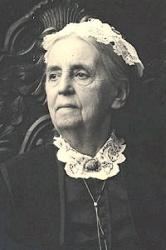
Mary Ann Thomson was a 19th-century poet and hymn writer whose work became a cornerstone of the Protestant Episcopal liturgical tradition in America. Born in London in 1834, she eventually moved to Philadelphia with her husband, John Thomson, who served as the first librarian of the Free Library of Philadelphia. Thomson was a prolific writer, contributing approximately forty hymns and numerous poems to leading religious periodicals such as The Churchman in New York and The Living Church in Chicago. Her work was highly regarded for its theological clarity and its suitability for the Episcopal Church’s seasonal and occasional services.
Thomson is most famously remembered for her stirring missionary hymn, "O Zion, Haste, Thy Mission High Fulfilling." The story of its composition is a poignant example of creative endurance. She began writing the text in 1868 while nursing one of her children through a severe bout of typhoid fever. Seeking a way to express her missionary zeal, she initially attempted to write the words to the meter of a popular tune she loved. However, she struggled to create a satisfying refrain and left the hymn unfinished for three years. It was not until 1871 that she finally completed the text with the triumphant chorus, "Publish glad tidings, tidings of peace; / Tidings of Jesus, redemption and release."
Although she originally intended the hymn for a different melody, it became world-renowned when paired with the tune "Tidings," composed specifically for her words by James Walch. The hymn’s urgent call to spread the gospel made it a definitive anthem for missions, and it was included as one of four of her hymns in the Protestant Episcopal Hymnal of 1892. Beyond this masterpiece, Thomson contributed several other significant pieces to the 1892 collection, including the Annunciation hymn "Now the Blessed Dayspring" and the tender "Saviour, for the Little One," written for the burial of a child, a theme that reflected the emotional depth of her own experiences as a mother.
Throughout her life, Thomson remained a modest but influential figure in sacred music. Her hymns were often marked by a focus on the specific days and "saints" of the church calendar, such as her All Saints' hymn, "O King of Saints, We Give Thee Praise and Glory." By the time of her death in 1923, she was recognized as a writer whose "singing heart" provided the church with a voice that was both intellectually rigorous and deeply moving. She is remembered as a pivotal figure who helped shape the identity of American Episcopal hymnody, ensuring that the message of "glad tidings" reached congregations across the globe.