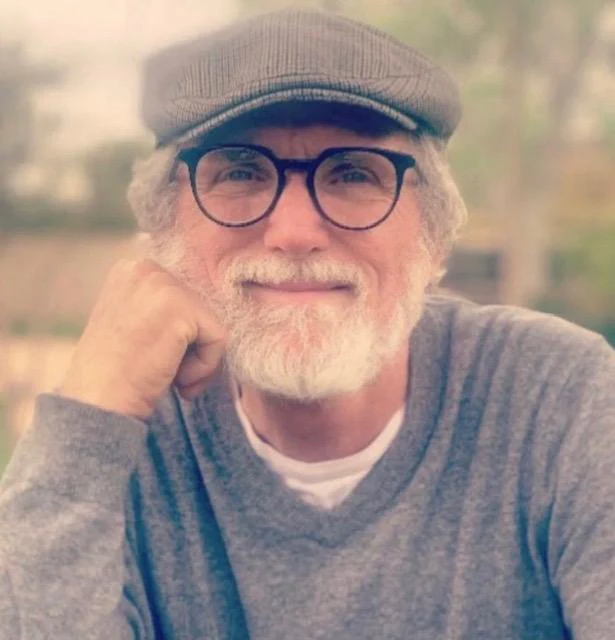
About Michael Ledner
Michael Ledner is a contemporary American worship leader and songwriter best known for his significant contributions to the "praise and worship" movement that emerged in the late 20th century. Born in 1952, Ledner’s ministry has been defined by a focus on the intimate, prayerful aspect of congregational song. He served for many years in pastoral and musical roles within the Calvary Chapel movement and later founded various worship ministries. His work is characterized by a "Scripture-song" style, which involves setting direct biblical passages to simple, melodic structures that are easy for congregations to memorize and sing.
Ledner’s most enduring contribution to global hymnody is the deeply contemplative chorus "You Are My Hiding Place." Written in 1981, the song is a direct adaptation of Psalm 32:7 and Psalm 56:3. It gained immense international popularity through the Maranatha! Music recordings and was later popularized by the group Selah. The song’s power lies in its simplicity and vulnerability, emphasizing a personal trust in God during times of fear and trouble. Its repetitive, soaring melody—culminating in the phrase "I will trust in You"—has made it a staple for moments of prayer, meditation, and communion in thousands of churches worldwide.
The global reach of Ledner’s writing is evidenced by the numerous translations of "You Are My Hiding Place" into other languages, including Spanish ("Eres mi protector" or "Mi refugio eres tú"), German ("Du bist mein Zufluchtsort"), and Arabic. These translations highlight how the universal themes of sanctuary and divine protection in his work transcend cultural and linguistic barriers. While his catalog includes several other worship texts, such as "Jesús, mi guía es," it is his ability to distill the comfort of the Psalms into a few poignant lines of music that remains his primary legacy.
Throughout his career, Michael Ledner has maintained a focus on the restorative power of worship. Beyond songwriting, he has been active in pastoral counseling and teaching, often using music as a vehicle for emotional and spiritual healing. His work represents a pivotal era in modern church music where the focus shifted from the complex narrative structures of traditional hymns toward the shorter, more direct "worship chorus," providing the modern church with a language of immediate, personal devotion.