About Naftali Herz Imber
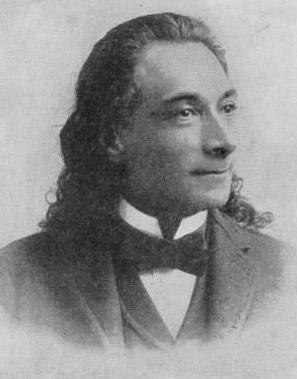
Naphtali Herz Imber (1856–1909) was a secular Jewish poet, traveler, and pioneer of the early Zionist movement whose verse became the literal voice of a modern nation. Born in Zolochiv, Galicia (then part of the Austrian Empire, now Ukraine), Imber was a restless bohemian intellectual. He received a traditional Jewish education but quickly veered into the secular Haskalah (Jewish Enlightenment) movement. His travels took him across Europe and the Ottoman Empire, eventually leading him to Palestine in 1882 as the personal secretary to the British Christian Zionist Laurence Oliphant.
Imber's monumental and permanent contribution to global hymnody is the poem "Tikvatenu" ("Our Hope"), written in Romania in 1877 and published in his first collection, Barkai (The Morning Star), in Jerusalem in 1886. The poem captured the deep, centuries-old yearning of the Jewish diaspora for a return to the historic homeland. In the late 1880s, Jewish settlers in Rishon LeZion set a modified version of the poem to a Romanian-Moldavian folk melody. Renamed "Hatikvah" ("The Hope"), the song rapidly transformed from a pioneer anthem into the official hymn of the Zionist movement, and ultimately, the national anthem of the State of Israel.
The text listed as "Kol od balevov p'nimoh" ("While yet within the heart deeply") represents the phonetic transliteration of the opening lines of this historic anthem. The hymn functions as a powerful cultural text within Protestant and interfaith hymnbooks, often included to reflect historical Jewish perspectives or themes of national restoration. Translated versions, such as "While Yet the Olden Fires Burn," allow non-Hebrew congregations to engage with the poem’s intense emotional core: the unyielding "hope of two thousand years" to live as a free people in a historic homeland.
Imber’s later life was marked by poverty and constant relocation. He immigrated to the United States in 1892, living in Chicago and later New York City, where he continued to write poetry and translate texts, such as the Rubaiyat of Omar Khayyam, into Hebrew. He died in New York in 1909 from chronic alcoholism and poverty, but his remains were later reinterred in Jerusalem in 1953. Imber remains a unique figure in hymnology, a secular, wandering poet whose verses bypassed traditional synagogue liturgy to become one of the most politically and emotionally charged anthems in modern world history.