About Nicolai F. S. Grundtvig
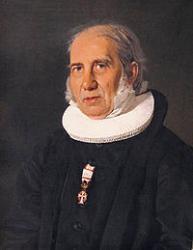
Nicolai Frederik Severin (N. F. S.) Grundtvig (1783–1872) was a titan of Danish cultural, educational, and ecclesiastical history. A theologian, poet, statesman, and philosopher, Grundtvig—alongside his contemporary Søren Kierkegaard—profoundly reshaped Danish identity. Born the son of a Lutheran pastor in Udby, Seeland, Grundtvig studied at the University of Copenhagen. Possessing a restless intellect and a fiercely versatile imagination, he found academic constraints stifling and initially turned his attention to teaching, Northern antiquities, and Norse mythology. However, his true calling emerged when he entered the ministry, sparking a lifelong crusade to awaken the Danish church from the slumber of state-enforced Rationalism.
Grundtvig’s theological career was defined by controversy and an uncompromising commitment to an energetic, living faith. His 1810 ordination sermon, provocatively titled "Why has the Lord's word disappeared from His house?", signaled his intense opposition to the fashionable intellectual skepticism of the era. His bold defense of orthodoxy reached a climax in 1825 when he published The Church's Reply (Kirkens Gjenmæle), a scathing critique of a prominent rationalist professor. The state establishment retaliated harshly: Grundtvig was fined, heavily censored, and placed under a rigorous ecclesiastical suspension that lasted for thirteen years.
During this period of enforced exile from the pulpit, Grundtvig traveled to England to study Anglo-Saxon manuscripts and channeled his immense creative energy into poetry and hymnody. Denied a traditional parish, he eventually began preaching afternoon services at a German church in Christianshavn, where he compiled his monumental hymnbook, Sang-Værk til den Danske Kirke (Song-Work for the Danish Church). In 1839, his suspension was finally lifted, and he was appointed chaplain at the Vartou hospital in Copenhagen, a position he held for the remainder of his life. His monumental impact on the nation was officially recognized in 1863 when King Frederik VII conferred upon him the honorary title of Bishop.
Within Danish hymnody, it is said that Thomas Kingo is the poet of Easter and Hans Adolph Brorson is the poet of Christmas; Grundtvig is universally revered as the Poet of Whitsuntide (Pentecost). His hymns are celebrated for their vibrant pneumatological focus, emphasizing the active, breathing presence of the Holy Spirit within the corporate body of believers. He championed the "Living Word", the belief that Christ is encountered not merely in abstract historical texts, but dynamically through the spoken word, the sacraments of Baptism and Holy Communion, and the shared song of the congregation. His hymns, such as "Built on the Rock the Church doth stand" (Kirken den er et gammelt Huus), remain foundational anthems of global ecclesiology.
Beyond the church walls, Grundtvig’s philosophy birthed the Folk High School (folkehøjskole) movement, which revolutionized Scandinavian education by offering accessible, non-academic learning focused on national literature, history, and civic life. He died suddenly in 1872 at the age of 89, having preached a vibrant sermon just the day before. He left behind a transformed nation and a staggering literary legacy that elevated the Danish language and ensured that the song of the church was inextricably bound to the heart and freedom of the people.
Profile at a Glance
| Detail | Information |
| Birth / Death | September 8, 1783 – September 2, 1872 |
| Ecclesiastical Title | Bishop (Honorary, conferred 1863) |
| Magnum Opus | Sang-Værk til den Danske Kirke |
| Liturgical Identity | The Poet of Whitsuntide (Pentecost) |
| Signature Hymn | "Built on the Rock the Church doth stand" |
| Cultural Legacy | Founder of the Folk High School Movement |
Key Theological and Educational Contributions
Grundtvig’s work sought a holistic revival of the human spirit, weaving together the secular heritage of a people with their sacred calling.
-
The "Matchless Discovery" (Den mageløse opdagelse): Grundtvig’s theological turning point was the realization that the Church and its sacraments existed before the New Testament scripture was compiled. Therefore, true faith is preserved through the oral tradition of the Apostles' Creed and the living voice of the worshipping community.
-
The Living Word over the Dead Letter: He vigorously argued against a rigid, book-centered faith, asserting that true education and true religion must come through dynamic, personal proclamation and community dialogue.
-
A National Folk-Church: He successfully fought to transform the Danish state church into a "folk-church" (folkekirke), ensuring greater local freedom for congregations to choose their own pastors and form independent faith communities within the national framework.