About Otis Deaton
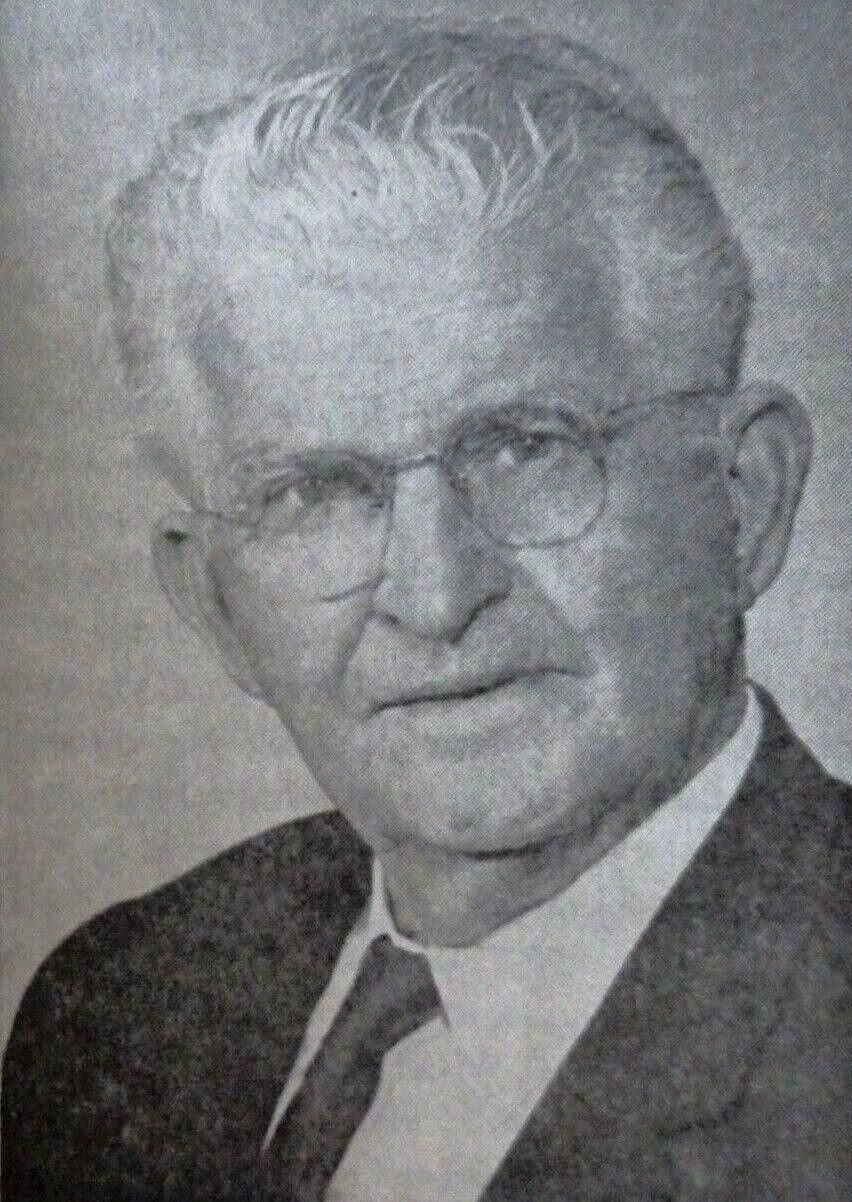
John Otis Deaton (1891–1985) was an American gospel songwriter and lyricist whose prolific output helped shape the landscape of 20th-century Southern gospel and convention-style hymnody. Born in Texas, Deaton spent his life deeply embedded in the rural and small-town singing traditions of the American South and Southwest, eventually passing away in Arkansas at the age of ninety-three. Writing primarily during the golden age of shape-note gospel music publishing, he was an exceptionally active contributor to the convention songbooks issued by regional publishing houses. His catalog boasts more than fifty published hymns and convention songs, which were written to be easily learned, harmonized, and sung by local quartets and community singing conventions.
Deaton’s lyricism was characterized by an optimistic, accessible, and intensely practical approach to Christian piety, perfectly mirroring the encouragement-focused themes of the post-Depression gospel movement. Rather than focusing on dense, abstract theological dogmas, his verses utilized common, comforting metaphors of travel, labor, and perseverance. Songs such as "I'm Traveling on the Glory Highway," "I'm Sailing on the Troubled Sea," and "As We Travel Along to Glory" presented the Christian life as an active, forward-moving journey toward eternity. He also possessed a distinct knack for writing cheerful, didactic songs aimed at everyday Christian character, such as his widely published piece "Are You Giving to the World a Smile?" and the comforting "Let Me Pillow My Head on the Promise of God."
A recurring motif throughout Deaton's extensive body of work was a deep sense of personal assurance coupled with a distinct focus on the final reward of the believer. Songs like "The Lord Has Been So Good to Me" and "What a Happy Time 'Twill Be" focused on the immediate joy of divine fellowship, while pieces like "Lo! The Grain is Ripe and Ready" and "Reapers, Awake and Reap the Grain" highlighted his commitment to the traditional theme of spiritual harvest and evangelistic urgency. Deaton's legacy is that of a faithful, grassroots shape-note poet whose rhythmic, memorable verses provided a steady stream of musical encouragement for generations of singers across the convention circuits of the American South.