About Steve Cook and Vikki Cook
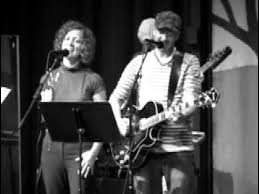
Steve and Vikki Cook are influential American songwriters and worship leaders who have played a significant role in the "Modern Hymn" movement of the late 20th and early 21st centuries. Long associated with Sovereign Grace Music, they have spent decades crafting songs that bridge the gap between contemporary musical styles and Reformed, historically rooted theology. Their work is characterized by a "folk-hymn" sensibility—melodies that are easily sung by a congregation but lyrics that offer a rigorous, verse-by-verse exploration of biblical doctrines.
The Cooks are perhaps best known for their contribution to the modern liturgical repertoire through songs that focus on the character of God and the work of Christ. Their most enduring works include:
-
"I Will Glory in My Redeemer": A hallmark of their writing style, this hymn is a powerful declaration of substitutionary atonement. Its structure, moving from the Redeemer's blood to His grace and finally to His heavenly reign, mirrors the progression of classic 18th-century hymns.
-
"Great is the Fortune": Often used in services focusing on the "unsearchable riches" of Christ, this song highlights their ability to take complex theological themes and make them accessible for corporate worship.
-
"Before the Throne of God Above": While the lyrics were originally written in 1863 by Charitie Lees Smith, Steve and Vikki Cook were instrumental in the modern resurgence of this text. Along with other Sovereign Grace writers, they helped popularize the contemporary settings that brought this "forgotten" hymn back into global use.
Beyond their songwriting, Steve and Vikki have served as mentors and producers within the worship music community. Their approach often prioritizes the "singability" of a text, ensuring that the range and rhythm are suitable for a room full of people rather than just a solo performer. This commitment to the "congregational voice" aligns them with other modern hymn writers like Keith and Kristyn Getty or Stuart Townend.
As you document their work, it is worth noting that they represent a specific shift in worship music: a move away from the "me-centered" lyrics of some early contemporary worship toward a more objective, "God-centered" focus. Their legacy is found in the hundreds of churches that now use their songs to teach deep theological truths through the medium of contemporary folk and acoustic music.