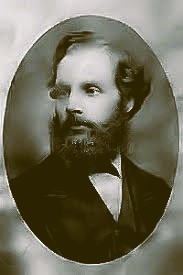
About Thomas Ryder
Thomas Ryder (frequently credited in historical hymnals as Rev. T. Ryder or T. Ryder) was a 19th-century evangelical clergyman and hymn writer whose documented legacy is defined by a single, highly influential sacramental anthem. While his exact birth and death dates remain elusive in standard biographical indexes, his structural work in gospel hymnody secured him a prominent global footprint, particularly within traditions that emphasize adult believer's baptism by immersion.
Though Ryder is credited with at least four distinct texts, his entire standing in international hymnology rests upon a single, powerfully descriptive baptismal masterpiece:
"Buried with Christ and raised with Him too!"
The hymn is a brilliant, direct poetic exposition of the Apostle Paul’s theology of grace found in Romans 6:4 ("Therefore we are buried with him by baptism into death: that like as Christ was raised up from the dead by the glory of the Father, even so we also should walk in newness of life").
Lyrical and Structural Analysis
Ryder designed the text to be sung explicitly during or immediately following the act of immersion. It moves systematically through the physical actions of the baptismal candidate, mapping them directly onto the historical death, burial, and resurrection of Jesus Christ:
-
The Burial (Stanza 1): As the believer steps down into the waters, the font is framed as a "liquid grave." Going beneath the water symbolizes the absolute death of the old, sinful nature and the burial of past guilt.
-
The Resurrection (Stanza 2): Emerging from the water represents breaking free from the power of death, stepping out into the blinding light of a completely transformed, Spirit-led existence.
-
The New Covenant (Stanza 3): The text closes with a vow of lifelong discipleship, declaring that the believer's life is now permanently hidden with Christ in God.
Hymn Excerpt: The Baptismal Confession
Buried with Christ and raised with Him too, What a wonderful change grace can pursue! Dead to the old life of failure and sin, Risen to let the new kingdom begin.
Global Footprint and Cross-Cultural Impact
The immense practical utility of Ryder’s text as an explicit, first-person declaration of faith caused it to become a foundational staple for Baptist, Brethren, and independent evangelical missions worldwide, achieving publication in over 35 major hymnal instances.
Because early Western missionaries viewed Ryder's text as a perfect, concise summary of the gospel for new converts, the hymn was translated into several primary mission languages, establishing a permanent international presence:
-
The Chinese Translation: Rendered as 與主同葬,也一同復活 (Buried with the Lord, and raised together), the text became a standard, historic baptismal anthem utilized by early Protestant churches throughout mainland China and Taiwan.
-
The German Translation: Translated as Ich bin erstanden mit Christo nun (I am risen with Christ now), the hymn was integrated into continental European free-church collections.
Beyond this baptismal milestone, Ryder is credited with the deeply personal, pleading devotional lyric "O Lord, I lift my prayer to thee." While the specific details of his earthly ministry remain obscured by time, Thomas Ryder successfully realized the ultimate calling of a sacred poet: his personal biography faded cleanly into the background, leaving behind a vivid, singing script for millions of believers to declare their identity at the water's edge.