About W. G. Wills
Whitefield Glanville Wills (1841–1891) was a 19th-century English nonconformist hymn writer, poet, and member of one of Bristol's most prominent industrial and philanthropic families. Born into the wealthy Wills tobacco dynasty renowned across Victorian Britain for their vast commercial success and massive financial endowments to educational and religious institutions, Whitefield Wills chose to channel his personal energies and resources into the spiritual and moral education of children.
Though his life was cut short just as his works were gaining national recognition, his simple, rhythmically bright children's hymns became staples of late-Victorian Sunday school literature.
The Heritage of Bristol: Wealth, Faith, and Nonconformity
Whitefield Glanville Wills was born in Bristol, England, on October 28, 1841. He was the son of Henry Overton Wills II, a towering figure in the English industrial landscape. The Wills family ran W.D. & H.O. Wills, a massive commercial enterprise that dominated the tobacco import and manufacturing industry throughout the British Empire.
Crucially, the family did not use their staggering wealth solely for personal luxury. As staunch, devout Nonconformists (Christians who chose to worship outside the established Church of England), the family poured millions of pounds into building churches, supporting the YMCA, and funding the establishment of the University of Bristol.
                       ┌───────────────────────────────┐
                       │     THE WILLS FAMILY LEGACY   │
                       └───────────────┬───────────────┘
                                       │
         ┌─────────────────────────────┴─────────────────────────────┐
         ▼                                                           ▼
THE INDUSTRIAL EMPIRE                                      THE SACRED VOCATION
W.D. & H.O. Wills Tobacco Co.; pioneered                   Whitefield Wills bypassed manufacturing
massive commercial trade & civic philanthropy.             to author devotional hymns for children.
Raised in this intensely philanthropic and deeply religious environment, Whitefield Wills grew up with a profound sense of social and spiritual responsibility. Rather than immersing himself fully in the complex mechanics of industrial manufacturing, he developed a sharp focus on pastoral care, domestic devotions, and religious education.
The 1881 Collection and the Ministry to Children
In the mid-19th century, the British Sunday School movement was undergoing a massive transformation. Educators began realizing that forcing young children to memorize dense, highly abstract 18th-century theological dogmas often alienated them from the church. A demand arose for a completely fresh style of hymnody—songs that featured bright, accessible imagery, cheerful meters, and themes that directly connected the Christian faith to the daily, lived experiences of a child.
Wills stepped directly into this creative gap. In 1881, he privately printed a slim, highly focused volume titled Hymns for Occasional Use. This collection was filled with original compositions tailored for family prayers, evening devotions, and youth gatherings.
Wills’s text structure was deliberately clean, utilizing short, scannable lines and highly comforting, rhythmic language that could be easily memorized by young minds.
Landmark Hymns and the 1891 Breakthrough
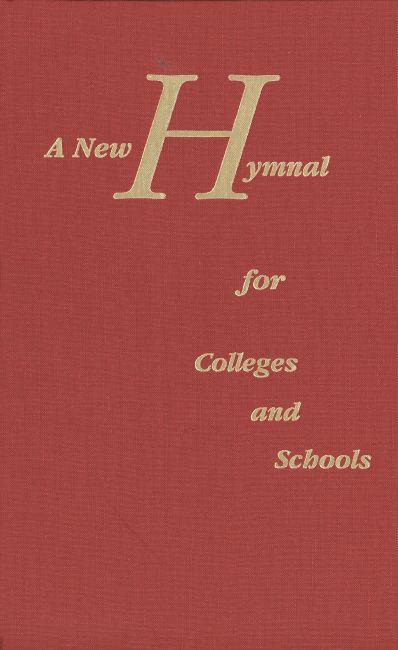
By the dawn of the 1890s, Wills's reputation for writing stellar youth anthems caught the attention of major hymnal editors. His breakthrough arrived in 1891 when three of his premier texts were selected for publication in School Hymns, a widely distributed national hymnal specifically designed for British schools and juvenile assemblies.
According to the historic hymnologist John Julian, Wills’s core contributions included:
1. In Our Work and in Our Play
Written in September 1891, this piece stands as Wills’s final, poignant contribution to hymnody, composed just weeks before his death. The text is a beautiful, rhythmic prayer that seeks to bridge the artificial gap between sacred church life and ordinary childhood activity. By asking Jesus to "ever with us stay" during both schoolhouse labor and backyard games, Wills taught children that God is not a distant, stern judge, but an immediate, loving companion in every facet of life.
Hymn Excerpt: The Companion of the Day
In our work and in our play, Jesus, ever with us stay; Forming thoughts of pure delight, Guarding through the darksome night.
2. Father, Thy Children Come To-night
Originally composed around 1876 and later included in his 1881 collection, this gentle evening hymn was designed as a corporate bedtime prayer, comforting children against the natural fears of darkness by wrapping them in the assurance of divine protection.
3. We Bring to Thee, Dear Saviour
Written around 1880, this hymn functions as an anthem of pure child-like trust, encouraging young singers to offer their talents, simple prayers, and futures unreservedly to Christ.
A Household of Faith: Lucy Helen Wills
Whitefield Wills’s deep commitment to devotional writing was fully shared within his own home. He married Lucy Helen Hebblethwaite, a woman of deep faith and equal poetic talent.
The exact same 1891 School Hymns collection that brought Whitefield's work to the national stage also featured a prominent hymn authored by Lucy. Her anthem, titled "Always with Thee! Ever near!", stands as a profound, beautifully constructed meditation on absolute trust in God's presence through times of emotional isolation. Together, the couple modeled a shared domestic ministry of sacred poetry.
Summary of Life and Hymnological Footprint
| Hymn Title | Date of Composition | Intended Liturgical Use | Core Theological Focus |
|---|---|---|---|
| In Our Work and in Our Play | September 1891 | Children's Daily Walk | The presence of Christ in ordinary secular and recreational activities. |
| Father, Thy Children Come To-night | c. 1876 | Evening Prayer / Vespers | Peace, shelter, and corporate thanksgiving at the close of day. |
| We Bring to Thee, Dear Saviour | c. 1880 | Devotional Consecration | Dedicating youth, energy, and trust to the savior. |
|
Always with Thee! Ever near! (By Lucy Helen Wills) |
c. 1891 | Introspective Faith / Trust | Unwavering divine companionship across all changing seasons. |
Whitefield Glanville Wills passed away on October 2, 1891, at Ealing, West London, at forty-nine years of age. Tragically, he died in the very same year that his hymns were formally published in School Hymns, never living to see the full extent of how his words would echo through British classrooms and chapels.
While his extended family’s historical legacy is permanently etched into the grand stone architecture and university halls of Bristol, Whitefield’s unique legacy was far more intimate. By translating his family's deep faith into clear, comforting verses for the very young, he provided a generation of children with a gentle, enduring vocabulary to sing of God's presence in their daily work and play.