About W. Y. Fullerton
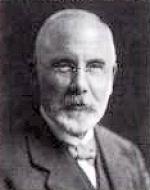
The Reverend William Young Fullerton (1857–1932) was a towering figure in late Victorian and early twentieth-century British evangelicalism, serving as an influential Baptist pastor, denominational administrator, prolific biographer, and hymnologist. Born in Belfast, Ireland, on March 8, 1857, Fullerton grew up in a traditional Presbyterian household but later threw his life into the Baptist movement after moving to London.
Standing physically tall yet universally remembered for his gentle, approachable kindness, Fullerton spent his long career coordinating global missionary efforts and fueling regional revivals. His deep, reflective faith found its ultimate creative outlet in the 1920 landmark gospel hymn "I Cannot Tell," which remains one of the most beloved theological meditations on the mystery of the Incarnation.
The Protégé of Charles Spurgeon
As a young man seeking his spiritual path in London, Fullerton came under the direct influence of the legendary "Prince of Preachers," Charles Haddon Spurgeon. Recognizing the young Irishman's exceptional oratorical capacity and deep integrity, Spurgeon took Fullerton under his wing, becoming a lifelong mentor and close personal friend. Under Spurgeon’s guidance, Fullerton entered the ministry and quickly established himself as a powerful evangelist.
His major pastoral breakthrough came at Melbourne Hall in Leicester, an innovative, purpose-built evangelistic center. For many years, Fullerton led this massive congregation, pioneering creative community outreach programs and weekly evangelistic campaigns that drew thousands of working-class people into a vibrant faith. His success in Leicester catapulted him to national prominence within the denomination.
Denominational Leadership and the Keswick Movement
Fullerton's sharp administrative mind and global vision eventually called him away from local pastoring into national leadership. He served with great distinction as the President of the Baptist Union of Great Britain and Ireland and spent years as the Home Secretary of the Baptist Missionary Society. In this critical role, he oversaw the strategic deployment, funding, and logistical support of hundreds of missionaries serving across Asia, Africa, and the Caribbean.
                  ┌────────────────────────────────────────┐
                  │    WILLIAM Y. FULLERTON'S DUAL LEGACY  │
                  └───────────────────┬────────────────────┘
                                      │
         ┌────────────────────────────┴────────────────────────────┐
         ▼                                                         ▼
 GLOBAL MISSIONARY LEADER                                 PROLIFIC LITERARY AUTHOR
 Directed the Baptist Missionary Society;                 Penned definitive biographies of John Bunyan,
 main platform speaker at the Keswick Conventions.         C.H. Spurgeon, and F.B. Meyer.
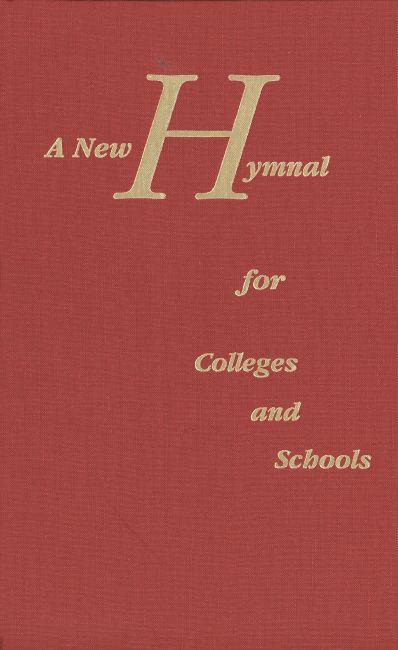
In addition to his administrative duties, Fullerton was a highly sought-after speaker at the famous Keswick Conventions, where he preached alongside the leading lights of the Higher Life movement. He also left a massive literary footprint, compiling several church hymnals and writing definitive, critically acclaimed biographies of major Christian giants, including John Bunyan, F.B. Meyer, and his own mentor, Charles Spurgeon.
Landmark Masterpiece: "I Cannot Tell"
While Fullerton published multiple books and several highly regarded verses, his permanent place in international hymnology was secured by a single magnificent text written in 1920: "I Cannot Tell why He, whom angels worship."
The Mystery of Redeeming Love
The enduring power of "I Cannot Tell" lies in its brilliant structure, which balances human limitation against divine certainty. In each of the four expansive stanzas, Fullerton begins by honestly acknowledging a profound theological mystery that human intellect cannot fully fathom, such as why the King of Heaven would choose to be born in a lowly manger, or how He will ultimately judge the earth.
However, each stanza triumphantly shifts halfway through to declare an unshakeable, experiential truth that every believer can know with absolute certainty. When paired with the soaring, traditional Irish traditional melody LONDONDERRY AIR (the same tune used for "Danny Boy"), the emotional and spiritual impact of the hymn became legendary.
Hymn Excerpt: The Great Symmetry of Faith
I cannot tell why He, whom angels worship,
Should set His love upon the sons of men,
Or why, as Shepherd, He should seek the wanderers,
To bring them back, they know not how or when.
But this I know, that He was born of Mary,
When Bethlehem’s manger was His only home,
And that He lived at Nazareth and labored,
And so the Savior, Savior of the world, is come.
An International and Multilingual Repertoire
Because Fullerton’s masterwork relied on the grand, core themes of classical Christian orthodoxy rather than passing emotional trends, it transitioned effortlessly across global cultural boundaries. Foreign missionaries immediately recognized that the marriage of Fullerton's deep text with the haunting beauty of the Irish melody made it an incredibly effective tool for worship, leading to its translation into dozens of global tongues:
| Language | Regional Hymn Title / Incipit | Core Liturgical Focus |
| Portuguese | Não sei por que o amor foi revelado | The absolute certainty of divine grace amid human ignorance. |
| Spanish | No sé por que el que recibe adoración | Christ's humility, the Incarnation, and His eventual return. |
| Sinhala | දෙව්දූතුන්ගේ වැඳුම් ලත් හිමි තුමා | The global scope of Christ's healing power and reign. |
| English | Hark to the voices of the earth | Missionary awakening, social compassion, and world harvest. |
Final Years and Enduring Impact
William Young Fullerton passed away peacefully at Bedford Park, Middlesex, on August 17, 1932, at seventy-five years of age, leaving behind a legacy of immense pastoral and literary achievement.
While his administrative structures have evolved and his historical missionary reports are now kept in specialized denominational archives, his voice remains incredibly vibrant in modern church life. By pouring his deep theological maturity into a beautifully structured poem and matching it with one of the greatest melodies in human history, the gentle Irish preacher provided a timeless vocabulary for believers to celebrate the glorious mysteries of their faith.