About Wayne Hooper
Dr. Wayne Hooper (1920–2007) was a monumental American composer, arranger, baritone vocalist, and musical editor whose creative output anchored the global broadcast and liturgical ministry of the Seventh-day Adventist Church for over half a century. Born in Little Rock, Arkansas, on July 4, 1920, Hooper combined an innate gift for vocal harmony with a highly disciplined academic training in composition and orchestration.
Best remembered as the long-serving musical cornerstone of the Voice of Prophecy radio broadcast and the baritone voice of the world-famous King's Heralds quartet, Hooper reshaped modern Adventist hymnody. His profound musicological legacy culminated in his role as the primary musical co-editor of the landmark 1985 Seventh-day Adventist Hymnal and the co-author of its definitive companion encyclopedia.
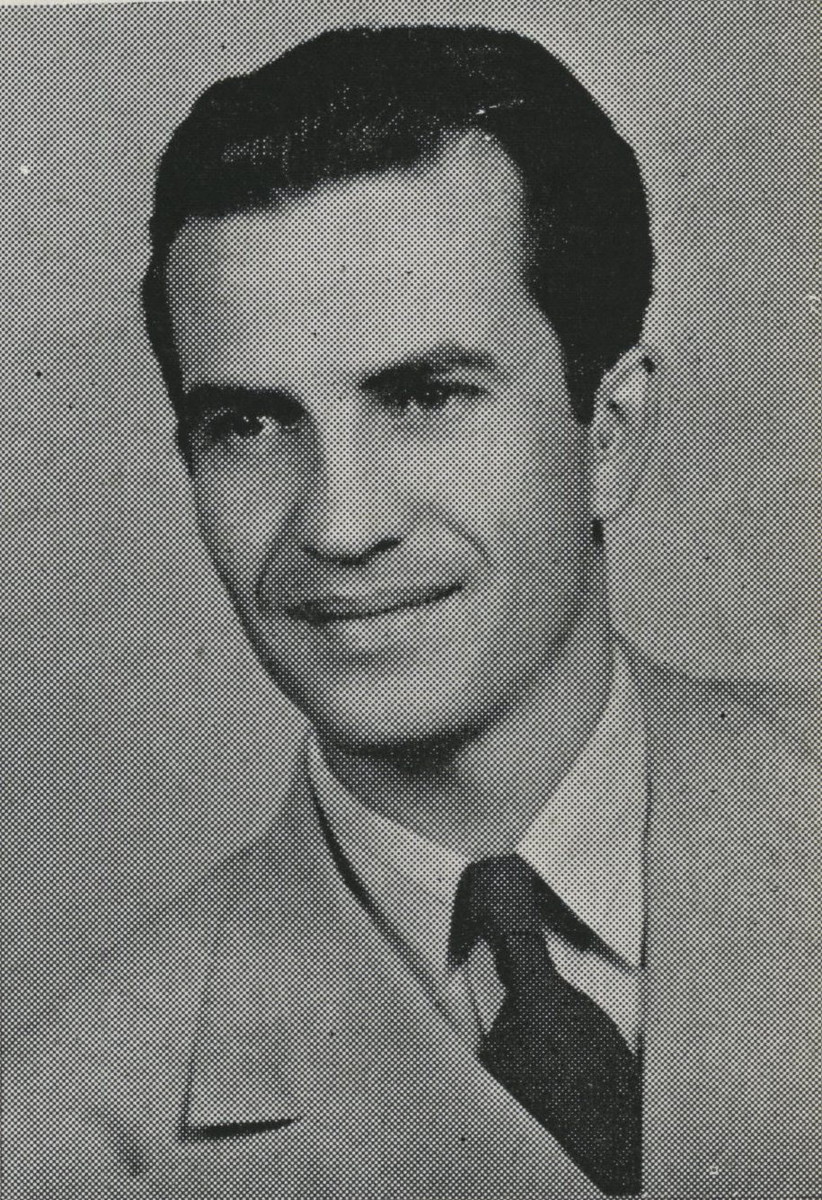
Dr. Wayne Hooper. Source: - Hymns for Worship
The Voice of Prophecy and the King's Heralds
Wayne Hooper’s musical pathway was deeply intertwined with the emergence of religious broadcasting in the mid-twentieth century. After pursuing formal musical studies, he joined the Voice of Prophecy international radio ministry, a pioneering broadcast launched by H.M.S. Richards, Sr. Hooper served as a member of the ministry's flagship vocal ensemble, the King's Heralds quartet, singing baritone for eighteen years.
His contribution to the ensemble extended far beyond his vocal performances. Hooper operated as the quartet’s primary arranger and composer for thirty-three years, establishing the group's signature close-harmony style. He arranged thousands of traditional hymns, early American folk melodies, and gospel songs for male voices, creating a highly polished acoustic identity that was broadcast over hundreds of radio stations globally and distributed on dozens of Chapel Records albums.
The King's Heralds Quartet (Wayne Hooper, top center). Source: Wikipedia
Academic Leadership and Institutional Impact
Beyond the recording studio and the broadcast booth, Hooper was a dedicated educator and administrator. He taught music at Portland Academy in Oregon and Union College in Lincoln, Nebraska, helping train a new generation of church musicians and choral directors.
Later in his career, he served as the musical director for the Voice of Prophecy, oversaw the development and marketing strategies of Hosanna House, and provided complex orchestration and arranging services for commercial sacred recordings. His lifetime contribution to sacred music was formally recognized by academia when both Andrews University and La Sierra University awarded him honorary Doctor of Music degrees.
                    ┌───────────────────────────────────────┐
                    │     WAYNE HOOPER'S DOUBLE LEGACY      │
                    └───────────────────┬───────────────────┘
                                        │
         ┌──────────────────────────────┴──────────────────────────────┐
         ▼                                                             ▼
 VOCALIST & BROADCASTER                                       HYMNOLOGIST & ARCHITECT
 Sang baritone and arranged for the King's                    Co-edited the 1985 SDA Hymnal; composed
 Heralds; shaped global radio ministries.                      timeless tunes and companion volumes.
Architect of the 1985 Seventh-day Adventist Hymnal
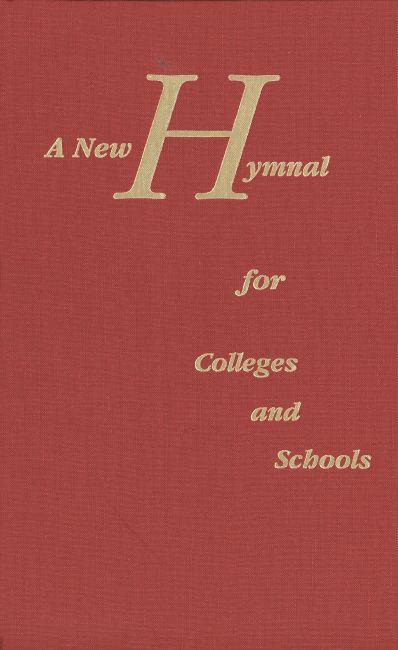
In the early 1980s, the General Conference of Seventh-day Adventists formed a committee to completely overhaul the denomination's 1941 songbook. Because of his vast knowledge of congregational singing, vocal arranging, and historical theology, Hooper was appointed as the musical co-editor for the project.
The resulting publication, the 1985 Seventh-day Adventist Hymnal, remains the primary corporate songbook for millions of believers worldwide. Hooper's sharp ear ensured that the collection retained historic reformation chorales and early American shape-note melodies while cleanly incorporating contemporary global worship songs.
Following the release of the hymnal, Hooper spent years co-authoring the massive Companion to the Seventh-day Adventist Hymnal, providing researchers with exhaustive biographical and historical documentation for every text and tune in the collection.
Summary of Core Tune Contributions and Arrangements
Wayne Hooper's catalog includes over twenty prominent original hymn tunes and highly utilized arrangements, characterized by their clean vocal lines and smooth, singable chord structures.
| Tune Name | Original Function / Role | Core Musical Character | Notable Hymnal Implementation |
|---|---|---|---|
| GENERAL CONFERENCE | Original Composition | Triumphant, rhythmically steady, and majestic corporate structure. | Composed for major international denominational assemblies. |
| CASCADEL | Original Composition | Flowing, melodic, and highly lyrical part-writing. | Utilized for meditative and devotional texts. |
| DAVID | Original Composition | Bright, accessible intervals designed for youth or choral harmony. | Included in twentieth-century regional collections. |
| MIZPAH | Original Composition | Contemplative, reassuring, and balanced cadence. | Written as a parting blessing or valedictory hymn. |
| HOLY MANNA | Masterful Arrangement | Rich, four-part vocal adaptation of the classic early American melody. | Standardized the folk tune for modern congregational use. |
| PISGAH | Masterful Arrangement | Smooth harmonic movement adapting a traditional shape-note theme. | Preserved the early American frontier singing style. |
| ASH GROVE | Masterful Arrangement | Warm, pastoral setting of the traditional Welsh folk melody. | Paired with texts focusing on creation and harvest. |
Death and Unfading Harmony
Wayne Hooper passed away peacefully at his home in Thousand Oaks, California, on February 28, 2007, at eighty-six years of age. He left behind an unparalleled legacy of media ministry, choral architecture, and historical scholarship.
While his specific radio scripts and early tape recordings are now housed in denominational archives, Hooper's musical choices continue to shape the weekly corporate identity of a global church community. Every time a four-part congregation blends its voices to sing a clean, resonant frontier arrangement or looks up an author's history in the definitive companion encyclopedia, the baritone arranger from Little Rock continues to guide the harmony.