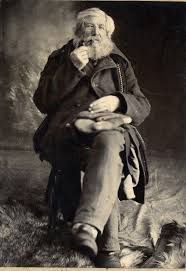
About William A. Spencer
The Reverend Dr. William Anson Spencer (1840–1901) was an influential nineteenth-century American Methodist Episcopal clergyman, institutional administrator, vocalist, and gospel song writer. Born in Rock Island, Illinois, on September 6, 1840, Spencer dedicated his adult life to the aggressive expansion of the Methodist church infrastructure across the American frontier, serving for nearly two decades as an effective itinerant pastor before stepping into high-level national leadership.
As a chief executive of the Methodist Board of Church Extension, he directed the funding and physical construction of thousands of local chapels across rural America. Alongside this administrative prowess, Spencer was a gifted musician who utilized his expressive singing voice and emotionally resonant gospel poems to fuel the evangelistic revivals of the late Gilded Age.
Early Ministry and Pastoral Foundations
William Anson Spencer grew up on the Illinois frontier and entered the ministry of the Methodist Episcopal Church as a young man. Between 1867 and 1885, he operated within the bounds of the Rock River Conference in northern Illinois, an area experiencing rapid population growth and urbanization. Spencer traveled extensively, serving numerous local parishes and gaining a regional reputation for his structural organizing skills, warm pastoral counseling, and dynamic singing.
His steady success in the rural districts led to his appointment as the senior pastor of the historic First Methodist Episcopal Church in Chicago in 1885. Though his assignment to this prominent urban pulpit was cut short after just six weeks due to an unexpected promotion to the national denominational headquarters, his time in Chicago solidified his status as one of the region's most capable and forward-thinking ecclesiastical leaders.
Executive Leadership and Denominational Expansion
In the fall of 1885, Spencer relocated to Philadelphia, Pennsylvania, having been elected to serve as the assistant Corresponding Secretary for the Methodist Episcopal Board of Church Extension. Operating alongside the board's legendary senior officer, Dr. Alpha Jefferson Kynett, Spencer took on the monumental task of raising funds, managing loans, and supplying architectural blueprints to build new churches in developing western territories.
                    ┌───────────────────────────────────────┐
                    │    WILLIAM A. SPENCER'S DUAL CAREER   │
                    └───────────────────┬───────────────────┘
                                        │
         ┌──────────────────────────────┴──────────────────────────────┐
         ▼                                                             ▼
  CHURCH EXTENSION LEADER                                       GOSPEL SONG WRITER
  Managed national building funds, overseeing                  Penned deeply emotional, scriptural texts
  the erection of thousands of frontier chapels.                focusing on hope, perseverance, and heaven.
Spencer proved to be a masterful financial strategist and public advocate. Following Dr. Kynett’s death in 1899, the General Conference of 1900 formally elevated Spencer to the position of chief Corresponding Secretary, placing him at the absolute head of the organization. Under his direct oversight, the board assisted in the erection of thousands of Methodist chapels across the United States, providing stable religious centers for far-flung frontier communities.
Hymnological Legacy: The Hope of Transformation
While Spencer’s daylight hours were consumed by ledger sheets, architectural drafts, and administrative travel, his quiet hours were spent writing poetry and composing melodies. Operating firmly within the late nineteenth-century gospel song movement, Spencer wrote lyrics that favored an intimate, highly encouraging, and scripturally grounded vocabulary.
The Standard Masterpiece: "I Shall Be Like Him"
Spencer's permanent contribution to global hymnody was secured by his deeply moving 1897 text and tune, "When I shall reach the more excellent glory" (universally known by its triumphant refrain, "I Shall Be Like Him"). Rooted directly in the New Testament promise found in 1 John 3:2—that believers will be thoroughly conformed to the image of Christ when they see Him face to face—the hymn beautifully captures the dual themes of earthly endurance and ultimate heavenly transformation.
Unlike many of his contemporaries who wrote solely about the far-off joys of heaven, Spencer added a vital progressive element in his second stanza, reminding singers that this transformation should actively begin in the present day. When paired with his own simple, soaring, and highly singable melody, the hymn became an instant staple of camp meetings, revivals, and evangelical songbooks, appearing in seventy major corporate collections across multiple denominations throughout the twentieth century.
Hymn Excerpt: The Present and Future Image
When I shall reach the more excellent glory,
And all my trials are passed,
I shall be like Him, O wonderful story!
I shall be like Him at last.
We shall not wait till the glorious dawning
Breaks on the vision so fair;
Now we may welcome the heavenly morning,
Now we His image may bear.
Summary of Core Hymnological Repertoire
Spencer authored numerous popular gospel songs and occasional pieces, characterized by an urgent call to Christian service and an unshakeable confidence in eternal victory.
| Hymn Title / Common Incipit | First Copyright / Date | Primary Liturgical Focus | Notable Historical Implementations |
|
When I shall reach the more excellent glory (I Shall Be Like Him) |
Published 1897 | Glorification, heavenly hope, and Christlikeness. | Maintained in standard evangelical and holiness songbooks. |
| Brother for Christ's kingdom sighing | Late Nineteenth Century | Persistent prayer, evangelism, and revival. | Frequently utilized in Methodist regional assemblies. |
| The seed I have scattered in springtime | Late Nineteenth Century | The spiritual harvest, tearful labor, and reward. | Paired with agricultural or missionary collections. |
| Companions in this holy war | Late Nineteenth Century | Christian fellowship, endurance, and shared struggle. | Written specifically for camp meeting choruses. |
| Only when victory ends the fray | Late Nineteenth Century | Perseverance under trial and final perseverance. | Designed as an encouraging anthem for urban missions. |
Death and Unchanging Witness
The heavy, relentless burdens of managing a national building program eventually took a toll on Spencer's physical health. On September 25, 1901, while in Philadelphia directing the affairs of the Board of Church Extension, William Anson Spencer passed away unexpectedly at sixty-one years of age. Following his death, his body was returned to his childhood home and buried in Chippiannock Cemetery in Rock Island, Illinois. His spiritual and literary legacy was carried forward into the twentieth century by his daughter, Clarissa Spencer, who became a notable hymnist and global religious leader in her own right.
While his executive administrative records, church charter documents, and frontier building receipts are now studied by historians tracing the physical expansion of American Methodism, Spencer's voice remains active in corporate worship. Every time an evangelical congregation lifts its voice to sing his rhythmic, confident assurance of final perfection, the traveling builder from Illinois continues to remind travelers that the final goal of all earthly trial is to be made beautifully like the Divine Master.