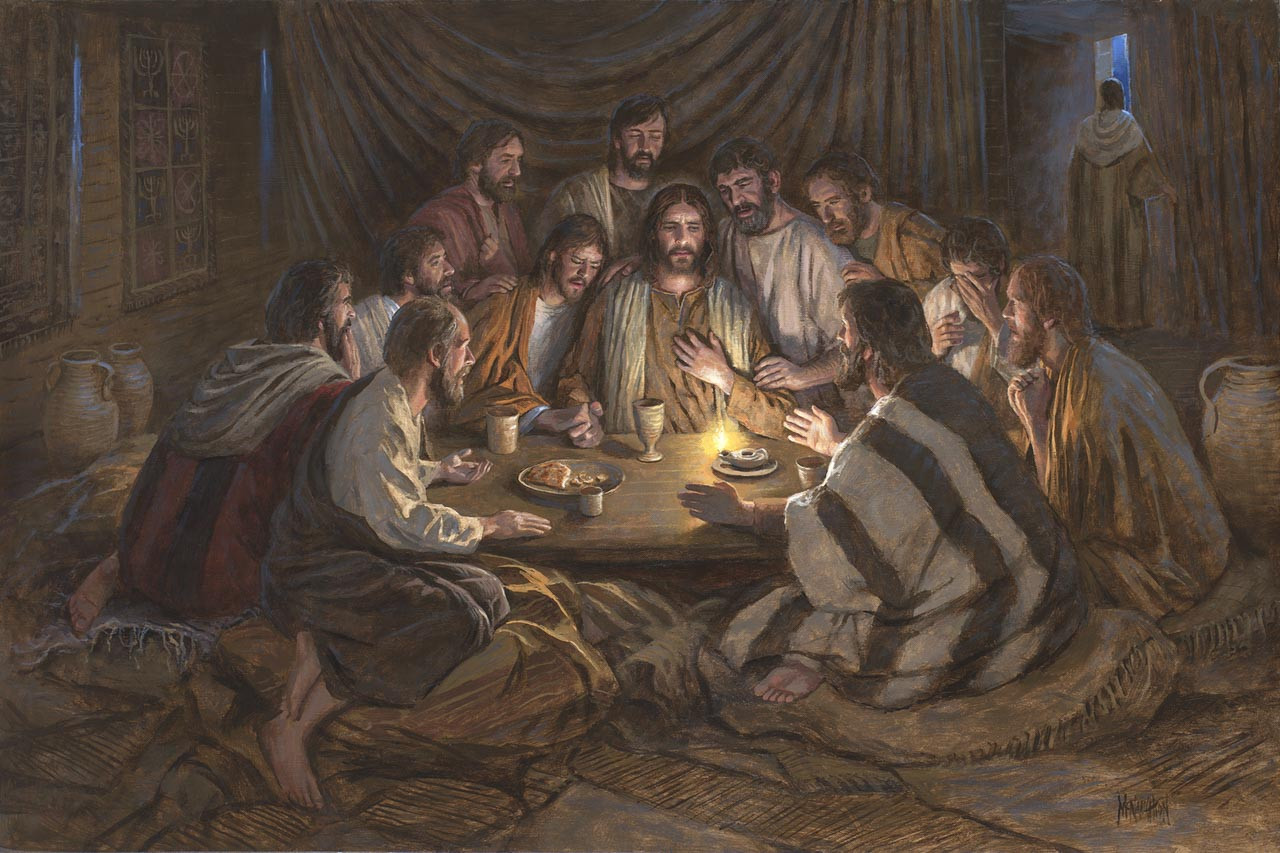
What Hymn Was Sung at the Last Supper?
The question, “What hymn was sung at the Last Supper?” is one that often comes up in Christian study and worship discussions. While the Bible does not explicitly name a specific hymn, historical and biblical context provides a clear and meaningful answer: Jesus and His disciples likely sang from the Hallel Psalms, a collection of Psalms traditionally sung during the Jewish Passover celebration.
The Last Supper and the Passover Connection
The Last Supper was not just any meal; it was a Passover feast (Matthew 26:17-30, Mark 14:12-26, Luke 22:7-20). Passover was, and still is, a pivotal Jewish festival commemorating God’s deliverance of Israel from slavery in Egypt. As part of the Passover liturgy, it was customary to sing Psalms 113 through 118, known collectively as the Hallel Psalms.
These Psalms express praise and thanksgiving for God’s salvation and faithfulness. The Jewish tradition was to sing these in two parts: some before the meal and others afterward.
What Are the Hallel Psalms?
The Hallel Psalms include:
-
Psalm 113: A joyful call to praise God, who is exalted above all nations.
-
Psalm 114: Celebrates God’s mighty power in delivering Israel from Egypt.
-
Psalm 115: Affirms that God alone is worthy of worship.
-
Psalm 116: Expresses personal thanksgiving for deliverance from death.
-
Psalm 117: The shortest Psalm, calling all nations to praise the Lord.
-
Psalm 118: The climactic Psalm of thanksgiving, containing verses such as, “This is the day which the Lord hath made; we will rejoice and be glad in it” (Psalm 118:24).
Given the significance of these Psalms during Passover, it is almost certain that Jesus and His disciples sang from this collection during the Last Supper.
Why Does This Matter?
Understanding the hymn sung at the Last Supper deepens our appreciation of the event itself. It highlights how Jesus observed Jewish traditions while fulfilling them in a new way through His sacrifice. The singing of the Hallel Psalms was a way to acknowledge God’s ongoing work of salvation, something Jesus embodied as the true Passover Lamb.
While we don’t have a direct verse telling us the exact hymn, biblical and historical evidence strongly supports that Jesus and His disciples sang from the Hallel Psalms (Psalms 113-118) during the Last Supper. These Psalms, rich with praise and thanksgiving, remind us of God’s faithfulness and the hope we have in Christ’s redemptive work.

No comments yet. Be the first to share your thoughts!