




13 Traditional Hymns for Easter Sunday
Mar 12, 2026
Complete in Thee (No Work of Mine)
Lyrics
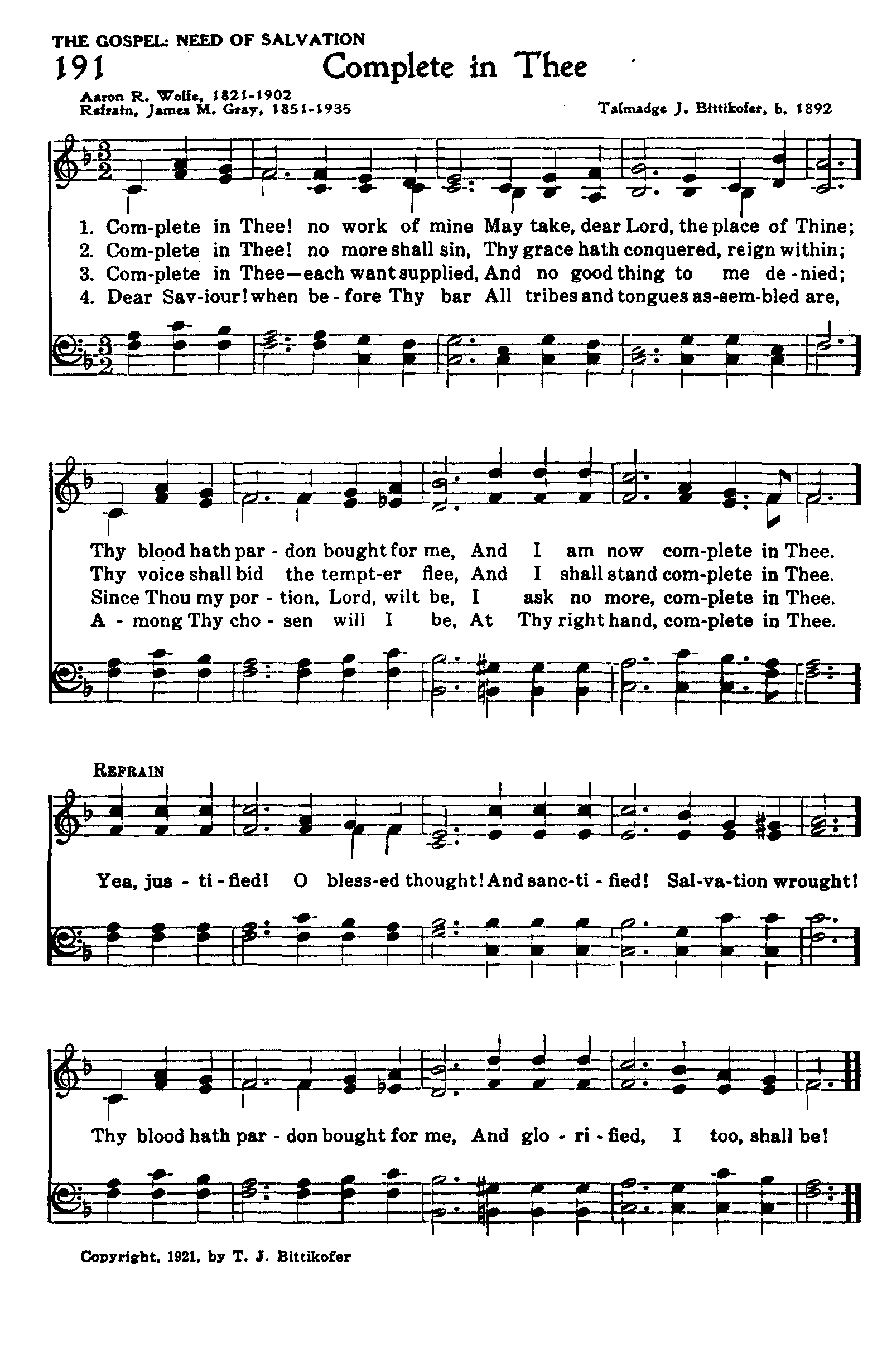
1. Complete in Thee! no work of mine
May take, dear Lord, the place of Thine;
Thy blood hath pardon bought for me,
And I am now complete in Thee.
May take, dear Lord, the place of Thine;
Thy blood hath pardon bought for me,
And I am now complete in Thee.
Refrain:
Yea, justified! O blessed thought!
And sanctified! Salvation wrought!
Thy blood hath pardon bought for me,
And glorified, I too, shall be!
Yea, justified! O blessed thought!
And sanctified! Salvation wrought!
Thy blood hath pardon bought for me,
And glorified, I too, shall be!
2. Complete in Thee! no more shall sin,
Thy grace hath conquered, reign within;
Thy voice shall bid the tempter flee,
And I shall stand complete in Thee.
Thy grace hath conquered, reign within;
Thy voice shall bid the tempter flee,
And I shall stand complete in Thee.
3. Complete in Thee--each want supplied,
And no good thing to me denied;
Since Thou my portion, Lord, wilt be,
I ask no more, complete in Thee.
And no good thing to me denied;
Since Thou my portion, Lord, wilt be,
I ask no more, complete in Thee.
4. Dear Saviour! when before Thy bar
All tribes and tongues assembled are,
Among Thy chosen will I be,
At Thy right hand, complete in Thee.
All tribes and tongues assembled are,
Among Thy chosen will I be,
At Thy right hand, complete in Thee.
Bible Reference
Colossians 2:9-10; Hebrews 10:10-14; Ephesians 2:8-9; Romans 8:1; Philippians 3:8-9
About This Hymn
Complete in Thee (No Work of Mine) is a doctrinally rich hymn text by Aaron R. Wolfe that clearly affirms the biblical doctrine of justification by grace alone through faith alone in Christ alone. The hymn’s opening line immediately rejects human merit as a basis for acceptance before God and directs the believer’s confidence entirely to the finished work of Jesus Christ.
The text draws directly from Colossians 2, where the apostle Paul declares that believers are complete in Christ, who possesses the fullness of the Godhead bodily. This completeness is not achieved through spiritual effort, moral improvement, or religious observance, but is granted through union with Christ. The hymn faithfully reflects this Pauline teaching by emphasizing that Christ’s work is sufficient and final.
A central theme of the hymn is the contrast between human insufficiency and Christ’s all-sufficiency. The believer’s righteousness is not self-produced but imputed, echoing Paul’s testimony in Philippians 3, where all personal righteousness is counted as loss compared to the righteousness found in Christ through faith. The hymn thus guards the gospel against legalism and works-based confidence.
The assurance expressed in the text is grounded in Christ’s completed atonement. Because His sacrifice fully satisfies the demands of God’s law, there is no condemnation for those who are in Him. This truth offers strong pastoral comfort to believers struggling with guilt or doubt, directing them away from introspection and toward the unchanging sufficiency of Christ.
Complete in Thee serves the church well as a teaching hymn, reinforcing sound soteriology and encouraging believers to rest in Christ alone. Its clarity, theological faithfulness, and gospel-centered focus make it especially appropriate for worship services that emphasize grace, assurance, and the finished work of Christ.

📬 Subscribe to Our Devotional Updates
Receive weekly hymns, devotionals, and website features directly in your inbox.
✅ Thank you! You'll start receiving our updates soon.
⭐ Recommend This Hymn
Share this beautiful hymn with others
This hymn is found in these hymnals
Open the hymnal that contains this hymn:
Latest Updated Hymnals
Hymn Information
- Category: Hymn
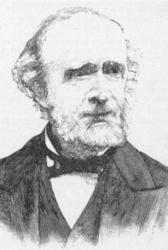
- Author/Writer: Aaron R. Wolfe (1851)
- Added: January 31, 2026
- Last Updated: January 31, 2026
- Views: 309
To view the author's biography, click their name above.
MIDI File
Ready to load
Download MIDI
More Hymns by Aaron R. Wolfe
Popular Hymns
Recent Blog Posts




Popular Blog Posts





Visit Us on Social Media
Latest from X (Twitter)
Tweets by HymnalLibraryLatest from Facebook
Latest on YouTube
Loading latest video...
Daily Bible Verse
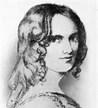
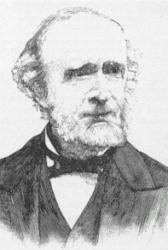 Aaron Robarts Wolfe was a 19th-century Presbyterian educator and hymn writer, born in Mendham, New Jersey, on September 6, 1821. He received his formal education at Williams College, graduating in 1844, before pursuing theological studies at Union Theological Seminary in New York City, which he completed in 1851. On April 9 of that same year, he was formally licensed to preach by the Third Presbytery of New York, marking the beginning of a career that would blend pastoral ministry with a dedication to education.
Disclaimer
The hymns, sheet music, MIDI files, and related content on this website are provided for educational and research purposes only.
- Public Domain: Many of the hymns featured here are in the public domain and may be freely used.
- Copyrighted Works: Some hymns may still be under copyright protection. Where applicable, permission has either been requested from the copyright owner, or the content is shared under the principles of fair use for educational purposes.
⚠️ Important Notice: If you wish to reproduce, distribute, or use any copyrighted hymn beyond personal study or educational use, you must obtain permission directly from the copyright holder. This website does not grant any rights for commercial use yet.
If there is any other question please address it to us in our Contact Page, for further assistance. Thank you for using the site. May God Bless You.