About George W. Cooke
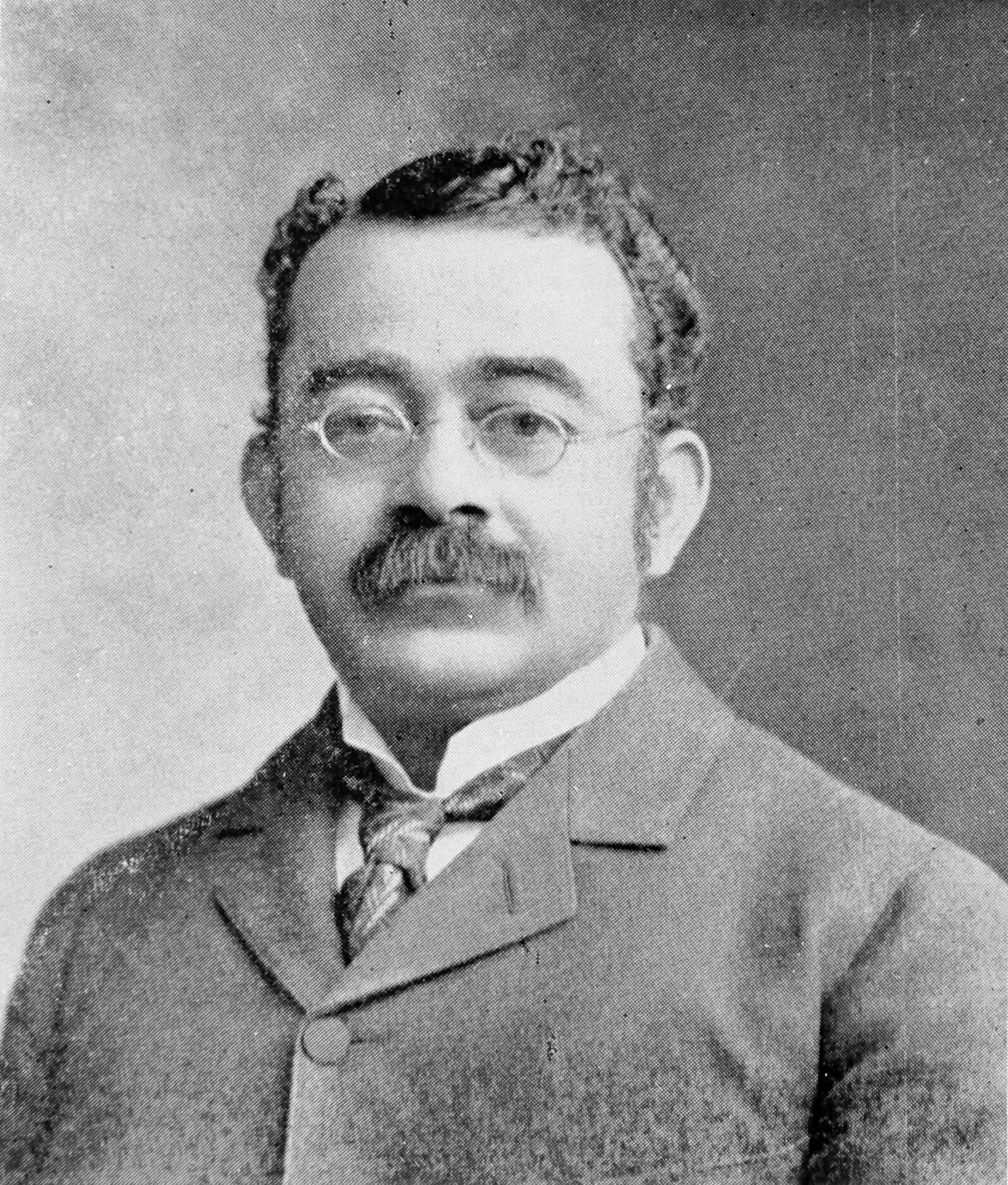
George William Cooke (1884–1951) was a spirited figure in early 20th-century American Methodism, known primarily for his work in gospel revivals and his contribution to the world of "chorus" hymnody. Born in Yorkshire, England, in 1884, Cooke eventually immigrated to the United States, where he dedicated his life to the ministry. By 1926, while residing in Wilmington, Delaware, he began to leave a permanent mark on Christian music, a mark that continues to resonate in Sunday schools and summer camps today.
Cooke was a minister deeply involved in the evangelical movements of the Methodist Church. He was a key leader in the Gospel Crusaders, a group focused on high-energy evangelism and revival meetings. His leadership extended to the Delmarva Camp, a Methodist campground famous for hosting gospel meetings and revivals. These environments, characterized by their fervor and accessibility, were the perfect breeding ground for the simple, catchy, and joyful songs that Cooke favored.
George W. Cooke’s most enduring legacy is undoubtedly the authorship of the lyrics for the world-famous song "Joy in My Heart" (often recognized by the repeated line, "I've got the joy, joy, joy, joy, down in my heart"). Copyrighted in 1926, this song exemplifies the "chorus" style of the era, short, repetitive, and emotionally uplifting.
While many of the more formal hymns of the 1920s were complex theological treatises, Cooke’s work focused on the immediate experience of faith. The song was designed for communal singing, specifically for those attending the revivals and camp meetings he managed. It served as a spiritual "anthem" of happiness that was easy for both children and adults to memorize and sing with conviction. Though the copyright was never renewed, the song entered the public domain and has since become one of the most recognizable pieces of Christian music in the English-speaking world.
Beyond his work as a songwriter and revivalist, Cooke served as a dedicated pastor in the Methodist tradition. His ministry took him across the Northeastern United States, including tenures at churches in:
-
Wilmington, Delaware: His home during his most prolific songwriting years.
-
Buffalo, New York: Where he continued his pastoral leadership.
-
Rochester, New York: Another significant chapter of his New York ministry.
Cooke’s bibliography includes approximately 29 recognized texts, many of which he authored and some which he adapted from other sources. His titles often reflect the themes of his revivalist roots, such as "God's trumpet is sounding, To arms! is the call" and "I would ever walk along the gospel highway." These songs were not merely poems but tools for his ministry—meant to inspire action, conversion, and a sense of Christian duty.
In his later years, George W. Cooke settled in Jamestown, New York, where he passed away in 1951. While he may not have the same academic renown as the great liturgical hymnologists of England, his impact on the "grassroots" of the church was profound. He understood that music could be a gateway to faith for the common person.
His work, researched and documented by historians like Dianne Shapiro and Richard L. Green, reveals a man who was as much an organizer and community leader as he was a musician. Whether he was running the Delmarva Camp or leading a congregation in Rochester, Cooke’s life was defined by the very "joy" he wrote about—a joy he sought to plant "deep in the heart" of everyone he encountered. Today, whenever a group of children or a camp congregation bursts into the familiar lines of his most famous chorus, the spirit of the Gospel Crusaders and the Yorkshire-born minister lives on.