About M. P. Ferguson
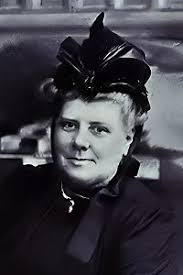
Manie Payne Ferguson was a central figure in the American Holiness Movement and a pioneering social reformer who dedicated her life to urban ministry in Los Angeles. Born in Carlow, Ireland, in 1850, she emigrated to the United States and married Theodore Pollock Ferguson, a former Presbyterian minister, in 1883. Together, they moved to Los Angeles in 1885, where they founded the non-denominational Peniel Mission the following year. The mission was established as a beacon of evangelical outreach and social service, particularly focused on reaching those in the city's urban core through street-corner meetings and nightly services.
The scope of Ferguson's work expanded significantly in 1894 thanks to a major donation from George Studd, which allowed the Peniel Mission to build a 900-seat auditorium and ministry center. During this period, the Fergusons collaborated with influential religious leaders like Phineas Bresee, the future founder of the Church of the Nazarene. When Bresee and other partners departed in 1895 to establish their own denominations, Manie took on the primary leadership role of the mission. She was particularly noted for her work with single women, providing them with safe housing and spiritual community, and she managed the organization's finances with remarkable frugality, relying on income from small rental properties to fund their expansive charitable efforts.
Beyond her administrative and social leadership, Manie Payne Ferguson was a talented poet and hymnist whose work emphasized the presence and power of the Holy Spirit. She is best remembered for her enduring hymn, "Blessed Quietness," written in 1893. The lyrics, "Blessed quietness, holy quietness / What a gladness to my soul!", reflect the Wesleyan-Holiness emphasis on the "inner witness" and spiritual peace. The hymn gained widespread popularity through its inclusion in various holiness and Pentecostal songbooks. Manie continued to lead the Peniel Mission with unwavering resolve after her husband’s death, maintaining its independent status until her own passing in 1932. In 1947, her life's work was integrated into the World Gospel Mission, ensuring that the legacy of the "Peniel" outreach would continue into the modern era.