About Mary Dana Shindler
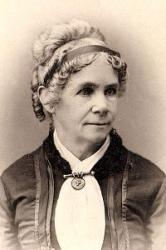
Mary Stanley Bunce Shindler (née Palmer) was a 19th-century American poet and hymn writer whose work was deeply influenced by her personal tragedies and shifting theological journey. Born in Beaufort, South Carolina, in 1810, she was the daughter of a Presbyterian minister. Her life was marked by significant loss; after moving to Iowa with her first husband, Charles E. Dana, in 1838, she suffered the deaths of both her husband and their only child within a single year. These experiences of profound grief became the catalyst for much of her most resonant poetry and song.
Shindler is perhaps best known for her landmark collections, The Southern Harp (1840) and The Northern Harp (1841). These volumes were revolutionary at the time because they set sacred lyrics to popular secular melodies of the day, making them highly accessible for home and social gatherings. Her hymns captured a sense of "heavenly homesickness" and the transience of earthly life, themes that resonated with an American public living in a period of high mortality and westward expansion.
Her most enduring contributions to hymnody include:
-
"I'm a Pilgrim, and I'm a Stranger": Published in 1841, this became one of the most popular hymns of the 19th century. It captures the essence of the "Christian Pilgrim" journeying through a temporary world toward a celestial home.
-
"O Sing to Me of Heaven": A contemplative text that focuses on the joys of the afterlife as a source of comfort for the weary.
-
"Fiercely Came the Tempest Sweeping": A vivid retelling of Christ stilling the storm, demonstrating her ability to handle dramatic biblical narratives.
Shindler's religious life was as varied as her travels. Originally a Presbyterian, she struggled with traditional dogma following her family losses and spent several years as a Unitarian, even publishing a defense of her views titled Letters to Relatives and Friends. However, in her later years, after marrying her second husband, the Reverend Robert D. Shindler, she returned to a more orthodox faith and joined the Protestant Episcopal Church.
She spent her final years in Texas, where her husband served as a professor. Mary Dana Shindler died in 1883, leaving behind a legacy as a writer who bridged the gap between popular culture and sacred music. Her hymns continue to be recognized for their emotional honesty and their ability to articulate the universal human experience of seeking peace amidst the storms of life.