About Sarah Doudney
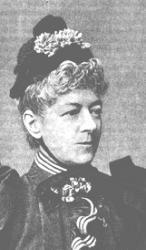
Sarah Doudney (1841–1926) was a highly popular and versatile English novelist, poet, and hymn writer of the late Victorian era. Born near Portsmouth, England, she spent her formative years in a remote, idyllic Hampshire village. This pastoral setting deeply influenced her early creative perspective, cultivating a lifelong appreciation for nature and quiet reflection that became a hallmark of her literary work.
Doudney displayed an extraordinary literary talent at a remarkably young age. When she was only fifteen, she penned "The Lessons of the Water-Mill," a poignant poem reflecting on the passage of time and missed opportunities. Set to music, the piece transformed into an immense, generational song hit, achieving widespread popularity both in Great Britain and across America, where its signature line—"The mill will never grind with the water that is past"—passed directly into common folklore.
To the general reading public of the late nineteenth century, Doudney was primarily celebrated as a successful writer of fiction. She published numerous widely read novels, such as A Woman’s Glory and Stepping Stones, which focused heavily on the moral choices, social resilience, and spiritual lives of women. She was also a prominent, regular contributor of serial stories, essays, and poetry to prestigious religious periodicals of the day, including the Sunday Magazine and Good Words.
While sacred poems and hymns represent the smallest portion of her massive literary output, they are regarded by hymnologists as works of exceptional merit. Because many of her verses were initially published deep within the pages of monthly magazines, her corporate worship texts can occasionally be difficult for historians to trace. However, she curated her finest early devotional verse in her landmark 1871 collection, Psalms of Life.
Doudney possessed a rare gift for writing texts that were structurally gentle yet emotionally resonant, making them exceptionally well-suited for youth collections and evening liturgical services. Her most enduring and widely adapted contributions to Christian hymnody include:
-
"The Master hath come, and He calls us to follow" – First appearing in the Sunday School Union’s Songs of Gladness (1871), this stirring text reframes the narrative of Jesus and Mary of Bethany into an active, personal call to modern Christian discipleship.
-
"Saviour, now the day is ending" – A serene and deeply comforting lyric specifically written to close an evening church service, asking for peace and protection through the coming night.
-
"Lord of the golden harvest" – A bright, celebratory hymn of gratitude published in Psalms of Life, frequently sung during traditional English autumn harvest festivals.
-
"Now the solemn shadows darken" – Featured in Mrs. Carey Brock’s influential Children’s Hymn Book (1881), this text showcases Doudney's mastery of evening imagery, utilizing the changing twilight to guide children into a peaceful state of prayer.
Sarah Doudney passed away in 1926, leaving behind a vast catalog of Victorian fiction and poetry. Though she considered herself a novelist first, her handful of beautifully crafted hymns ensured that her voice continued to echo from church pews long after her stories left the popular printing presses.