
What Is Godliness?
3 days, 9 hours ago
Come, Thou Fount of Every Blessing
Lyrics
1. Come, thou Fount of every blessing;
tune my heart to sing thy grace;
streams of mercy, never ceasing,
call for songs of loudest praise.
Teach me some melodious sonnet,
sung by flaming tongues above;
praise the mount! I’m fixed upon it,
mount of God’s unchanging love!
tune my heart to sing thy grace;
streams of mercy, never ceasing,
call for songs of loudest praise.
Teach me some melodious sonnet,
sung by flaming tongues above;
praise the mount! I’m fixed upon it,
mount of God’s unchanging love!
2. Here I raise my Ebenezer;
hither by thy help I’m come;
and I hope, by thy good pleasure,
safely to arrive at home.
Jesus sought me when a stranger,
wandering from the fold of God;
he, to rescue me from danger,
interposed his precious blood.
hither by thy help I’m come;
and I hope, by thy good pleasure,
safely to arrive at home.
Jesus sought me when a stranger,
wandering from the fold of God;
he, to rescue me from danger,
interposed his precious blood.
3. O to grace how great a debtor
daily I’m constrained to be!
Let that grace now, like a fetter,
bind my wandering heart to thee.
Prone to wander, Lord, I feel it,
prone to leave the God I love;
here’s my heart; O take and seal it;
seal it for thy courts above.
daily I’m constrained to be!
Let that grace now, like a fetter,
bind my wandering heart to thee.
Prone to wander, Lord, I feel it,
prone to leave the God I love;
here’s my heart; O take and seal it;
seal it for thy courts above.
Bible Reference
Isaiah 25:1
About This Hymn
"O Lord, Thou art my God; I will exalt Thee, I will praise Thy name; for Thou hast done wonderful things; Thy counsels of old are faithfulness and truth." — Isaiah 25:1 (KJV)
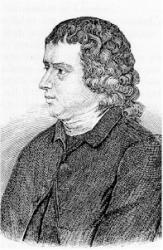
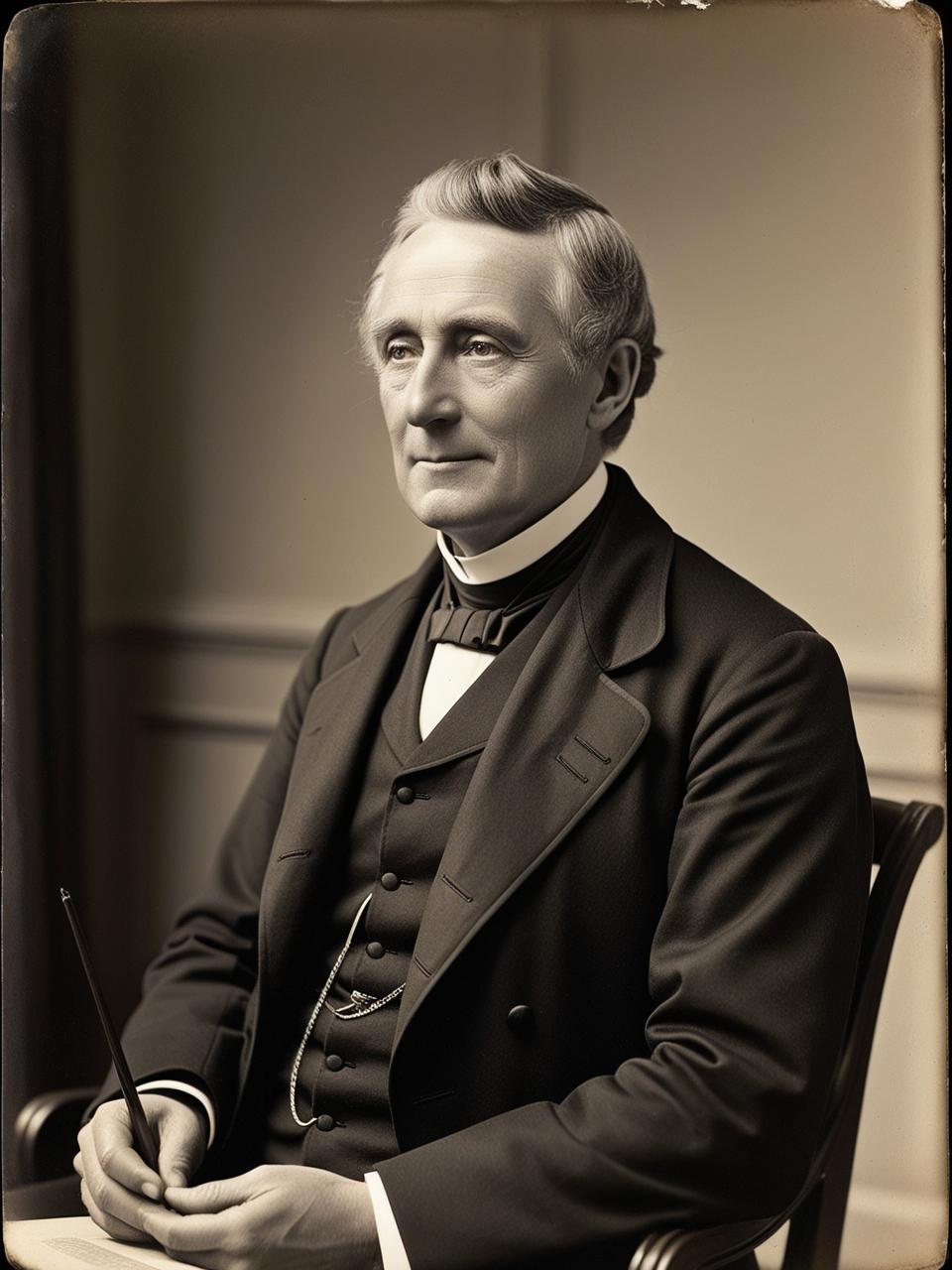
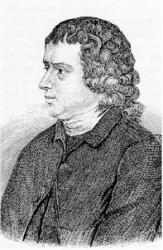
Robert Robinson, the author of the well-loved hymn Come, Thou Fount of Every Blessing, was born into humble circumstances in Swaffham, Norfolk, England, on September 27, 1735. After the death of his father when he was just eight years old, young Robert was sent by his mother to London at the age of fourteen to apprentice as a barber. There, far from home and guidance, he fell in with a rough crowd and lived a reckless and immoral life. At the age of seventeen, he and his gang attended an evangelistic meeting where George Whitefield was preaching—originally intending to mock the so-called “deluded Methodists.” But Whitefield’s fervent gospel message pierced Robinson’s heart. Deeply moved, he experienced a sincere conversion and, in time, responded to a call to ministry. He initially served in the Methodist Church but later joined the Baptists when he moved to Cambridge, where he pastored a congregation and became recognized as a thoughtful theologian and writer of hymns and theological works.
Robinson penned Come, Thou Fount of Every Blessing at the young age of twenty-three. The hymn reflects the spiritual maturity and gratitude of a heart deeply transformed by grace. One notable phrase in the second stanza, "Here I raise mine Ebenezer—Hither by Thy help I’m come," refers to 1 Samuel 7:12, where the prophet Samuel erects a stone called “Ebenezer,” meaning “stone of help,” as a memorial of God’s faithfulness. Another memorable line in the third stanza, “Prone to wander, Lord, I feel it, Prone to leave the God I love,” reveals a profound self-awareness and humility. Tragically, this line also seems to foreshadow Robinson’s own later struggles. In his later years, his faith wavered, and he reportedly drifted into theological confusion and flirted with Unitarian beliefs—leaving behind the strong doctrinal convictions of his earlier ministry.
A touching anecdote from his later life illustrates the lasting impact of his hymn and the personal regret he felt over his spiritual decline. As the story goes, Robinson was traveling by stagecoach when he encountered a woman quietly reading from a hymnbook. She began to hum a tune and asked Robinson what he thought of the hymn she was singing. Upon realizing it was his own hymn, Come, Thou Fount of Every Blessing, he was deeply moved and replied, “Madam, I am the poor unhappy man who wrote that hymn many years ago, and I would give a thousand worlds, if I had them, to enjoy the feelings I had then.”
The tune most commonly associated with this hymn, known as Nettleton, was named after Rev. Asahel Nettleton, an American evangelist active during the early 19th century. The melody itself was composed by John Wyeth, a printer and lay musician born in Cambridge, Massachusetts, on March 31, 1770. Wyeth included the hymn in his influential hymnal, Wyeth’s Repository of Sacred Music, published in 1813. While Nettleton remains the most enduring musical setting, Come, Thou Fount can also be paired with other tunes written in the same 87.87 doubled meter, allowing for varied expression across different worship traditions. Despite the turbulence in Robert Robinson’s spiritual journey, his hymn continues to bless countless believers with its rich theology, heartfelt confession, and longing for divine grace.
From the Dictionary of Hymnology
Related terms and concepts automatically matched to this hymn.
Adams, Sarah History
Biographical entry for Sarah Adams (1805–1848), nee Flower, English Unitarian hymn writer best known as the author of "Nearer, my God, to Thee."
Read moreAddiscott, Henry History
Biographical entry for Henry Addiscott (1806–1860), English Congregational minister and author of the hymn "And is there, Lord, a cross for me."
Read moreA good High Priest is come History
John Cennick's 1744 hymn on the priesthood of Christ, compiled by George Whitefield and John Rippon for widespread use.
Read more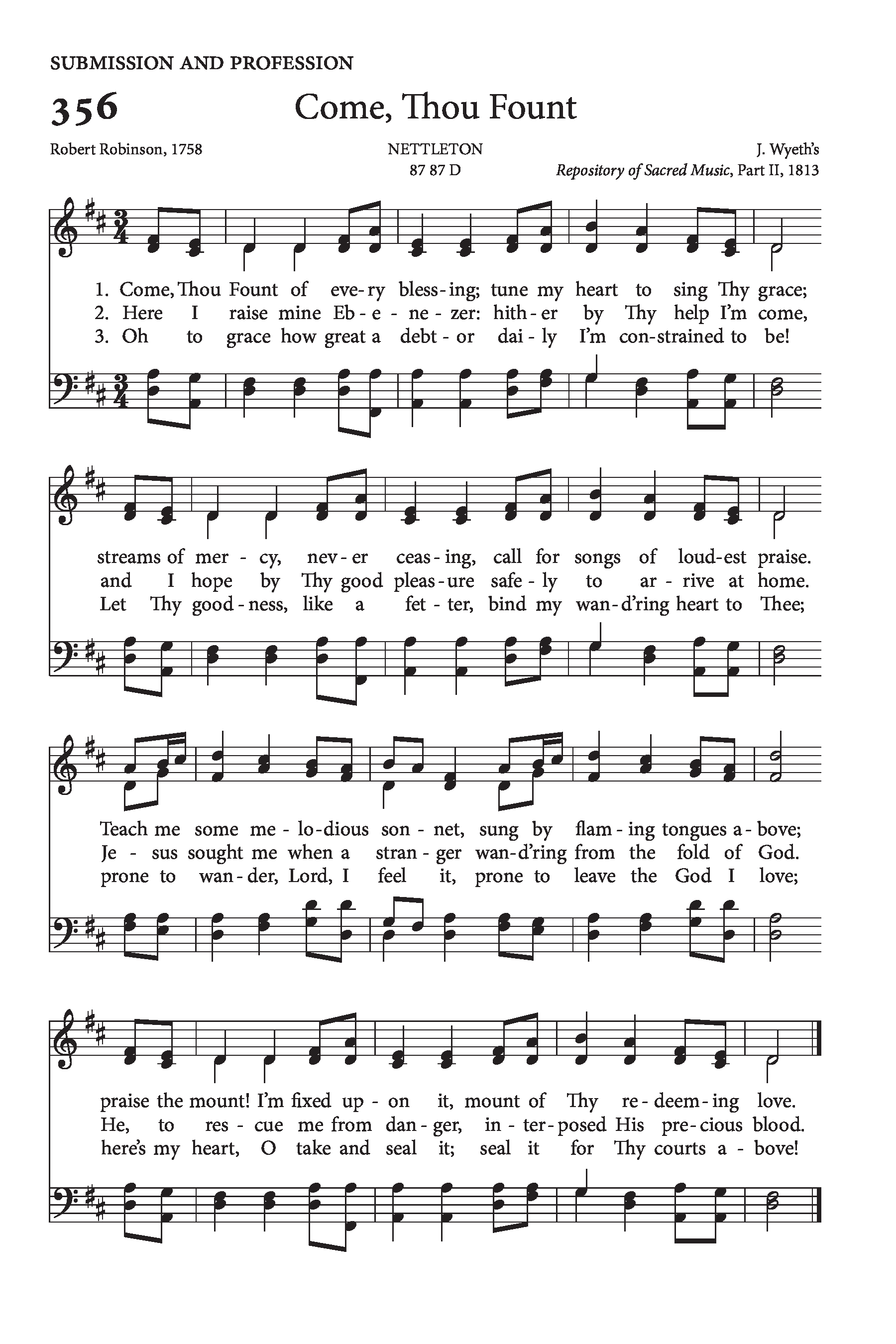

📬 Subscribe to Our Devotional Updates
Receive weekly hymns, devotionals, and website features directly in your inbox.
✅ Thank you! You'll start receiving our updates soon.
⭐ Recommend This Hymn
Share this beautiful hymn with others
This hymn is found in these hymnals
Hymns with the same subject
More hymns about Anniversary, Blessing, Blood of Christ
- Grace Greater than Our Sin — Julia H. Johnston
- Lord, I Hear Of Show'rs Of Blessing — Elizabeth Codner
- Wake the Song — William F. Sherwin
- How Deep the Father's Love for Us — Stuart Townend
- In the Garden — C. Austin Miles
- The Old Rugged Cross — George Bennard
- Count Your Blessings — Johnson Oatman, Jr.
- Great Is Thy Faithfulness — Thomas O. Chisholm
More hymn subjects
Explore other themes across the library.
Hymns about New Birth
Hymns about Joy
Hymns about Commitment
Hymns about New Year
Hymns about Holiness of God
Hymns about Healing
Hymns about Teaching of Christ
Hymns about Harvest
Browse all subjects →
Recently Added Hymns
-
 Let All Together Praise Our GodNikolaus Herman 1560
 -
 Holy, Holy, Holy, Lord, God of hosts, Eternal KingChristopher Wordsworth 1862
 -
 Hail, Redeemer, King DivinePatrick Brennan 1856
 -
 Father, We Thank Thee, Who Hast PlantedBland Tucker 1939
 -
 Father, See Thy Children Bending at Thy ThroneWilliam B. Trevelyan 1906
Latest Updated Hymnals
-
Open
 The People's HymnalUpdated 1 week, 1 day ago · 1961
 -
Open
 Book of Common Praise (BoCP1915)Updated 2 months, 1 week ago · 1915
 -
Open
 Our Great Redeemer's PraiseUpdated 4 months, 1 week ago · 2022
 -
Open
 The Parish Hymnal (1873)Updated 4 months, 1 week ago · 1873
 -
Open
 Book of Common Praise (BCP1998)Updated 4 months, 3 weeks ago · 1998
Hymn Information
To view the author's biography, click their name above.
MIDI File
Ready to load
Download MIDI
More Hymns by Robert Robinson
Hymns from 1758
Popular Hymns
Recent Blog Posts


Popular Blog Posts
-
 Lessons from the Book of Haggai: Putting God…3 months, 3 weeks ago
 -
 Easter vs Passover: How a Biblical Feast Bec…5 months, 3 weeks ago
 -
 The Full Story of the Birth of Jesus Christ:…9 months, 2 weeks ago
 -
 The 30 Most Famous Christmas Hymns and Carols1 year ago
 -
 The Story Behind the Hymn “Amazing Grace”9 months, 1 week ago
Visit Us on Social Media
Latest from X (Twitter)
Tweets by HymnalLibraryLatest from Facebook
Latest on YouTube
Loading latest video...
Daily Bible Verse
Disclaimer
The hymns, sheet music, MIDI files, and related content on this website are provided for educational and research purposes only.
- Public Domain: Many of the hymns featured here are in the public domain and may be freely used.
- Copyrighted Works: Some hymns may still be under copyright protection. Where applicable, permission has either been requested from the copyright owner, or the content is shared under the principles of fair use for educational purposes.
⚠️ Important Notice: If you wish to reproduce, distribute, or use any copyrighted hymn beyond personal study or educational use, you must obtain permission directly from the copyright holder. This website does not grant any rights for commercial use yet.
If there is any other question please address it to us in our Contact Page, for further assistance. Thank you for using the site. May God Bless You.
Recently Added · Dictionary of Hymnology
Browse dictionary →- Jonathan Bush Atchinson 5 days, 7 hours ago · Biography 54
- At Thy transfiguration, Lord 5 days, 7 hours ago · Hymnology 53
- At Thy Feet, our God and Father 5 days, 7 hours ago · Hymnology 52
- At Thy feet, O Christ, we lay 5 days, 7 hours ago · Hymnology 48
- At Thy command, our dearest Lord 5 days, 7 hours ago · Hymnology 53