About Harry Dixon Loes
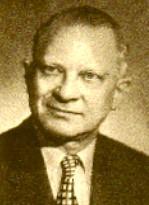
Harry Dixon Loes (1892–1965) was a cornerstone of mid-20th-century gospel music, serving as a prolific composer, lyricist, and educator. Born in Kalamazoo, Michigan, he originally held the name Harold Loes but adopted "Dixon" as a middle name to honor A. C. Dixon, a prominent pastor at Moody Church. This connection to Moody would define his career; after graduating as a student, he spent over twelve years in evangelistic work and music ministry before joining the music faculty at Moody Bible Institute in 1939. He remained a beloved teacher there until his death, shaping the musical training of a generation of Christian workers.
Loes was incredibly industrious, credited with writing the lyrics for approximately 1,500 gospel songs and composing the music for 3,000 tunes. He often worked under pseudonyms such as "Deal" or "Bartells" to manage his massive output. His work was characterized by an ability to translate powerful sermons into singable, memorable melodies. A prime example occurred in 1915 after hearing Paul Rader preach on the sufficiency of Christ; Loes immediately wrote the words and music for "All That I Want Is in Jesus," which became a staple for youth groups and congregations seeking a joyful expression of faith.
Perhaps his most famous musical contribution came through a collaboration with Avis Christiansen. After hearing a sermon on the atonement, Loes composed a melody he titled "Blessed Redeemer." He sent the tune to Christiansen, who provided the now-famous lyrics: "Up calvary’s mountain one dreadful morn..." The hymn, published in 1920, remains one of the most poignant and widely sung meditations on the crucifixion in the gospel tradition.
Though his name is often associated with these deep, theological hymns, Loes is also widely credited with the composition of the popular children's chorus "This Little Light of Mine." His gift for creating simple, infectious rhythms allowed his music to transcend age groups, making him as effective in the Sunday school classroom as he was in the revival tent. Throughout his life, Loes maintained that the primary purpose of music was to satisfy the heart and supply joy, a philosophy that is evident in the thousands of melodies he left behind.